Time
Hacks and how-to guides to make life easier.

In this time of necessary social distancing, we now have more time than ever at home. One way to help maintain sanity is to finally organize your space, just the way you want it! We went to NEAT Method, the organization experts, for their tips on cleaning out and organizing your closet.

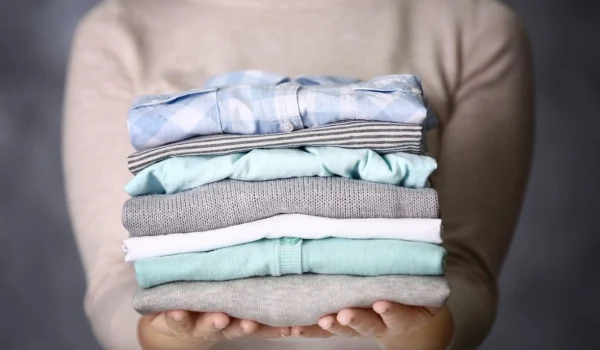
When your clothes come back from the dry cleaners, it shouldn’t feel like a chore to put them away. At NEAT Method, we’ve worked in all types of different closets; from spacious walk-ins to shared reach-ins. What works for a large closet, doesn’t always translate to a small one, so we’re weighing in on organizing your newly laundered clothing in a closet of any size!
1. Typecast
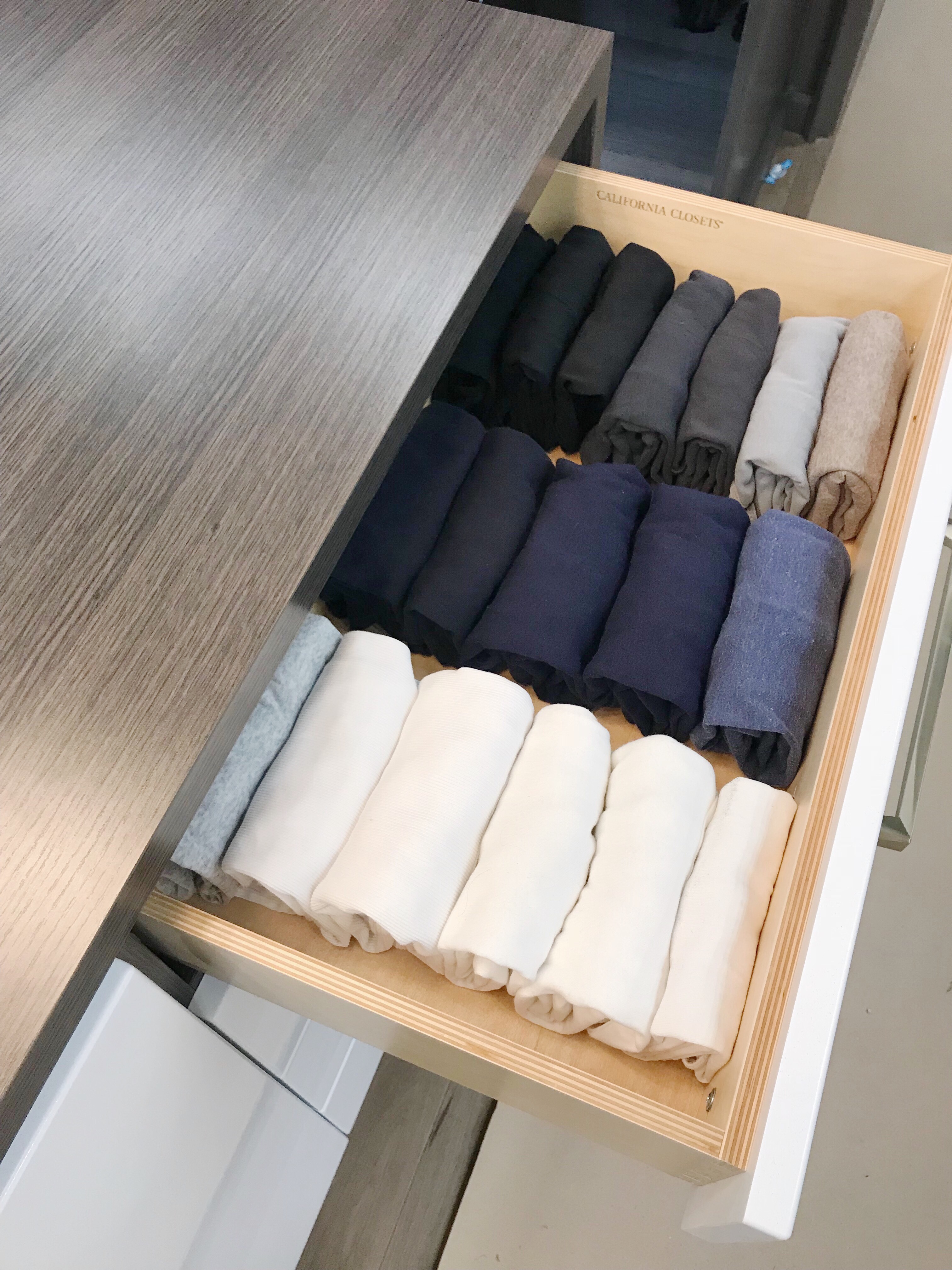
Categorizing your clothing by type is the first step to getting your closet organized. Not only will it help visualize where you might have unnecessary duplicates, but it will also keep pieces from getting lost and forgotten.
2. Less is More
Editing your wardrobe is important for keeping any size closet streamlined, but it’s especially important for small spaces. Consider your available space before ruthlessly editing. Sell or donate pieces you no longer wear and repair anything that’s in need of a little extra love.
3. Color Code
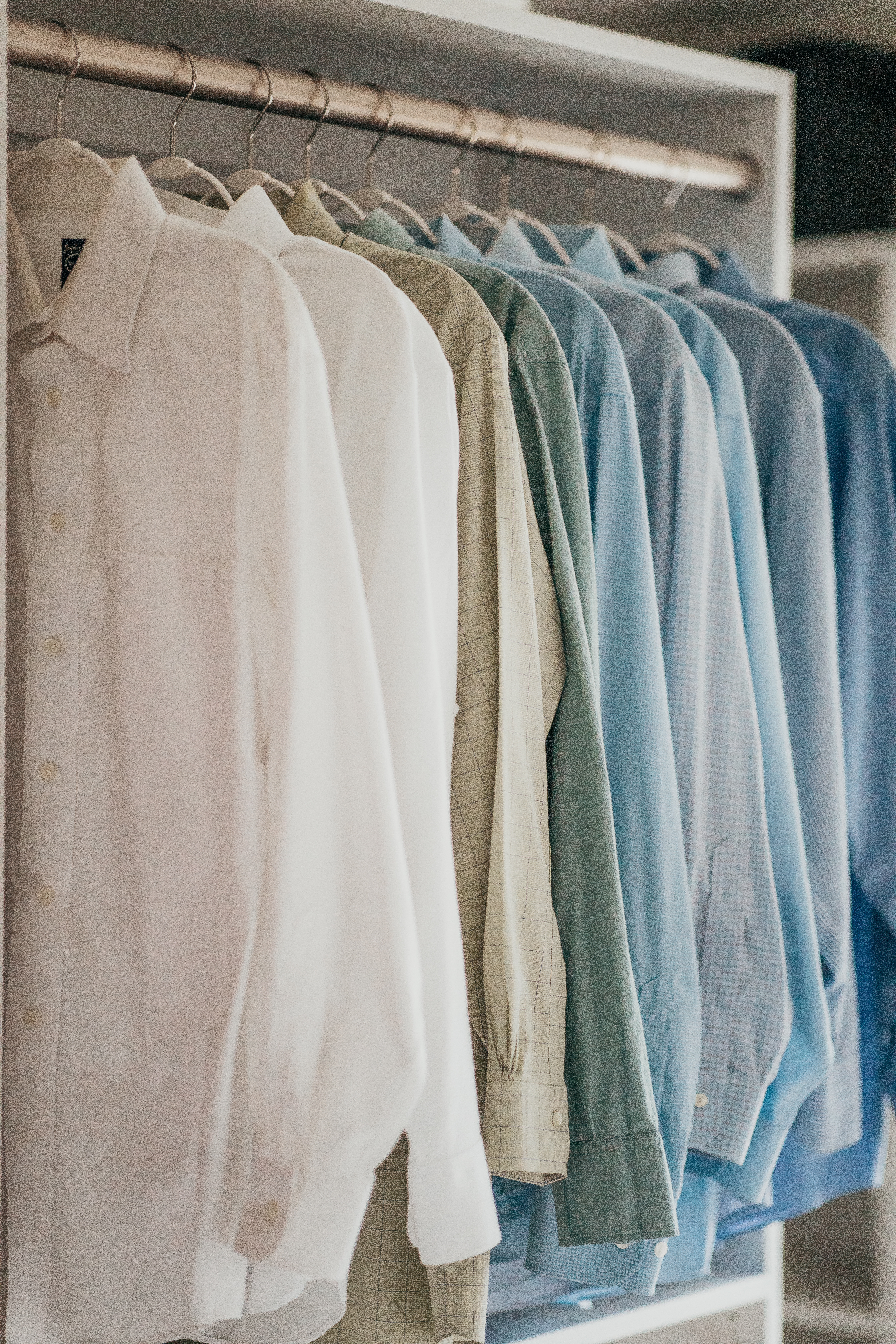
Color plays a huge role when putting together an outfit every day. Sort each category by color to make outfit planning a breeze and add visual appeal to your closet. Take it a step further by arranging the colors in rainbow order.
4. Get Slim
Wooden hangers are big and bulky, plastic hangers bend and break and flimsy wire hangers should be returned to your dry cleaner. Switch to space saving velvet slimline hangers to elevate the look of your closet and prevent clothes from falling to the floor.
5. Think Vertical
Make use of forgotten vertical space by adding additional shelving as necessary for shoes, folded clothes or accessories. Don’t be afraid to embrace white space in areas where you don’t need the storage.
An organized closet not only makes putting your clothes away simpler, but it makes getting dressed easier too. Once you put these tips in place, you’ll breathe easy knowing your closet is well arranged and clutter free.
NEAT Method is a luxury professional home organizing service with markets in major cities across the US and Canada. Their trained organizers transform thousands of homes from chaos to composed for an array of clientele.

Wondering how to best store your "nostalgic linens" like grandma's quilt or a lucky jersey from way back? Brian Yetwin, one of LA’s best celebrity organization experts, shares his guide to properly store your treasured items so they stay in great shape for the long term.
Ever wondered how you should be storing your “nostalgic linens”? (Think heirloom quilts, special jerseys, etc.) We went to Brian Yetwin from Get Organized LA, one of LA’s best celebrity organization experts, to learn exactly how to properly store all those treasured linens that just can’t be parted with.
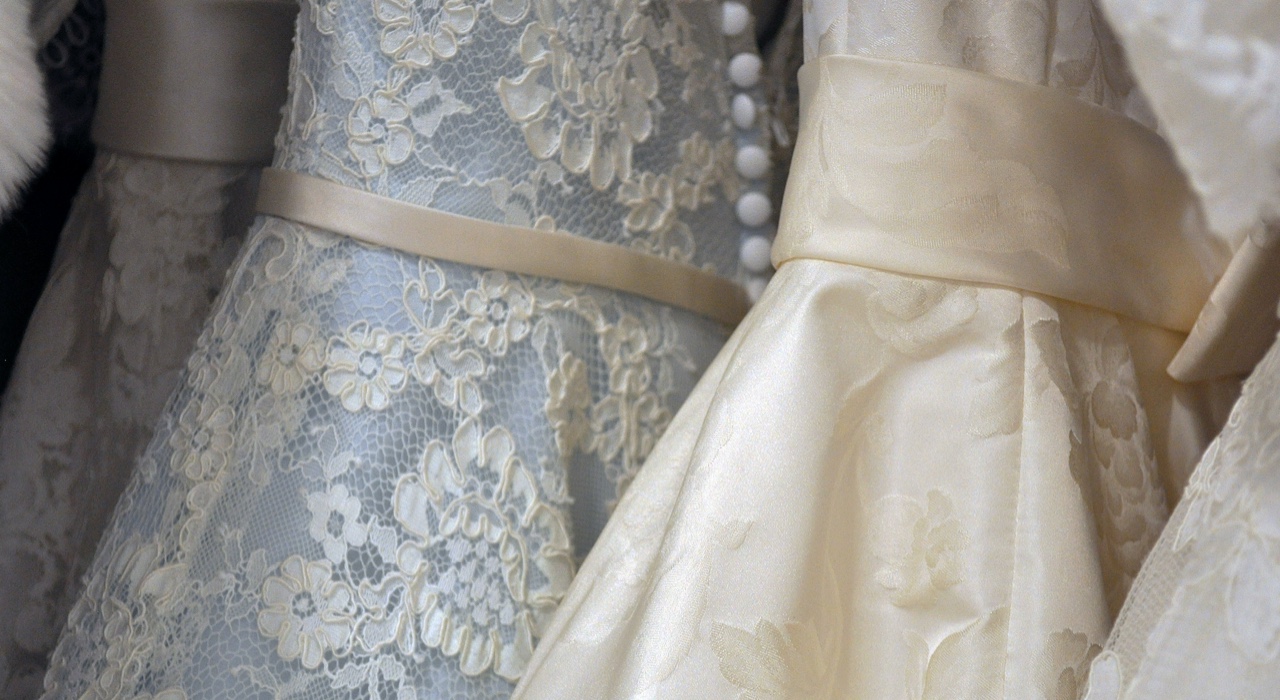
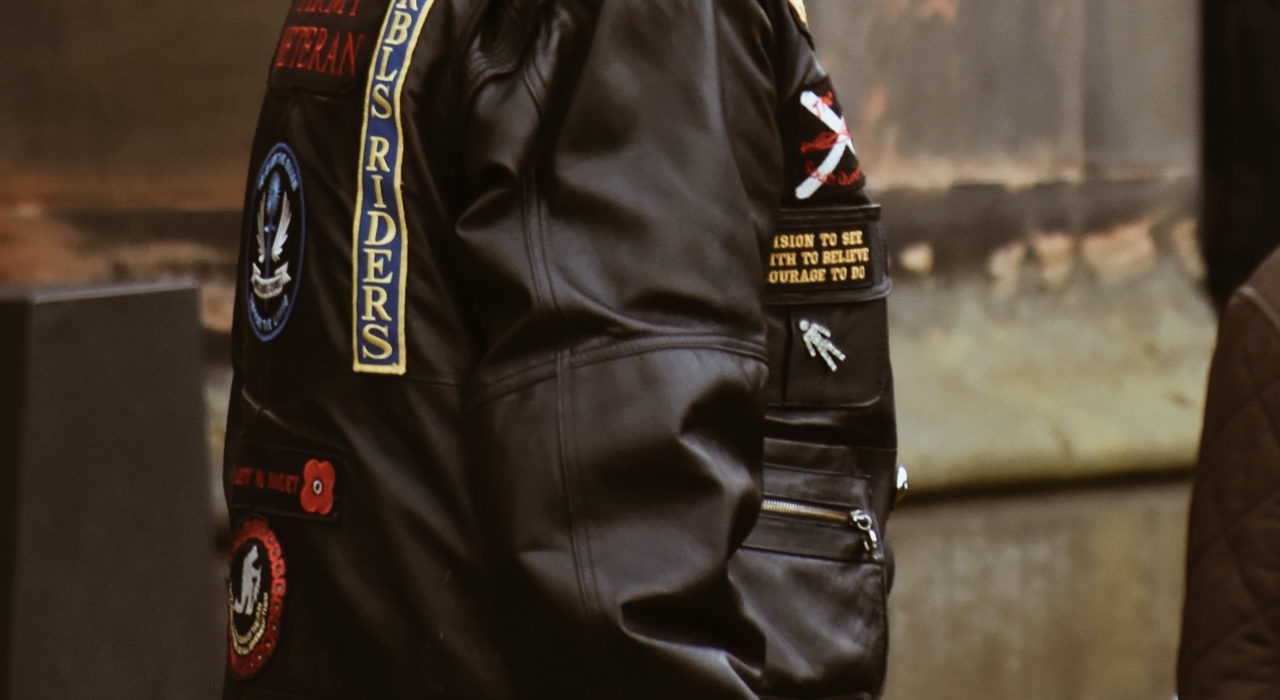
Nostalgia and memorabilia comes in many forms, including textiles. I’ve seen it all from wedding dresses, grandma’s quilts, armed force uniforms, jerseys, grandpa’s pocket squares, onesies, and even lucky socks from the 1984 Olympics!
When editing and organizing general memorabilia, treasured fabrics are typically found crammed into boxes or used to cushion fragile items. It’s time to give those special foldables the respect they deserve.
Make sure the items are clean, clean, clean!
Get those linens, fabrics, and clothes laundered or dry cleaned. It’s important to properly clean your cherished items before storing them (even if they don’t look dirty), because untreated stains can set in over time and dust/sweat will attract pests that can harm the items.
1.) The importance of removing all stains:
The most dangerous stains are those that dry clear. A white wine stain for example will be invisible for the first couple months but over time the oxidation process will turn that stain to a terrible yellow or brown that even the best cleaner won’t be able to remove.
2.) The importance of removing dust:
Dust can not only attract little critters you’d prefer sayed out of your prized memories, but the dust itself can also slowly cut fibers through friction.
Plastic bins are your friend
When finding a permanent home to store your textiles, use air-tight bins to keep dust and moisture out. Store textiles flat, padding at the points of folds with washed, unused linens like old pillow cases. Antique textiles should stay away from regular tissue as most paper tends to be acidic and can damage your textiles.
Store in a cool, dry place
Now that you’ve properly cleaned and packed your treasured linens, store them in a cool dry place. Moisture is no friend to fabrics over time because it can lead to mold and mildew -- not ideal. Direct light can also be damaging to fabrics, fading them and slowly degrading their fibers. For long-term storage, consider storing these items in the back of the closet or under the bed.
PRO TIP – When storing wedding dresses, use professionals who specifically deal with dresses from that special day. A wedding dress preservationist is different from a typical dry cleaner. They will not only clean your gown but return it in a vacuum sealed bag or box where all of the oxygen has been sucked out and replaced with nitrogen. This extra step is important because it prevents the aging/discoloration that comes from oxidation, which can happen to clothes that have been stored for several years.
That’s it! You’ve smartly preserved your special linens and textiles so you can revisit and share those memories with your loved ones in the future!

Is your closet in need of a serious makeover? Brian Yetwin, one of LA’s best celebrity organization experts, shares how you can organize your closet the right way!
As #laundrynerds, Rinse loves all things clothes – including learning how to perfectly organize and store them in your closet. That’s why we went to Brian Yetwin from Get Organized LA, one of LA’s best celebrity organization experts, to get the scoop on how to organize your closet the A-List way.
Hi Everyone - I'm excited to work with Rinse to help you get ready for Spring Cleaning!
First things first – congratulations on deciding to organize your closet. I know it can be daunting but I like to break down a closet revamp into five simple steps to make things easy. The result is an organized closet that’s a breeze to maintain.
- Empty the Closet: Tighten your laces because I’m about to knock your perfectly laundered socks off. The average person only wears 20% of their clothes 80% of the time. To reach organizational bliss, we have to start by getting an inventory of your clothes by emptying your closet and piling into categories. Pile like with like – one of the goals is to see just how many pairs of skinny jeans you need.
- Purge: Clothes, shoes, bags, and accessory storage is in high demand, so if an item hasn’t been worn or used in the last year, if it’s out of style, or if it doesn’t fit, it’s time to donate or recycle.
- Organize: Hang or fold everything by type, color, and season. Do you spend most days in T-shirts? Lucky you! You get to put your T’s front and center. Items you don’t wear as much, but still need or love, should go on higher shelves. I’m looking at you chunky sweaters.
- Maintain: Now here’s a maintenance no-brainer: Set out your Rinse bags for laundry, dry cleaning, and donations. If you have hanging space galore, have Rinse send it back to you on hangers. More shelves in your closet? Rinse can fold your shirts, sweatshirts, or denim for your own fancy jean bar.
Remember this while organizing your closet - clutter comes with a price. The more stuff we have the more our stuff demands of us. It’s time to focus on what will be gained by shedding clutter. Now go reclaim your closet!
Pro Tip - Ladies
A lot of my gal clients have had a lot of success pulling a friend into the mix for a closet runway show for two. Nothing helps you make fashion decisions faster than a bff without a filter.
Pro Tip – Fellas
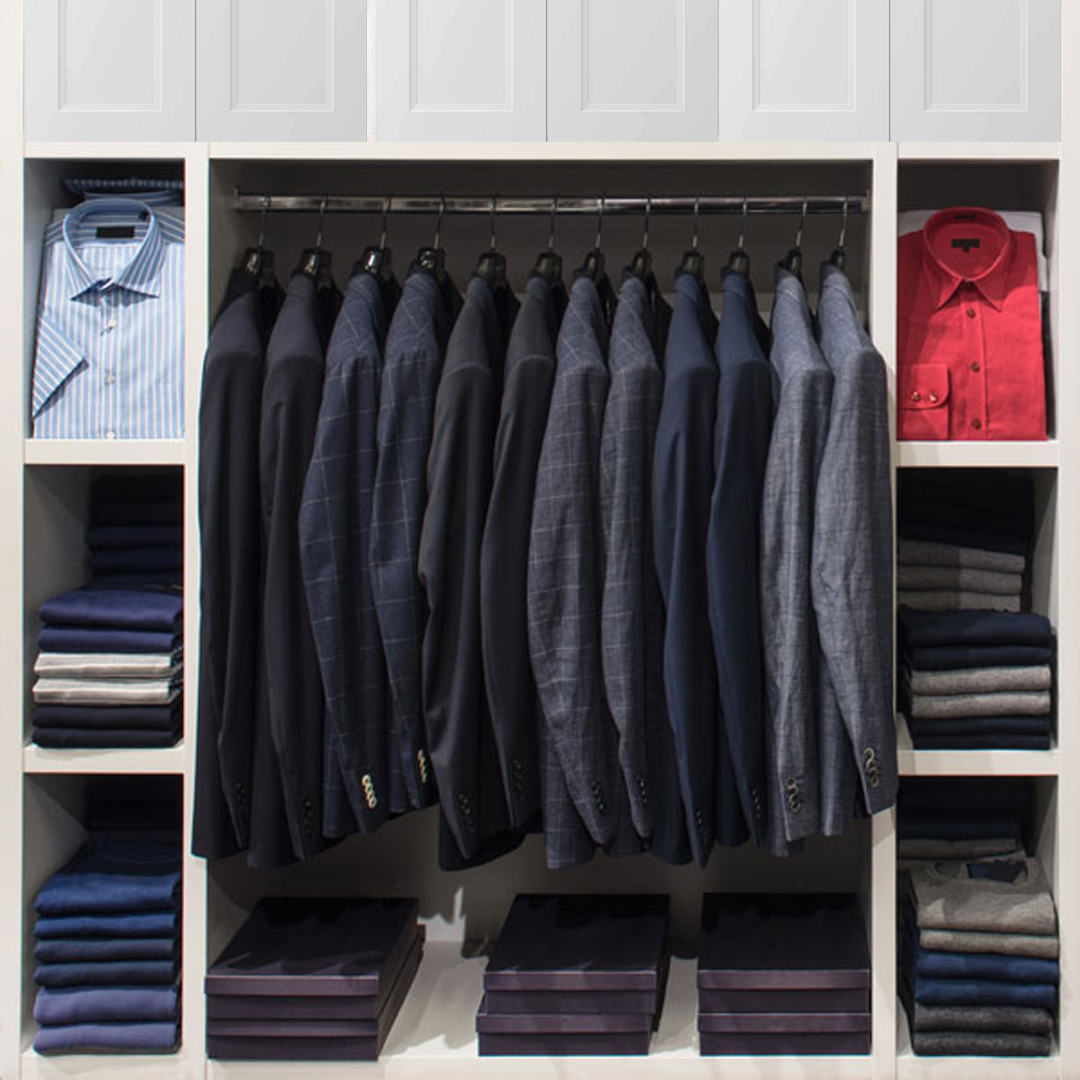
Now that you’ve curated your polos and short sleeve collared shirts, let’s make you feel as good as your closet looks. To avoid shoulder spikes from hangers, let Rinse fold your polos. You can get that retail store look in your closet and folding them is perfect for jet-setting – they pack well and the plastic keeps the shirts wrinkle free!
Pro Tip – Kiddos
Kids clothes are small, no eureka moment there. That means there’s space underneath the hang rods for additional shelves or drawers. Unlike adult clothes, you want to keep kids’ clothes low and easy to retrieve. In my business, I’ve found kids are teachable and want to stay organized because less physical clutter means less mental clutter, and that’s a win for growing brains.

Struggling to make more room in your closet? Learn how to better organize your closet space with our tips, below.
We’ve all seen those Pinterest-worthy images of neatly organized closets with racks upon racks of crisp, clean shirts and folded sweaters, all properly arranged by color or item. Meanwhile, our own closets appear much less impressive, with piles of mismatched clothes that make it tough to sort through. Fear not—you can make your closet dreams a reality by using these must-have closet organizers to properly store your clothes.
Hanging closet organizer
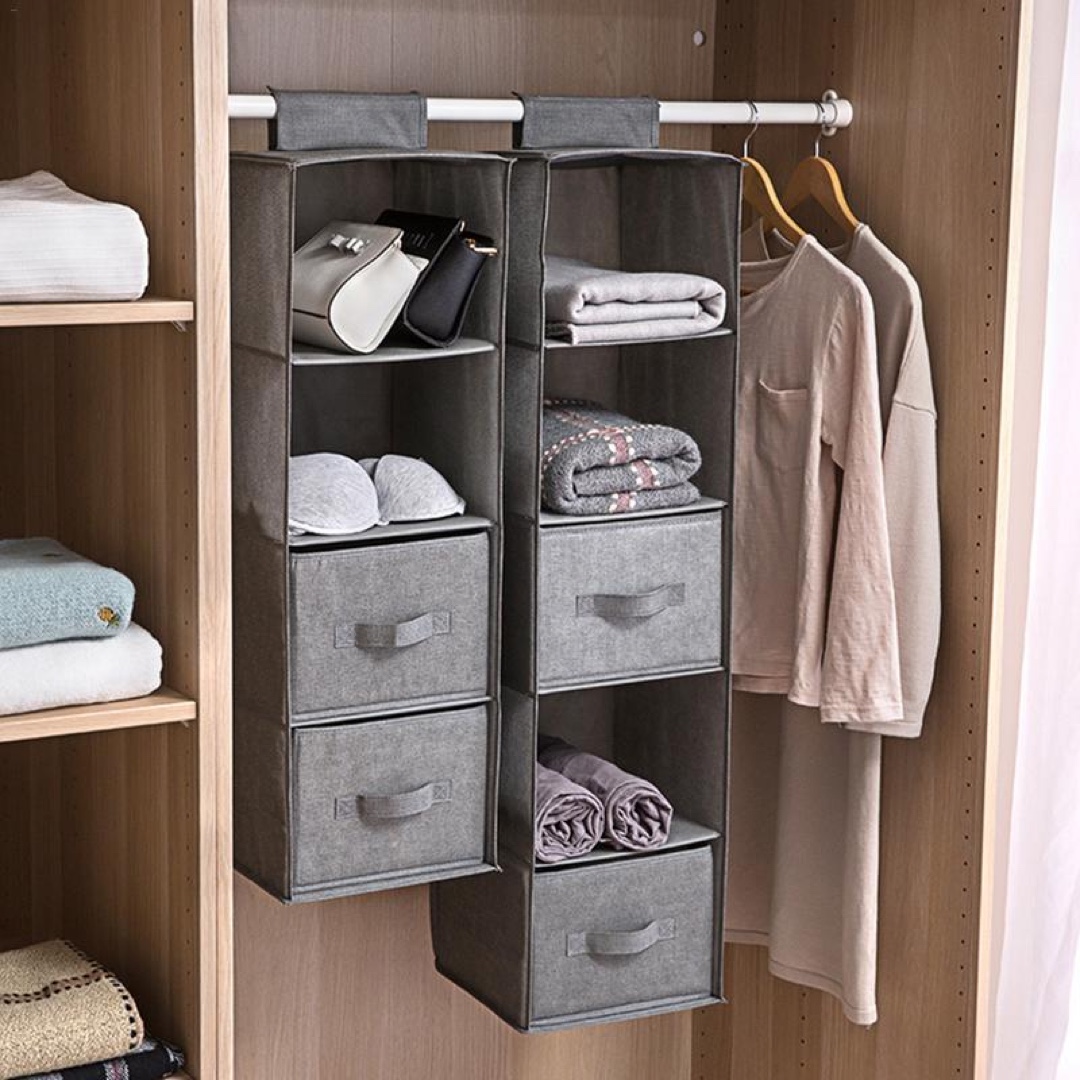
Use the extra vertical space in your closet and maximize the storage potential by hanging a closet organizer made of sturdy cotton or canvas. The organizer’s compartments create more shelving in your closet; they’re ideal for storing shoes and folded T-shirts, sweaters and pants.
Storage ottoman
A sneaky and smart way to store your clothes, the storage ottoman is not only functional but also super stylish when placed at the foot of your bed. You can use it for extra linens or next season’s clothing—with the latter safely tucked away, you won’t have to worry about preparing new seasonally appropriate outfits once the weather changes.
Drawer organizer
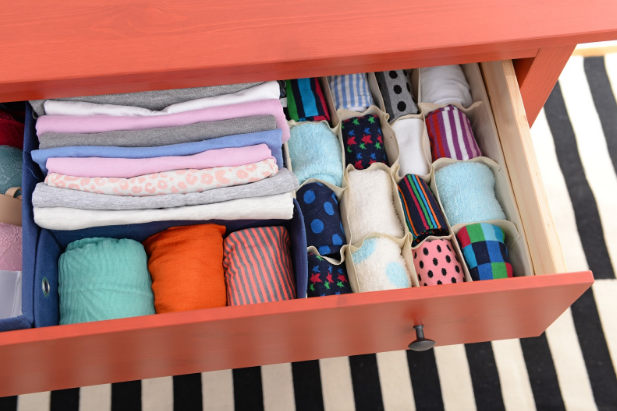
Keep your drawers neat and tidy by using drawer organizers to compartmentalize small folded items like socks, bras and underwear. The KonMari folding technique will help you take greater advantage of the limited space.
Accessories hanger
It can get pretty annoying when you’re rummaging through your closet for your favorite scarf or belt, only to come up empty. Use an accessories hanger, which has hooks or loops, to weave your scarves, belts and ties through. For jewelry, an accessories hanger with clear pockets will make it easy for you to store and see all your bracelets, necklaces, earrings or watches.
Clear modular storage bins
If you have extra overhead shelving in your closet, clear modular storage bins are a great way to store and display hats, handbags or special occasion shoes. They can be stacked and fitted together in different permutations, making them a versatile organization method for your items.
Shoe rack

Keep your everyday shoes tidy by stacking them on a shoe rack inside your closet. If closet space is limited, consider an over-the-door hanging shoe rack, which fits over your closet door with individual compartments large enough to store all the shoes in your prized collection.
Collapsible laundry basket
Savvy closet organization involves making a clear distinction between clean and dirty clothes. A collapsible laundry basket can be quickly folded and tucked inside a closet when not in use. What’s even better is a laundry basket with divided compartments that you can use to sort light and dark laundry items. Maximize the storage capabilities in your closet by using these closet organization must-haves. Your clothes will be neatly stored and most importantly, easy to find so you can put together a stylish outfit without having to dig for your favorite jacket or scarf.
Lastly, you can keep your closet space organized by donating any unused clohting to your local charity. Click here to learn more about Rinse's clothing donation efforts or to schedule a Rinse clothes donation pickup.
Photos: All About Space / Shutterstock.com, Local studio / Shutterstock.com, Africa Studio / Shutterstock.com, Iulian Valentin / Shutterstock.com

Following care labels and properly caring for your clothes has long-term benefits. Learn how dry cleaning can actually save you money.
People are often reluctant to dry clean their clothing because it is more expensive than traditional laundry, but a professional cleaning service can be a great investment for your lifestyle and closet that saves you money in the long run. Consider these three cost-effective conveniences the next time you're headed to the laundromat.
It helps your polished pieces last longer

While there are items that you can take care of at home, certain upscale pieces such as your silk dress or structured wool blazer are best left in the care of a professional dry cleaner. Pieces that aren’t properly cleaned before being put away can carry undetectable odors that attract insects and moths. These pests can eat certain fabrics, including wool, cashmere, silk and cotton, gradually ruining your favourite items. Sensitive fabrics may also fade in color or stretch in shape in a washing machine or dryer. By using a professional cleaning service, your pieces will last much longer so you won't have to replace them as often, ultimately saving you money.
Care tip: Familiarize yourself with different fabrics and the appropriate treatment for each material. For instance, cashmere can often be hand washed with a gentle laundry soap. Before doing so, it's always good to double check the clothing label to see if hand washing is appropriate. Other fabrics like silk require professional dry cleaning. Our guide on which pieces can be dry cleaned provides an in-depth breakdown.
It can treat stubborn stains
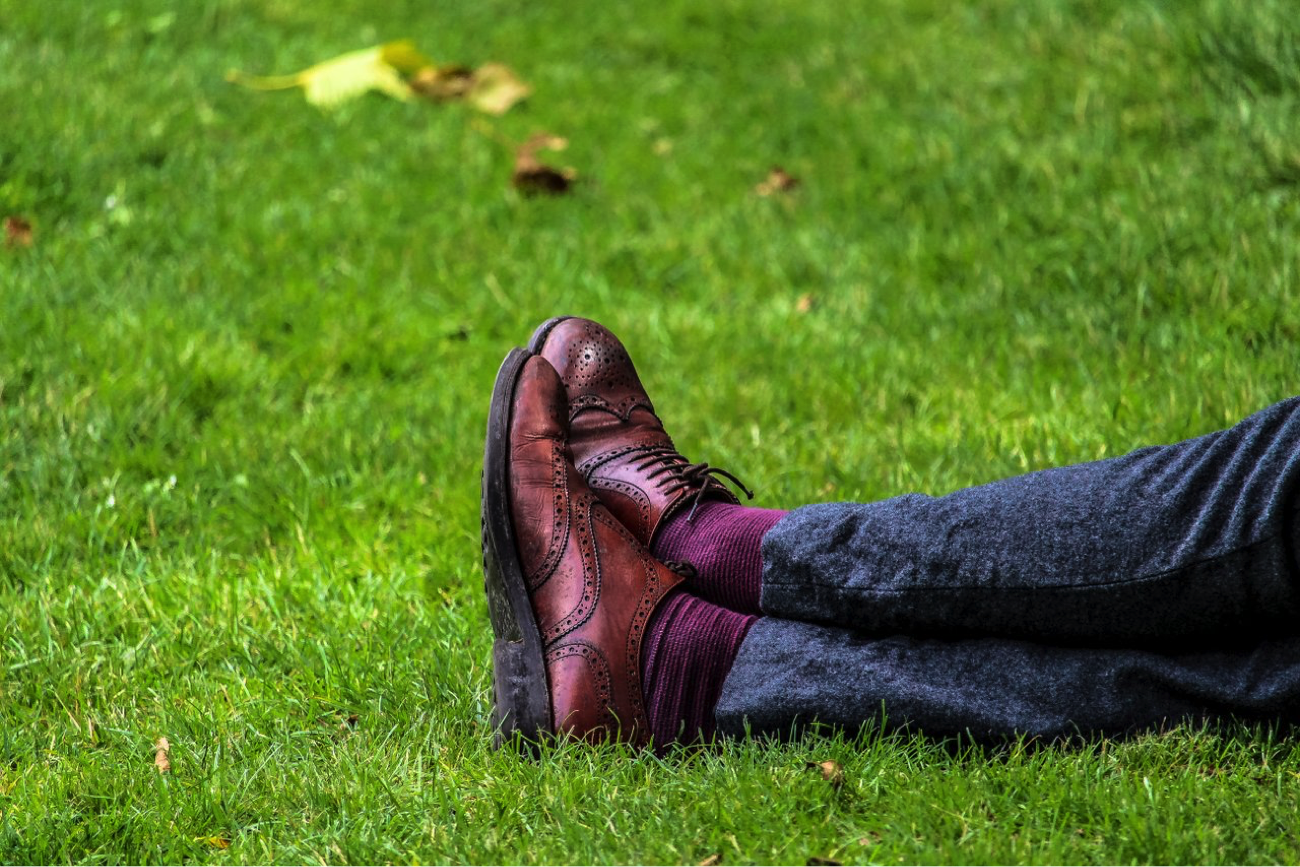
Besides helping your pieces maintain their color and shape, dry cleaning can help treat stubborn stains like grass, which you might not be able to remove using traditional laundry means. A professional service might be able to salvage your favorite sweater or slacks so you don't waste money on different detergents or DIY treatments just to end up with a slightly faded but still visible mark. Furthermore, if you don't pre-treat stains or if you use the wrong cleaning agent, you might actually cause further damage to your clothing. Either way you can be left having to replace these pieces altogether, and wasting money on your wardrobe.
Care tip: Food stains can affect fabrics differently than sweat residue. In some cases, you might be able to apply a DIY treatment. Know when to treat the stain yourself and when to visit a dry cleaner with our summer stains guide.
It adds professionalism to your workplace attire

First impressions are extremely important. Being smartly dressed will help you make your mark at a job interview or client meeting—which can lead to financial gain down the road. An inexpensive way to elevate your office style is to ensure that your pieces are always freshly pressed. You don't need to spend a lot to create a chic ensemble: well tailored and maintained pieces create a professional look that will help you get ahead in the workplace. To keep your business attire looking top notch, leave your suit or dress shirt with the dry cleaners. Even if you work in a creative or casual environment, a creased shirt can make you look sloppy. Unsightly wrinkles, stains or smells on worn clothing detract from your professionalism. A trusted service will help you take care of these smaller details so you can focus on the big picture and impress your boss or client.
Care tip: Besides taking care of your basic clothing maintenance needs, most modern dry cleaners provide additional options such as alterations or repairs. Take advantage of their services to ensure your office outfit is always as impressive as your portfolio.
While you save on short-term costs doing laundry at home, your finest attire requires professional care to keep them looking as fresh as the day you bought them. And that's a worthwhile investment. If you want to make a good investment in your clothing care, then schedule a Rinse dry cleaning pickup.
Photos: DeVaul / Shutterstock.com, Chelsea Francis, Nico Beard, Benjamin Child

Donating clothes helps those in need and can help reduce waste. Learn when it is the right time to donate your clothes.
Some clothes are cherished items, like that sweater you got from your mother or that classic watch your spouse gave you as an anniversary gift. Those are the pieces you keep without question. But other times, there are garments that you may need to say goodbye to.
Here are some tips on when to consider letting go of your closet clutter, along with a helpful guideline for clothing donation.
Your personal style has evolved
While past trends sometimes make a comeback—think the silk and beads of '20s glamor or the flannel shirts of grunge re-imagined—there comes a point when you realize that your personal style has evolved. There's a difference between holding on to a vintage piece (is it truly vintage?) and an outfit that you never wear anymore. One is a timeless investment, while the other is wardrobe clutter. Create some closet space by getting rid of items that don't suit your current aesthetic.
If you haven't worn a piece of clothing for more than a year, it's time for it to go. Consignment stores are a great place to offload pieces that you don't need anymore.
You've physically outgrown your old clothing
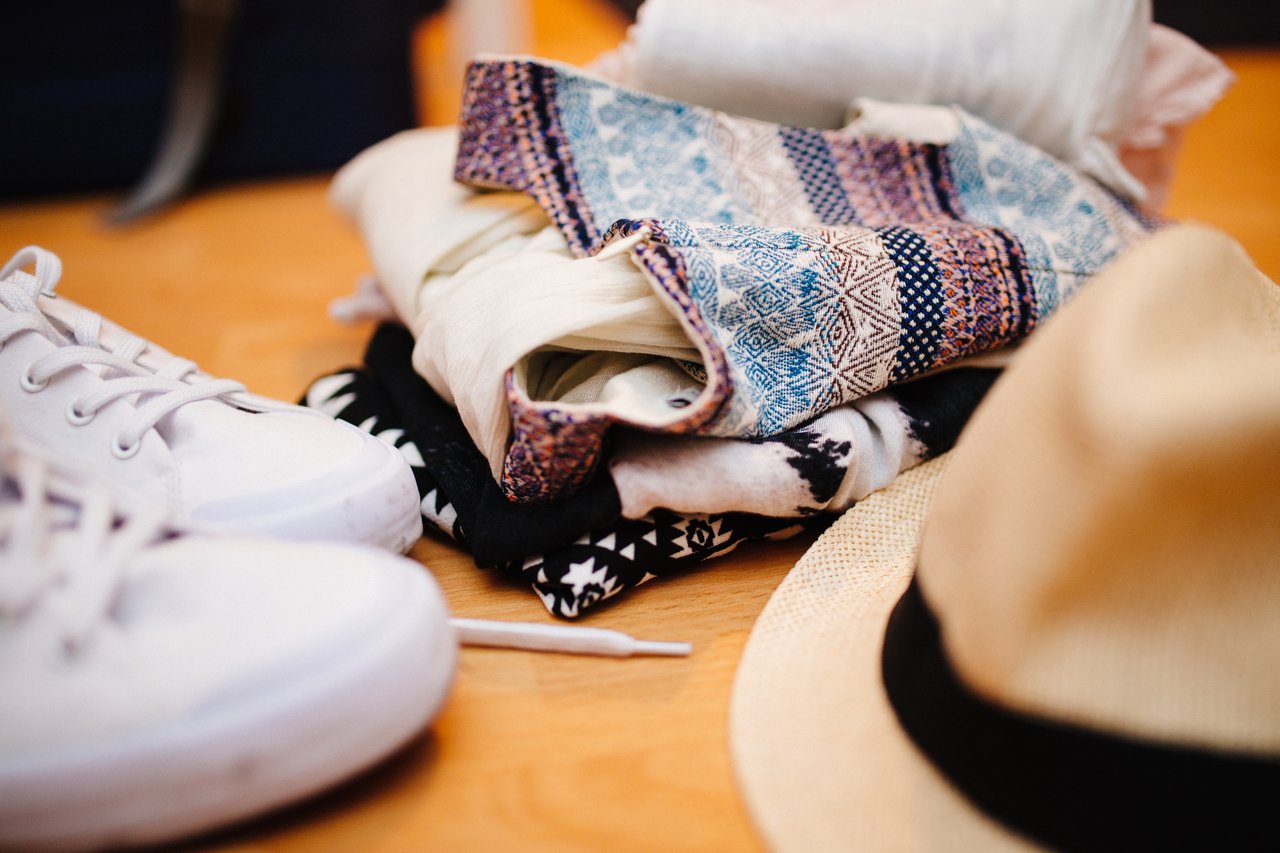
Fit is everything. No matter how great an item of clothing is, if it doesn't fit right, it doesn't belong in your closet. If you're holding onto it for sentimental value, ask yourself if you really need that sportswear from high school or your old ballet uniform from your childhood. Or, if something has a particular sentimental value to you, think about ways that you can repurpose it to extend its use—like creating a purse or pillowcase.
If you can't bear to part with a certain piece of clothing, try this intermediary trick: place the item(s) in a garment bag and put it aside for three to four months. If the item doesn't cross your mind during that time, donate it by the end of the season.
You're moving to a new city, or entering a new life stage

Whether you're moving to a new city or starting a new job, these changes will be reflected in your wardrobe. It's not practical to bring every single piece of clothing you own, so make use of this opportunity to declutter. Furthermore, if you're moving from a colder to warmer climate, it's the right time to donate those coats hanging in your closet—Arizona and thick winter jackets don't mix!
Sometimes the transition can be more subtle and it takes a discerning eye to decide what to keep and what to donate. Perhaps you're moving from a corporate culture to a more creative work environment or vice versa. In other cases, you might be switching coasts. Each city has its own distinctive sense of style; rely on your inner circle for a second opinion, or browse through magazines and style blogs to get a sense of what to keep and what to give away to help put your best foot forward as an acclimatized New Yorker or L.A. resident.
Clothing donation etiquette guide

Things to consider:
- Try to clean out your closet at least once a year, or ideally, at the end of every season. Most consignment stores won't accept clothing that's more than two years old, so keep that timeline in mind when selecting pieces to donate.
- While it might be tempting to donate stained clothing you can't seem to get clean, take your garments to a professional dry cleaning service first. They may be able to take care of any persistent stains as well as smells—they might even have clothing donation programs to help you out.
- Consult donation program guidelines when giving your clothing to charity: check for stains, rips or any defects that might make the attire unsuitable for second-hand use.
- If you have more expensive or professional pieces you're looking to donate, such as old suits or dresses, look for donation companies that specifically help outfit people for job interviews.
- As a rule, consider gently used pieces when sending your clothes to charity. You want the new owner to feel good wearing your previously loved items!
Cleaning out your closet doesn't have to be a chore. Make a party out of it and invite your best friends over to help you out. This way, you'll have a streamlined closet with only the best pieces—and someone else will be able to enjoy your unique finds.
Photos: SunKids / Shutterstock.com, Kasia Serbin, Africa Studio / Shutterstock.com, photobyphotoboy / Shutterstock.com, Hannah Morgan
Topics
Rinse Drop
We offer pickup and delivery if you can’t be present between 8pm and 10pm.
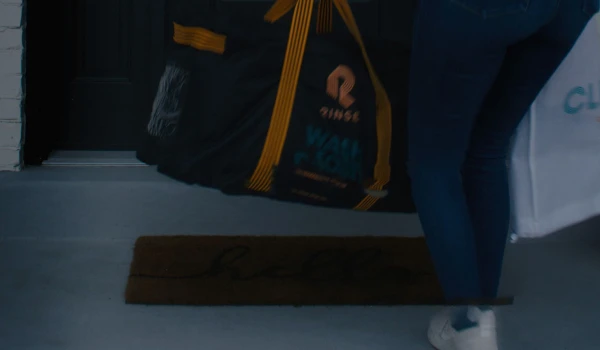
Our Valet will pick up or deliver your order to your doorstep or concierge, at which point you’ll receive a text with a photo showing where your items were left.
You can enable Rinse Drop on any (or all) of your orders.