Time
Hacks and how-to guides to make life easier.

Let’s demystify the world of laundry by breaking down each washing machine cycle! From the every day "Normal" to the specialized "Delicate" and everything in between, we’ll explore the nuances of washers so that each load tailors to your unique laundry needs. By the end of this guide, you'll be a laundry maestro, ensuring that your clothes emerge fresh, clean, and beautifully cared for.

Introduction
Do you ever look at the cycle selector on your washing machine and wonder what that sorcery is? Understanding washing machine cycles can be pretty intimidating, especially with new heavy-duty washing machines that come with all sorts of complex options.
When do you use each washing machine setting? Is there one for delicates or woolens? What is the difference between a pre-wash and a normal wash?
All these questions might have gotten your head spinning. But worry not, we'll guide you through laundry settings on your washing machine. Using the right ones will not only keep your clothes looking good for longer, but it will also help save water and energy.
Keep reading to learn all you need to know about your washer settings!

The 7 Washing Machine Cycles Explained
It's not rocket science, but understanding a new washer or dryer can be tricky. However, irrespective of the washer type, it should have the following wash cycles:
Normal
Unless you're a washing machine guru, you probably use the normal cycle on your washer. Most people are on the same page as you.
The normal cycle is a long cycle that works wonders for everyday clothes, like t-shirts, underwear, socks, pants, and cotton garments. It has high agitation and spins to extract most of the water from the load. As a result, this should be your go-to cycle for laundry, especially if most of your clothes are mixed fabrics, linen, and cotton.
Although the actual wash cycle depends on your washing machine, most washers run for an hour on a normal cycle.
Speed or Quick Wash
Most modern washing machines also have a speed wash setting, which is shorter than the normal cycle. You should use this setting if you're cleaning:
- Lightly soiled clothes
- Clothes that were forgotten in the washer or dryer and need to be rewashed
- Small laundry loads
A quick wash cycle is followed by a high-speed spin cycle to dry clothes faster. On average, the quick wash cycle runs from 15 to 40 minutes.
Heavy Duty
If you want to clean heavily soiled clothes or fabrics like towels, bedding, and linen, you should switch to the heavy-duty cycle. It runs for ~1 to 2 hours, depending on your washer.
There's a speedy spin cycle at the end of the heavy-duty cycle that helps remove most of the water from heavy fabrics.
Bulky
Have you ever struggled with your kids' clothes after they spent the whole day playing outside in muddy puddles and dirty playgrounds? You put the clothes through the normal cycle, but the stains just don't come out?
It's time to switch to the bulky cycle. In this setting, the washer agitates at a lower speed than usual and with larger amounts of water, which helps flush out stubborn dirt from your clothes.
The bulky cycle is also ideal for cleaning larger items like sleeping bags, comforters, and blankets. Do note that the cycle uses more water than usual, so you shouldn't run it too often to avoid overconsumption of resources and hefty utility bills.
Bedding and Sheets
Not every washing machine has a bedding and sheets cycle, but if yours does, you're golden. As the name implies, the setting is suitable for bedding, sheets, and large pieces of clothing like curtains.
If you want to wash curtains or drapes on this setting, we'd recommend checking their labels first. If they are made of delicate materials like silk, satin, or rayon, they might have to be taken to the dry cleaner instead and avoid getting damaged in a washing machine.
Delicate or Hand Wash
The delicate cycle is where the silk and cashmere items come in. It is suitable for lightweight fabrics like wool, sheer nylon, lingerie, hosiery, and other delicate materials.
Your washing machine will use warm or cold water and low-to-no spin for these fabrics. The cycle usually lasts for 1 to 1.5 hours.
Rinse and Spin
If a washing machine cycle does not remove detergent from the clothes, you can run the rinse and spin cycle. It removes residue materials from clothes while also rinsing away excess dirt, bacteria, and sweat.
You can also use this cycle to rinse soiled clothes before putting them in a heavy-duty or bulky cycle.

Decoding Washer Settings
Apart from washing machine cycles, there are a few other settings you should be aware of:
Water Temperature
Back in the day, you'd have to put dark and bright colors in cold water and whites in hot water. Nowadays, things are different. Modern detergents can clean pretty much any fabric with cold water. But sometimes, you will need hot water.
Hot water works for grease-stained, heavily soiled clothes, bed linens, and white cotton. Just make sure the temperature does not exceed 140°F (60°C) for most fabrics.
For regular laundry, stick to cold water.
Spin Speed
The spin speed of a washing machine is measured in revolutions per minute or RPM. A "revolution" is one full rotation of the drum. The faster the spin, the more water will be removed from the clothes.
A lower RPM is best for delicate items like lingerie. Higher RPM is recommended for towels, jeans, and similar clothes.
By default, washing machines are set to 1200 RPM-1400 RPM. This is suitable for most fabrics and wash cycles.
Soil Level
The soil level is the level of soil or dirt on your clothes. It differs across washing machines, but generally, you have the option of choosing between low, medium, and high. Choose the settings based on how dirty your clothes are.
Water Level and Auto Sensing
A standard top-load washer uses between 30 and 45 gallons of water in each cycle. But if you get an Energy Star-certified washing machine, you'll save a lot of water. It will use approximately 14 gallons in each cycle.
Most washing machines have an auto-sensing setting where they measure the load and adjust the water level accordingly. Alternatively, you can increase the water level manually for heavier loads and reduce it for lighter ones.
Steam Clean
The steam clean setting on your washer removes grime and stains from the clothes while reducing wrinkling and the risk of shrinking. Use this setting to sanitize your clothes or remove musty smells from them.
Extra Options
Some newer washers have additional options like pre-wash, soak mode, delayed start, and sanitize. Although most of them are self-explanatory, we'll explain a few:
- OptiWash: A feature in Samsung washers, OptiWash uses an advanced algorithm to get the most out of each load. It adds more laundry detergent or time (to the cycle), depending on how soiled your clothes are.
- Delayed Start: By selecting this option, you can set your washer to delay its start for a pre-arranged cycle. For example, if you want your washing machine to run a cycle while you're at work the next day, you can set it to start when you're away.
- Pre-Wash: It's a cold water cycle that helps remove any dirt and stains before the main wash cycle.
- Eco-Mode: When you turn on this mode, the washer automatically adjusts the cycle time, water level, and temperature to conserve energy.
- Soak Mode: In the soak mode, the clothes stay soaked in detergent water for some part of the cycle before the actual washing starts. For instance, according to Samsung, in a 42-minute wash cycle, 15 minutes will be the actual washing time, while the garments will be soaked for the initial 27 minutes.

More Expert Tips with Rinse
Understanding everything from laundry symbols to agitator settings and washer cycles will help you wash your clothes properly and save energy. Part of the reason your favorite cardigan gave up on you might be because of an improper wash routine.
The best way to ensure the longevity of your clothes is to use the right washer cycles every time. More importantly, follow the manufacturer's instructions on the tag.
It may seem like doing laundry is an art and learning to do it properly can take time. If you need any assistance, check out Rinse's expert advice for more. However, if you don't have time for laundry or simply want to give yourself a weekly treat, consult our professional laundry service for a hassle-free experience.
Contact us at Rinse today to see our skill in action.

Have laundry or dry cleaning to do?
Rinse picks up, cleans and delivers 7 days a week. Amazingly awesome. Ridiculously simple.

This article will cover the best ways to make your laundry smell good with easy-to-do yet highly efficient tricks. Also, it will tackle ways to keep the good smell in clothes and the reasons why laundry could be smelling bad.
Introduction
Having fresh and pleasant-smelling laundry is something everyone desires. There's nothing quite like the feeling of snuggling into a bed with clean, great-smelling sheets or putting on a shirt that exudes a delightful scent. However, achieving consistently good-smelling laundry can be a challenge. This article is here to help you overcome that challenge with easy-to-implement, yet highly effective, tips and tricks.
In the following sections, we will delve into the world of laundry and explore how to combat musty odors, keep your clothes smelling fresh, and elevate your laundry game.
In this comprehensive guide, we will discuss everything from dryer sheets and fabric softeners to more natural approaches involving baking soda, white vinegar, and essential oils. You'll discover how to banish unpleasant odors from your washing machine and tackle stubborn stains. We'll even explore ways to keep your dresser drawers and closets smelling fresh so your clothes maintain their delightful scent.

What Could Be Causing Your Laundry to Smell Bad?
Achieving the perfect, fresh scent in your laundry is the ultimate goal, but sometimes your clothes come out of the washing machine with an unpleasant odor. Here are some common reasons for that:
-
Overloading the Washing Machine: While it might be tempting to cram as many clothes as possible into a single load, overloading the washer can lead to ineffective cleaning and, consequently, unpleasant odors. Clothes need enough space to agitate freely for the detergent to work its magic.
-
Using Too Much Detergent: More detergent doesn't always mean cleaner clothes. Using an excessive amount of detergent can lead to a buildup of soap residue on your clothes and inside the washing machine. This residue can harbor bacteria and result in bad aromas.
-
Infrequent Washing of the Washing Machine: Your washing machine, like anything else, requires regular cleaning. Over time, dirt, detergent residues, and moisture can create an environment ripe for mold and mildew growth. This can translate into a musty smell on your clothes.
-
Mold and Mildew: Speaking of mold and mildew, these fungi thrive in damp, dark environments, and your washing machine's rubber seals and drum can provide the perfect breeding ground. If you notice a moldy scent on your clothes, check for mold or mildew inside the machine.
Understanding these common causes of laundry odors is the first step towards resolving them and achieving the perfect wash consistently. Now onto some tricks to ensure your laundry always comes out smelling fresh and delightful.
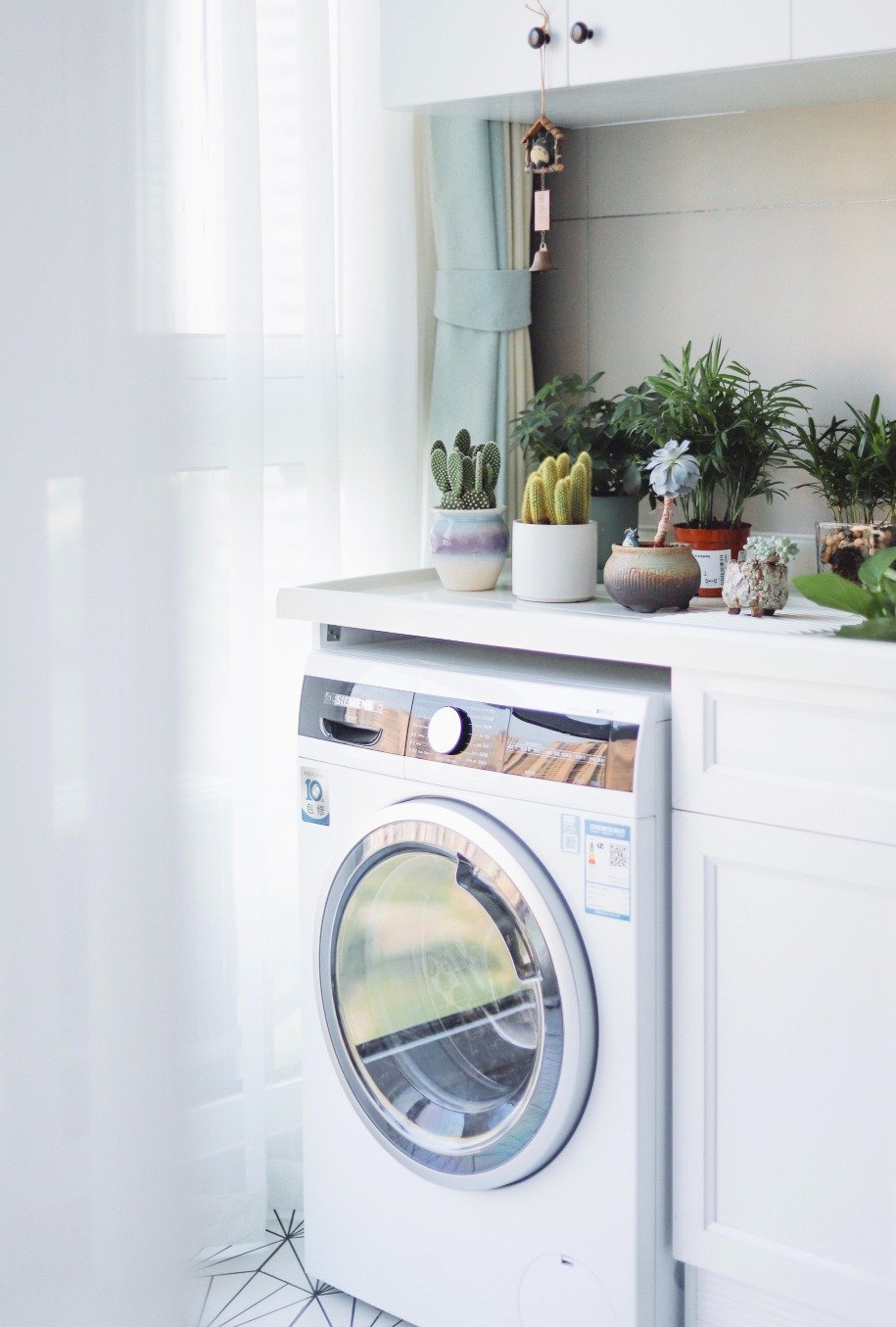
6 Ways to Make Your Laundry Smell Good
Every time you reach for your clothes, imagine opening your dresser drawer or closet to a burst of enticing fragrance. Achieving that heavenly laundry scent is easier than you might think – here's how:
1. Using Fabric Softener:
Fabric softeners are specially designed to add a soft, pleasant scent to your clothes while reducing static and making them feel cozy. Simply add fabric softener to your laundry during the rinse cycle and let it work its magic.
2. Keeping Your Washing Machine Clean:
An often-overlooked factor in achieving good-smelling laundry is the cleanliness of your washing machine. Regularly clean the drum, seals, and detergent compartments to prevent the buildup of odor-causing bacteria and detergent residues mentioned above.
3. Adding Vinegar to Your Machine as a Fabric Softener:
Vinegar, particularly distilled white vinegar, is an excellent natural fabric softener and deodorizer. Add a cup of vinegar to your machine during the rinse cycle instead of fabric softener to remove odors and leave your laundry smelling fresh.
4. Removing Your Laundry from the Machine Instantly:
One common mistake is leaving your damp clothes in the washing machine for an extended period as this can create a musty smell. When the wash cycle is complete, promptly transfer your clothes to the dryer or hang them up to air dry.
5. Using Products with Natural Fragrances:
Look for laundry detergents and additives infused with essential oils or natural fragrances. These products can impart a pleasant scent to your laundry without additional steps.
6. Using Baking Soda:
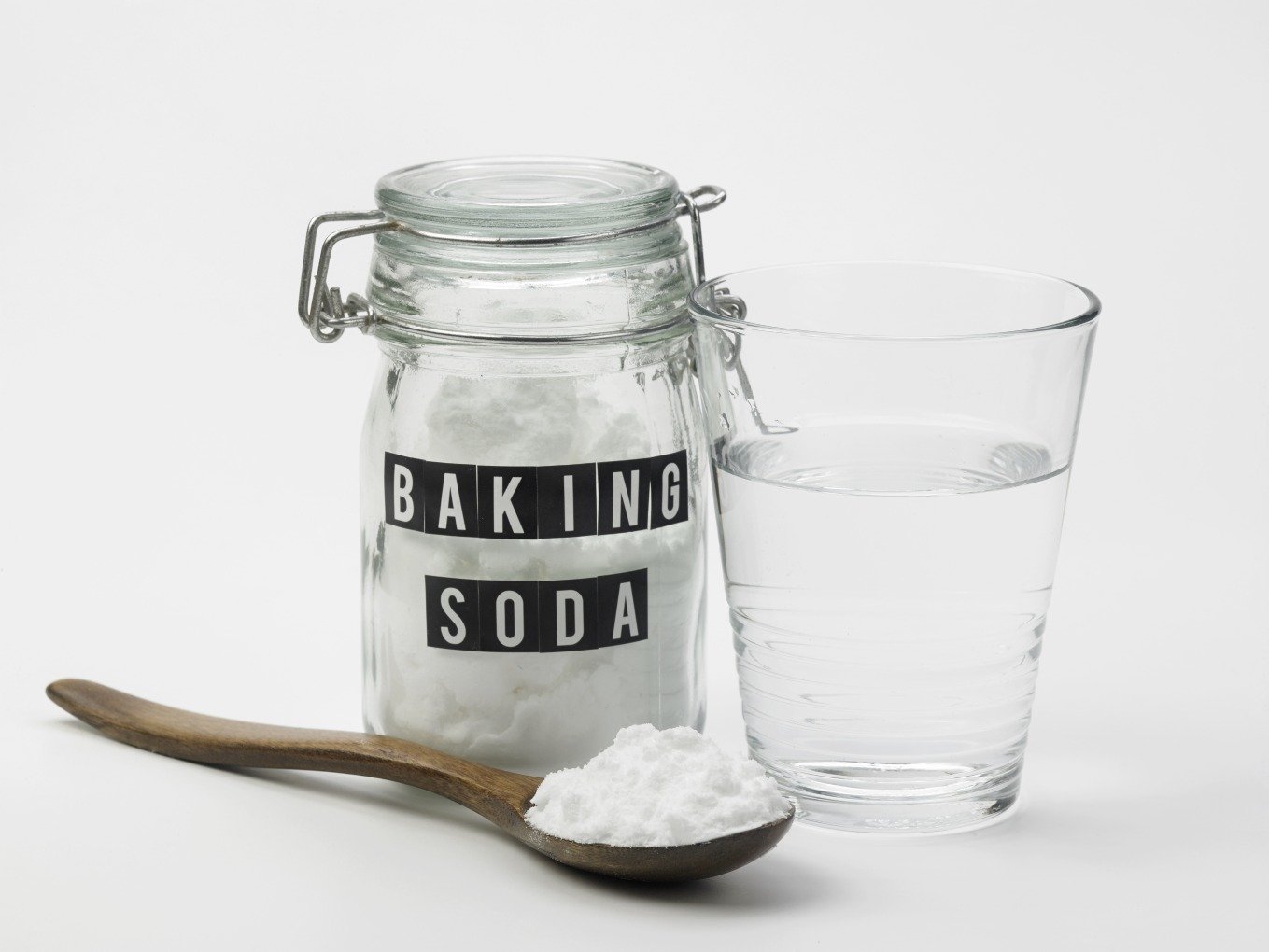
Baking soda is a versatile odor absorber and cleaner. Add half a cup to a cup of baking soda to your laundry to neutralize odors and enhance the freshness of your clothes.
Keep Your Laundry Fresh in the Long-Run
Achieving that delightful laundry scent is just the first step. To ensure your clothes continue to smell fresh and pleasant, it's important to adopt a few additional practices that can make a lasting difference:
1. Adding Essential Oils to Your Clothes:
Essential oils come to the rescue once again. After your laundry, add a few drops of your favorite essential oil to a clean cloth or a fabric pouch. Toss this into your dresser drawer, closet, or where you store your clothes. Not only will this keep your clothes smelling fantastic, but it will also infuse them with the natural fragrance of the essential oil.
2. Using Dryer Sheets:
Dryer sheets are a laundry staple for a reason. They're excellent for reducing static cling and imparting a pleasant scent to your clothes. Simply toss a dryer sheet into your dryer with your clothes and let it work its magic. Your laundry will come out smelling fresh and feeling soft.
3. Storing Your Laundry Properly:
How you store your freshly laundered clothes can make a big difference in how long they retain their good smell. Make sure your dresser drawers, closet shelves, and storage bins are clean and free from any musty odors. Additionally, ensure your clothes are completely dry before storing them to prevent the growth of mold or mildew.
4. Scenting Your Laundry with Scent Bars:
Scent bars or sachets are small, scented items that can be added to your dresser drawers or closet shelves. These little wonders release a gentle fragrance that keeps your clothes smelling fresh. You can choose from a variety of scents to suit your preferences.
Discover the Ultimate Laundry Experience with Rinse
While these methods are sure to elevate your laundry game and keep your clothes smelling fresh, there's an even easier way to enjoy the ultimate laundry experience. Say goodbye to the hassle of laundry day and let Rinse take care of it all for you. Here's why you should consider Rinse for your laundry and dry cleaning needs:
1. Quality Laundry Detergent:
Rinse uses high-quality laundry detergents to ensure your clothes are not only clean but also have a pleasant scent. Your garments will come back feeling soft and smelling amazing.
2. Expert Care for Smelly Clothes:
For clothes that require special attention due to persistent odors, Rinse's experienced team knows just how to handle them. Your smelly items will be treated with care and expertise so they will return to you fresh and odor-free.
3. Convenient Pickup and Delivery:
With Rinse, you don't need to worry about going to the laundromat or dry cleaner. Simply schedule a pickup, and Rinse will collect your laundry. Once it's cleaned and ready, it will be delivered back to your doorstep. No more trips, no more hassle.
4. Eco-Friendly Approach:
Rinse takes an eco-friendly approach to laundry. We use sustainable practices and products that are gentle on your clothes and the environment.
With Rinse, you can enjoy fresh, clean, and beautifully scented laundry without the stress and effort of doing it yourself. Say hello to the ultimate laundry experience with Rinse!
Contact us at Rinse today to see our skill in action.

Following care labels and properly caring for your clothes has long-term benefits. Learn how dry cleaning can actually save you money.
Introduction
People are often reluctant to dry clean their clothing because it is more expensive than traditional laundry, but a professional cleaning service can be a great investment for your lifestyle and closet that saves you money in the long run.
Below we will explore the cost-effective conveniences that paying for a dry cleaning service yields for your garments, while also going over how much you should expect to pay.
How Much Does Dry Cleaning Usually Cost?
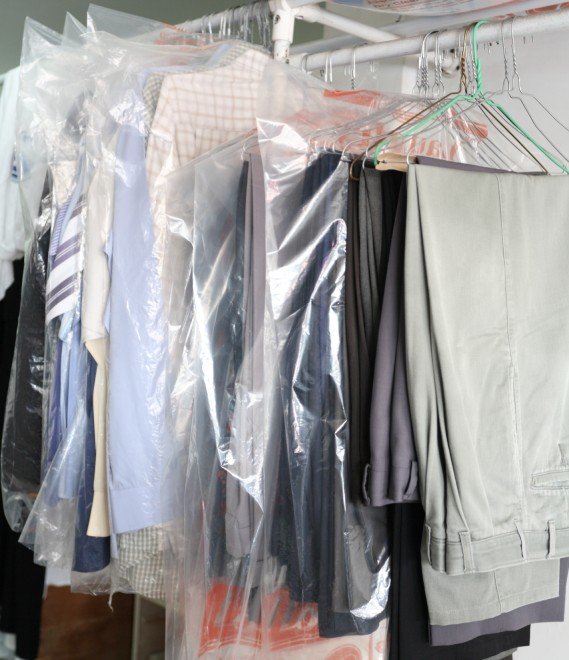
Several factors will determine how much your local dry cleaner will charge to clean your clothes, such as where you live, the type of garment, the fabric, and the size of your items. Often, there are additional services available, such as stain removal, hemming / alternations, and repairs.
Let's get into some approximate price ranges for the most common garments:
Men's Dress Shirts
Average Price: $2.50 - $5.00 per shirt
These are the most common garments cleaned at a dry cleaner. As a result, the pricing quoted for these tends to be a good indicator of how expensive the locale is. Note that women's dress shirts should have a similar price, but blouses will be more expensive.
Women's Blouses
Average Price: $5.00 - $10.00 per blouse
Blouses have a higher average cost to dry clean because they tend to be made of more delicate fabrics, such as silk or chiffon. These materials require additional care and attention to dry clean.
Suits (Two-Piece)
Average Price: $10.00 - $20.00 per suit
Most dry cleaners treat suits as separate pieces – jacket plus pants. (If you have a three-piece suit, then the vest is separate too.) However, you should not be paying more than $20 to have your favorite suit washed, whether your suit is linen, cotton, or polyester.
Dresses
Average Price: $10.00 - $20.00 per dress
The dry cleaning cost for dresses varies according to their material. Again, delicate fabrics such as silk and satin increase the difficulty of removing stains. More complex dresses (beading, sequins) add to the cost. Note wedding dresses will also be more expensive due to their size and weight.
Pants / Slacks
Average Price: $5.00 - $10.00 per pair
While the cost to wash your pants will also depend on the material, special requests can also influence pricing (think pressing or cuffs). Some dry cleaners also have separate pricing for women's pants.
Coats / Outerwear
Average Price: $15.00 - $30.00 per coat
Materials like leather and suede will be more expensive to dry clean. In addition, the size of the coat or jacket will also influence the quote you receive. Larger garments require more time and solvent to clean, increasing the dry cleaning cost.

5 Ways Dry Cleaning Can Save You Money
It Helps Your Polished Pieces Last Longer
While there are items that you can take care of at home, certain upscale pieces such as your silk dress or structured wool blazer are best left in the care of a professional dry cleaner. Pieces that aren’t properly cleaned before being put away can carry undetectable odors that attract insects and moths. These pests can eat certain fabrics, including wool, cashmere, silk, and cotton, gradually ruining your favorite items. Sensitive fabrics may also fade in color or stretch in shape in a washing machine or dryer. By using a professional cleaning service, your pieces will last much longer so you won't have to replace them as often, ultimately saving you money.
Care tip: Familiarize yourself with different fabrics and the appropriate treatment for each material. For instance, cashmere can often be hand-washed with a gentle laundry soap. Before doing so, it's always good to double-check the clothing label to see if hand washing is appropriate. Other fabrics like silk require professional dry cleaning. Our guide on which pieces can be dry-cleaned provides an in-depth breakdown.

It Can Treat Stubborn Stains
Besides helping your pieces maintain their color and shape, dry cleaning can help treat stubborn stains like grass, which you might not be able to remove using traditional laundry means. A professional service might be able to salvage your favorite sweater or slacks so you don't waste money on different detergents, home dry cleaning kits, or DIY treatments just to end up with a slightly faded but still visible mark. Furthermore, if you don't pre-treat stains or if you use the wrong cleaning agent, you might cause further damage to your clothing. Either way, you can be left having to replace these pieces altogether and wasting money on your wardrobe.
Care tip: Food stains can affect fabrics differently than sweat residue. In some cases, you might be able to apply a DIY treatment. Know when to treat the stain yourself and when to visit a dry cleaner with our summer stains guide.

It Adds Professionalism to Your Workplace Attire
First impressions are extremely important. Being smartly dressed will help you make your mark at a job interview or client meeting – which can lead to financial gain down the road. An inexpensive way to elevate your office style is to ensure that your pieces are always freshly pressed. You don't need to spend a lot to create a chic ensemble: well-tailored and maintained pieces create a professional look that will help you get ahead in the workplace. To keep your business attire looking top-notch, leave your suit or dress shirt with the dry cleaners. Even if you work in a creative or casual environment, a creased shirt can make you look sloppy. Unsightly wrinkles, stains, or smells on worn clothing detract from your professionalism. A trusted service will help you take care of these smaller details so you can focus on the big picture and impress your boss or client.
Care tip: Besides taking care of your basic clothing maintenance needs, most modern dry cleaners provide additional options such as alterations or repairs. Take advantage of their services to ensure your office outfit is always as impressive as your portfolio.

Get Discounts for Multiple Pieces
You tend to get deals at Costco or warehouse retailers because you buy larger quantities in bulk. This concept can also be applied to dry cleaning. Some shops will have specials such as "5 shirts cleaned for the price of 4". If they don't or if your order is particularly large, they may be open to quoting below sticker price – no harm in asking!
Care tip: Test out the dry cleaner before sending a large order their way. You want to make sure they do quality work before putting your entire closet in their care.
It Avoids the Usual Damages Caused by Washing Machines
Delicate clothes are called delicate for a reason – they are easy to ruin when washing. Recall that materials like silk, suede, leather, and wool do not do well in washers or dryers. Save yourself from the heartbreak of ruining your favorite pieces and take them to the dry cleaner.
Other large items, such as comforters, may simply not fit in your washer (king-size comforters definitely will not), leaving you with few alternative wash options.
Care tip: Always make sure your washing machine is filled to an appropriate level. Overloading it will result in a poor wash and will likely require another cycle.

Dry Cleaning with Rinse
While you save on short-term costs doing laundry at home, your finest attire requires professional care to keep them looking as fresh as the day you bought them. And that's a worthwhile investment. If you want to make a good investment in your clothing care, you should strongly consider dry cleaning.
One last tip we'd like to share is to use a dry cleaning or laundry service for your convenience. For instance, Rinse has years of experience dry cleaning all types of garments, using efficient techniques, and with transparent pricing. Did we mention we pick up and deliver your laundry and dry cleaning from and to your doorstep?
Contact us at Rinse today to see our skill in action.
Topics
Rinse Drop
We offer pickup and delivery if you can’t be present between 8pm and 10pm.
Our Valet will pick up or deliver your order to your doorstep or concierge, at which point you’ll receive a text with a photo showing where your items were left.
You can enable Rinse Drop on any (or all) of your orders.