Time
Hacks and how-to guides to make life easier.

Rinse has put together some tips on how to keep your Airbnb property in pristine condition and keep the positive reviews rolling in!

Introduction
The current guest leaves your Airbnb at 9 a.m., and the new one checks in at noon. You're in a three-hour time crunch, and there's plenty to do to get your place ready for the new arrival.
You could just give it a quick sweep and call it a day, but you don't want to lose your Superhost status. After all, cleanliness is essential in garnering positive reviews, eventually resulting in a better host reputation and more bookings.
Now, the pressing question on your mind – how to clean for Airbnb and how to do it well. Don't worry, Rinse has your back.
The Essential Airbnb Cleaning Checklist
Start with a walkthrough of your property to make a mental note of areas requiring more or immediate attention. Then, go through the following checklist to tackle all rooms one by one:
Bedroom Bliss
The more the bedroom in your Airbnb reminds a guest of a fancy hotel, the higher the likelihood of positive reviews. Do the following for a hotel-like bedroom experience:
-
Replace the bedding, such as sheets, comforters, and blankets, with freshly cleaned ones.
-
Make the bed, including the following: a fitted sheet, a flat sheet, pillows, a duvet cover, and a top sheet.
-
Dust the light fixtures and furniture.
-
Vacuum the floors, rugs, baseboards, and window sills.
-
Wipe all surfaces, such as nightstands, bed frames, dressers, and mirrors.

Revitalized and Refreshed Bathrooms
The bathrooms can make or break a guest's experience in a vacation rental. Our tip is to clean in a back-to-front order, i.e., from the shower to the toilet to the sink to the floor. Here's what to do:
-
Clean the toilet, shower, and sink thoroughly. Scrub off any stains or dirt.
-
Wipe the mirror with an appropriate glass cleaner.
-
Replace the used towels with fresh ones.
-
Restock amenities in the bathroom, such as shampoo, conditioner, body wash, dental floss, and a fresh bar of soap.
-
Take the trash out and put a new liner in the bin.
-
Mop the floor with a disinfectant cleaner.

Sparkling Clean Kitchen
Moving on to the kitchen, give this area a refresh, too. Your guests might not cook, but they'll definitely pop in here for a quick cup of coffee or snack. Follow this cleaning checklist for the kitchen:
-
Take all remaining food out of the refrigerator.
-
Scrub off the grease and food particles in the oven, microwave, refrigerator, and other appliances.
-
Clean the countertops, stovetop, and faucet with an all-purpose cleaner.
-
Wash and organize all cooking utensils.
-
Restock kitchen supplies like dish soap, paper towels, matchsticks or lighters, garbage bags, and napkins.
-
Sweep and mop the floor.

A Welcoming Living Room
The living room is where guests will probably spend most of their time, so cleanliness is a must here. The checklist for the living room is as follows:
-
Vacuum the floors, carpets, rugs, and upholstery.
-
Dust the blinds, vents, light fixtures, window sills, baseboards, and shelves.
-
Wipe the TV screen and other glass surfaces, such as mirrors.
-
Disinfect the remote control and other objects that are touched frequently.

The Extra Mile with Delightful Touches
What differentiates a regular host from a Superhost? The additional beautification touches. Here's what you can do to make your vacation rental memorable for guests.
-
Place welcome chocolates or flowers to welcome your guests.
-
Add complimentary water bottles, snacks, or a basket of toiletries in the bathrooms.
-
Provide add-ons like a hair dryer, phone charger, first aid kit, etc.
-
Provide extra blankets and pillows in the closet.
Deep Cleaning Your Space Between Guests
How to clean Airbnb when your guests are on their way to the airport and will arrive in under 24 hours? Prepare yourself for a long day.
Start with decluttering the space and removing garbage. Then, vacuuming all possible surfaces, including the floors and the stairs. A wet-dry vac is a lifesaver since it can also be used to spray and clean any hard-to-reach places.
Tackle the bedrooms by replacing the sheets and cleaning all surfaces. As for the bathroom, clean the toilet and shower thoroughly using disinfectant. Don't forget to wipe down all surfaces with an all-purpose cleaner.
Take a quick look at the kitchen to see what needs restocking. Then, clean it thoroughly, just like the bedroom and bathroom.
Finally, disinfect the doorknobs, light switches, remote controls, and other high-traffic areas. For an added welcome appeal, sweep the deck area or the porch.
Maintaining Cleanliness During Guests' Stay
Keeping the Airbnb rental sparkling clean during guest stay is just as important as preparing it for check-in. Keep fresh linen and towels on hand to replace dirty ones, and leave cleaning supplies in the vacation rental for the guests' convenience.
Communicate guidelines with the guest on how to use the space optimally. For example, instruct them to throw their trash out at the end of each day and wipe down kitchen surfaces after using them.
If you hire Airbnb cleaning services, run them through the checklist you used when preparing for your guests' arrival.

Outsourcing Cleaning Services for Airbnb
Sometimes, the DIY cleaning approach just doesn't work. Maybe you're a vacation rental owner with a full-time job or just detest the idea of working a lint roller or a vacuum cleaner.
Either way, an Airbnb cleaning company can take the task off your hands. Hiring housekeeping for Airbnb means you can rest easy knowing your rental is in good hands.
A house cleaning service is already well-versed in the basics of Airbnb cleaning. So, you can expect them to do a stellar job. They also bring their equipment and tools, saving you the hassle and cost of renting or buying them.
You don't necessarily have to outsource all Airbnb cleaning services. You can simply outsource laundry and dry cleaning to a professional service like Rinse. We will pick up the dirty laundry, clean it, and deliver it to your property.
Similarly, you can hire a cleaning company for monthly deep cleans. The same goes for lawn upkeep and pool maintenance.
At the end of the day, you're left with a cleaner Airbnb without spending half your day on property management and continue being a stellar Airbnb host. Sounds like a dream come true, doesn't it? Get in touch with us at Rinse to outsource your first cleaning job today.

This article introduces readers to the concept of laundry stripping – a popular technique for deep-cleaning clothes and removing built-up residue. We explain what laundry stripping is, how to do it step by step, and provide a laundry strip recipe.
Introduction
When it comes to laundry, the washing machine is our trusty sidekick. But did you know that a cleaning trend has been making waves — quite literally — in bathtubs across the globe? It's called laundry stripping, a technique that emerged on the screens of TikTok and quickly gained millions of views. This method promises to revive those dingy, lackluster garments in your closet, making them shine with newfound freshness.
What is Laundry Stripping?
At its core, laundry stripping is a deep cleaning method that targets the grime, dirt, and residue that regular laundry sessions might miss. Whether from body oil, hard water, or leftover detergent, our favorite garments and linens can accumulate a buildup that regular washing can't handle over time. That’s where laundry stripping steps in, promising to strip away this undesirable gunk.
To start, you'll need a few key ingredients: borax, washing soda (sodium carbonate), and Calgon or a homemade laundry detergent containing the active elements of both. These cleaning agents work together to break down and remove the buildup from your clothes. The process utilizes hot water to dissolve and activate the ingredients, ensuring a thorough cleaning.
Laundry Strip Recipe
Stripping isn't about playing with fancy, hard-to-find ingredients; it's about sticking to basics and giving fabrics the deep clean they deserve. The magical concoction that does the trick involves everyday cleaning staples that are easily available.
Ingredients and Equipment:
- Borax (Arm & Hammer's Borax is a popular choice)
- Washing Soda (Also by Arm & Hammer, and no, it's not the same as baking soda)
- Powdered Laundry Detergent (Any brand, though some prefer using well-known ones, like Tide)
- Calgon (Especially if you're dealing with hard water stains)
- A bathtub or large basin
- Hot water (as hot as you can safely manage)
For a rejuvenating soak in a standard bathtub half-filled with hot water, you’ll need:
- ¼ cup Borax
- ¼ cup Washing Soda
- ½ cup Powdered Laundry Detergent
- Optional: ¼ cup Calgon
Start by ensuring your tub or basin is clean. Fill it with hot water and then gradually add your ingredients, stirring well to ensure they dissolve fully.
Calgon acts as a water softener, and while not always necessary, it's a great addition if you have hard water. Hard water can leave mineral deposits on your clothes, affecting their look and feel. If you cannot find Calgon, a splash of vinegar can also help break down the mineral build-up.
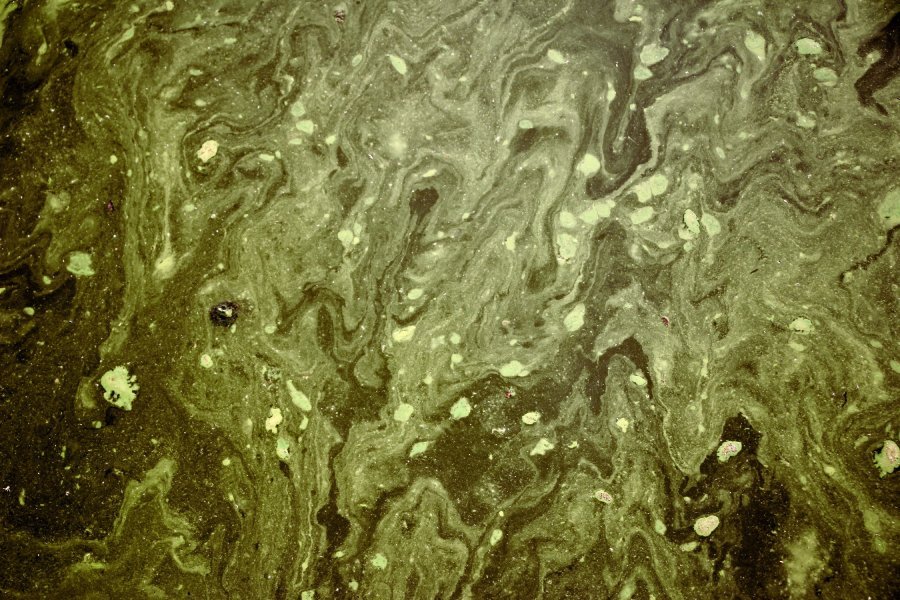
Once your mixture is ready, add in the dirty clothes, ensuring they're fully submerged. Soak the garments for several hours, stirring occasionally. As time progresses, you might be surprised (and perhaps a tad grossed out) to see the water change color. This is the residue, fabric softener, detergent, and grime being stripped away.
After soaking, rinse your clothes well and run them through a regular washer cycle. The result? Clothes and towels that look, feel, and smell cleaner than they have in ages!
How to Strip Your Laundry: Step-by-Step
Despite its viral nature, laundry stripping is more science than spectacle. It's a method designed to remove residues, buildup, and grime that regular washing may miss.
1. Collect the Laundry Items for Stripping
First and foremost, select the items you believe need rejuvenation. Common candidates are towels that have lost their absorbency, workout clothes that don't feel as fresh, or bed linens that seem dingy even after a wash. Be cautious of extremely delicate fabrics; they might not withstand the vigorous process.

2. Prepare Your Basin Or Tub
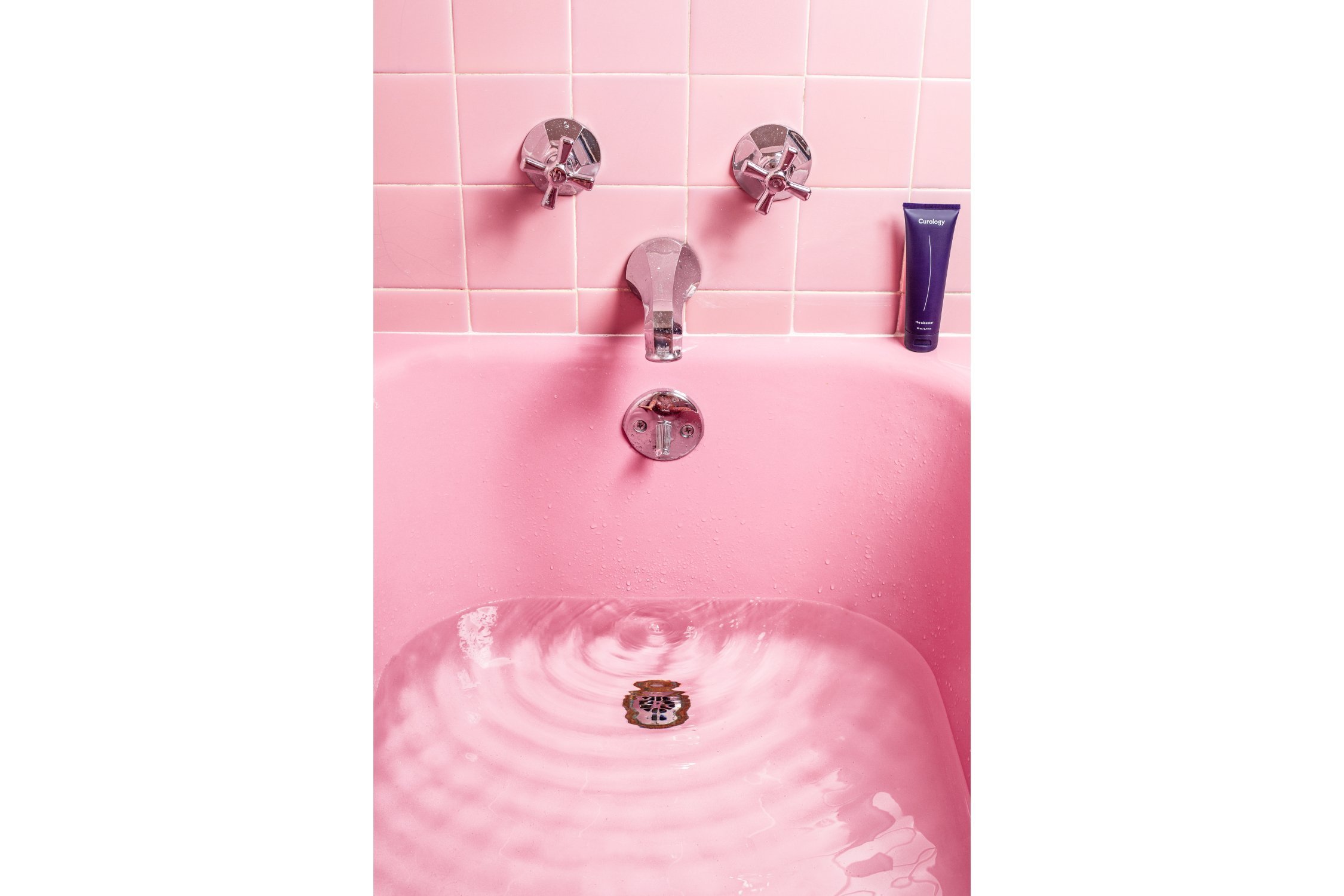
You can use your bathtub or a large basin for this process. Fill it with hot water, ensuring it's as hot as you can safely manage. The warmth helps in activating the ingredients and enhancing their cleaning properties.
Note: If your clothes or linens are not very dirty or stained, you may opt for warm water instead.
3. Add Your Laundry Stripping Ingredients
Create a cocktail of cleaning agents. For a standard-sized bathtub, mix:
- ¼ cup Borax (often found under the brand Arm & Hammer)
- ¼ cup Washing Soda (it's not baking soda!)
- ½ cup Powdered Laundry Detergent (brands like Tide work well)
If you face hard water issues, add ¼ cup Calgon as a water softener to combat the minerals. In the absence of Calgon, a bit of vinegar can also help break down those stubborn mineral deposits.

4. Immerse and Stir Your Laundry
Once your concoction is ready, gently place your clothes, towels, or linens into the tub. Ensure they're completely submerged in the solution. Let them soak, but remember to occasionally stir the mix, helping to agitate the buildup and residues of the fabric. This process should take up to six hours, and you may be surprised to see the water's transformation as it collects all the buildup and grime.
5. Remove and Give It a Final Wash
After a thorough soak, remove the stripped items from the solution. You'll likely notice a significant amount of gunk left behind in the water — a testament to the effectiveness of the strip. Run the stripped items through a regular wash cycle in your washer to remove any remaining cleaning agents. Then, dry as you normally would, but perhaps skip the dryer sheet this time to avoid reintroducing any residue.

Is Laundry Stripping Safe?
The allure of laundry stripping has been significantly amplified by viral TikTok videos, showcasing tubs filled with murky water after a good soak, illustrating the amount of muck removed from what were thought-to-be-clean textiles. But is this mesmerizing method safe for all your clothes and linens?
Laundry stripping primarily aims to remove the dingy buildup and residue that accumulates on fabrics over time. This includes remnants from homemade laundry detergents, fabric softeners, hard water minerals, and body oils. The primary agents used in the process – Borax, washing soda, powdered laundry detergent, and sometimes Calgon or vinegar – effectively target this accumulated grime.
However, there are considerations to make when determining the suitability of laundry stripping for various items:
Color and Fabric Type: Laundry stripping works best on whites, light-colored items, and specifically colorfast bath towels and bed sheets. These textiles can endure hot water cleaning without the risk of fading. Darker-colored items or non-colorfast fabrics might lose their vibrancy or suffer damage in the process.
Temperature Resilience: The technique involves soaking items in hot water, often for hours. Only clothing or bedding items that can withstand high temperatures should be subjected to stripping. Delicate items, such as lace, silk, or fabrics prone to shrinking, should be kept away from this method.
Laundry Stripping vs. Regular Washing: It's worth noting that not every piece of fabric needs to undergo this deep-clean treatment. While laundry stripping can be a revelation for revitalizing old workout clothes, towels, or bed linens that have lost their charm, it's not a replacement for regular washing. Instead, consider it an occasional spa treatment for those items that have been feeling a bit off despite regular washes.
Experience Effortless Laundry with Rinse
After diving deep into the world of laundry stripping, understanding the nitty-gritty details of removing dingy buildup, and witnessing the resurrection of towels and linens from a murky tub of residue, one can't help but ask: Isn't there an easier way?
Enter Rinse. While the fascinating world of laundry stripping, made famous by TikTok, does wonders in breathing new life into fabrics, it can be a lengthy and sometimes messy process. From the mixture of homemade ingredients to soaking and stirring, stripping is an art and a commitment.
At Rinse, we understand the beauty of clean, revitalized clothing without the hassle of extended soaking or the need to buy multiple products. Our expert services cater to various laundry needs, ensuring your clothes are free from the sludgy buildup of residue, soap remnants, and the challenges that hard water brings.
Why Choose Rinse?
- Convenience: Say goodbye to the days of working over a tub full of dirty water. With Rinse, schedule a pick-up, and our team will handle the rest. From wash to fold to delivery, your laundry is in expert hands.
- Expertise: While you might be using a combination of vinegar, powdered laundry detergent, and Calgon at home, our team at Rinse employs a blend of techniques and products to ensure your fabrics are treated with the utmost care, stripping away stains, residues, and dinginess without harming the fabric.
- Versatility: Whether it's workout clothes that have endured too many rigorous sessions, towels that have lost their plush appeal, or linens that don't feel as fresh anymore, Rinse has got you covered.
- Eco-friendly: Are you concerned about the environmental impact of bleach, excessive water use, or waste? Rinse prides itself on its eco-friendly processes, ensuring your clothes aren't just clean, but the Earth is a bit cleaner, too.
- Dedication to Quality: We don't just wash and deliver. Every garment goes through a rigorous process to ensure it's returned to you in the best condition possible, from the washer to the final fold.
In an age where convenience is king, why not hand over the reins of your laundry challenges to the experts? While stripping at home can be gratifying, Rinse offers the joy of impeccably clean textiles without the elbow grease. So, the next time you find yourself battling stubborn stains, residues, or just a pile of dirty laundry, remember: Rinse is here to make it all effortless. Experience the magic of clean, rejuvenated fabrics without lifting a finger.
Ready to revolutionize your laundry routine? Try Rinse today!

Keep your restaurant in pristine condition by following these tips that Rinse has put together for you!
Introduction
Cleaning a restaurant, especially a commercial kitchen, is no walk in the park, considering the scrutiny by health inspectors and customers. Even missing or overlooking the tiniest detail can lead to a whole slew of problems for restaurant owners.
That's where a comprehensive restaurant cleaning checklist comes in handy. It serves as a guide for restaurant owners to ensure that every possible area of their business has been thoroughly cleaned and sanitized.
But what goes into this checklist? Is it anything like house cleaning, or is there something more complex at hand? Let's find out.
The Importance of Regular Restaurant Cleaning
Regular cleaning, particularly in a restaurant's kitchen, is a must-do to prevent cross-contamination. According to the Canadian Institute of Food Safety, the common sources of cross-contamination in a commercial kitchen are kitchen equipment, utensils, cutting boards, mixing boards, cloths, towels, uniforms, and hairnets.
Another notable source of cross-contamination is insect infestations – cockroaches and flies can be carriers of disease-causing bacteria. Their presence in a kitchen is a sign of sanitation and hygiene issues that can be resolved with proper cleaning.
Cleanliness in a restaurant is not limited to sanitizing, scrubbing, mopping, wiping, and cleaning the furniture or other surfaces. It includes employees' sanitization measures, too. Are they washing their hands frequently? How often do they change their gloves?
It's important to ensure no cross-contamination is happening in the kitchen, both from employees to food and vice versa. When health emergencies arise, like COVID-19 or other viruses, cleanliness becomes even more paramount.
Ensuring top-notch cleanliness routines in your restaurant also gets you positive feedback during health inspections, a way to attract customers to dine at your establishment. The Food and Drug Administration (FDA) has food service codes and regulations you can consult for more guidance.

Front-of-House Cleaning Checklist
Would it be okay to create a kitchen cleaning checklist and call it a day? Not at all. The front-of-house is just as important as it's the first impression your guests have, and as we all know, the first impression is often the one that sticks.
Daily Cleaning Tasks
These tasks comprise the cleaning activities you need to perform during working hours and at the time of closing. Let's tackle both individually.
During the Day
- Wipe high-traffic areas such as tabletops, railings, door handles, chairs, and countertops with a disinfectant throughout the day.
- Wipe tables after every customer leaves.
- Clean the bathroom periodically and restock soap or toilet paper if needed.
- Empty wastebaskets as they fill up.
- Sweep the floor at least once every hour and mop if needed.
- Clean glass doors and windows to remove smudges.
At Closing Time
- Wipe all tabletops and chairs with a disinfectant.
- Vacuum the floor, paying extra attention to corners and behind furniture.
- Clean the menus.
- Sanitize the bathroom and restock any supplies.
- Empty wastebaskets and wipe down the bins.
- Clean the windows, doors, and their frames.
- Clean all equipment, such as the cash register, coffee machine, and soda dispenser.

Weekly Cleaning Tasks
Not everything has to be done every day. There are some tasks that, if done once a week, will keep your restaurant clean and safe. These tasks are more specific and often require more time too.
If possible, you can dedicate your restaurant's day off or a designated time for cleaning to attend to these tasks:
- Clean the ceiling fans to remove any dust buildup.
- Wash the walls and baseboards to get rid of any dirt trapped in them.
- Dust the shelves and other surfaces, such as picture frames or plants.
- Vacuum the nooks and crannies of the restaurant.
Monthly Cleaning Tasks
Here's a cleaning checklist of the tasks you only need to do once a month:
- Sanitize decorative elements, like artwork or plants.
- Clean the air conditioning unit.
- Clean the upholstery, carpets, curtains, and chairs while checking them for any damage or wear.
- Check and clean all the lights, including chandeliers and light fixtures.
Back-of-House Cleaning Checklist
The back-of-house mainly involves the preparation area, kitchen, and storage. Its cleanliness is essential to ensure food safety and employee well-being. Plus, you want the food prep area to be spotless to avoid contamination.
Commercial kitchens are much more complicated than residential ones. Naturally, they also have more equipment and surfaces. That's why it's necessary to organize your kitchen cleaning checklist into a routine with regular and specific tasks.
The regular ones range from tidying up the premises and mopping the floors to sanitizing counters, refrigerators, shelves, stoves, ovens, and other cooking surfaces. As for specific tasks on your list, these can include replacing old sponges with new ones and sterilizing all cutting boards.
Here are some daily, weekly, and monthly cleaning tasks to take on.
Daily Cleaning Tasks
The restaurant kitchen cleaning checklist can be broken down into sections:
Prep Stations
During the shift:
- Clean all surfaces before preparing food.
- Wipe the surfaces between prepping different ingredients.
- Clean the floors after spills and accidents.
At the end of the shift:
- Clean all tools and equipment, including containers, utensils, knives, cutting boards, and bowls.
- Sanitize all surfaces and equipment used during food preparation.
- Clean the floor mats and mop the floors.
- Refill the soap dispensers.
- Empty the trash cans.
Line
The ''line'' is where the cooks prepare and cook the food. There's a high risk of food contamination here.
During the shift:
- Scrape the grills and griddles between uses.
- Clean spills immediately.
- Sanitize all surfaces.
- Clean the fryers, ovens, and hood systems.
At the end of the shift:
- Empty the drip trays and clean them.
- Clean the microwaves and toaster ovens.
- Clean the vent hood, filters, and exhaust fans.
- Mop the floors and empty the trash cans.
- Put all the dirty linens and towels in the laundry basket.

Dish Pit
The dish pit is where the dishwasher washes the dishes and utensils. It usually has a conveyor belt or a rack where the dishes and utensils are placed.
During the shift:
- Empty the dishwashers after every cycle.
- Clean the surfaces of the dishwashers.
- Mop the floor to remove any soap or water that may have pooled.
At the end of the shift:
- Hand wash any utensil or dish that could not fit in the machine.
- Clean the sinks and washing stations.
- Sweep and mop the floors.
- Empty the trash cans.
Weekly Cleaning Tasks
Besides daily cleaning, it's also imperative to do weekly deep cleaning to ensure a safe and healthy environment for everyone. Here's what needs to be done:
- Toss out expired ingredients and food products.
- Clean the shelves and refrigerator doors.
- Clean the fryer, ice machine, refrigerator, and oven.
- Use a degreaser to clean the grills and griddles.
- Wash walls, light fixtures, and ceilings with soap and water.
- Sweep and mop all the floors.
Monthly Cleaning Tasks
Every month, dedicate a day to deep cleaning. The cleaning schedule should include all back sections of the restaurant, from the line to the dish pit and storage areas.
Pay close attention to all the appliances, from the fryers and ovens to the refrigerators and ice machines. Depending on your menu, you might also have additional appliances like food processors, slicers, mixers, etc. All of these need to be thoroughly cleaned at least once a month.
Here's what to do:
- Sanitize the walk-in coolers with a detergent-sanitizer mixture.
- Clean the commercial stovetop and ovens.
- Inspect and clean the ducts and hoods.
- Clean the drains in the dish pit and mop sinks.
- Polish all stainless steel faucets and sinks.
- Clean and sanitize all cutting boards with a vinegar solution.
Simplify Your Linen Care with Rinse
When creating a commercial kitchen cleaning checklist, many restaurant owners overlook the importance of clean kitchen linens and aprons. Often, these linens are responsible for the cross-contamination and health hazards that later get your restaurant bombarded with negative reviews on Google or Yelp.
Why not avoid this issue by outsourcing laundry and dry cleaning needs to a professional solution like Rinse? On one hand, it saves you a ton of time that your employees would otherwise have to spend washing the tablecloths, napkins, towels, aprons, and other linens.
On the other, it also ensures quality and consistent results. Boasting a convenient and tested cleaning process, Rinse provides a safe and hygienic way of dealing with laundry without having to lift a finger.
Want to learn more about Rinse?
Schedule a pickup to get started today and see for yourself why the hospitality industry is turning to Rinse for all its linen needs.

Are you looking to embark on a greener laundry journey? Immerse yourself in sustainable living by learning to use eco-friendly laundry detergent alternatives and exploring additional ways to turn laundry into a green practice. Get ready to transform your laundry routine with Rinse!
Introduction
These days, everything is going green and laundry is not an exception. Word is getting out about the dangers of chemicals and synthetic dyes used in detergents. This has turned the heads of many people who care for the environment and are looking for sustainable alternatives for laundry detergent.
In this article, we will go over 6 natural alternatives as well as viable green laundry practices. So, if you have just run out of detergent or you are an environmentally-conscious person, these are the remedies you need to try!
6 Eco-Friendly & Natural Laundry Detergent Alternatives to Try
After extensive research regarding sustainable and eco-friendly laundry detergents, we have cherry-picked 6 of the most useful items for you:
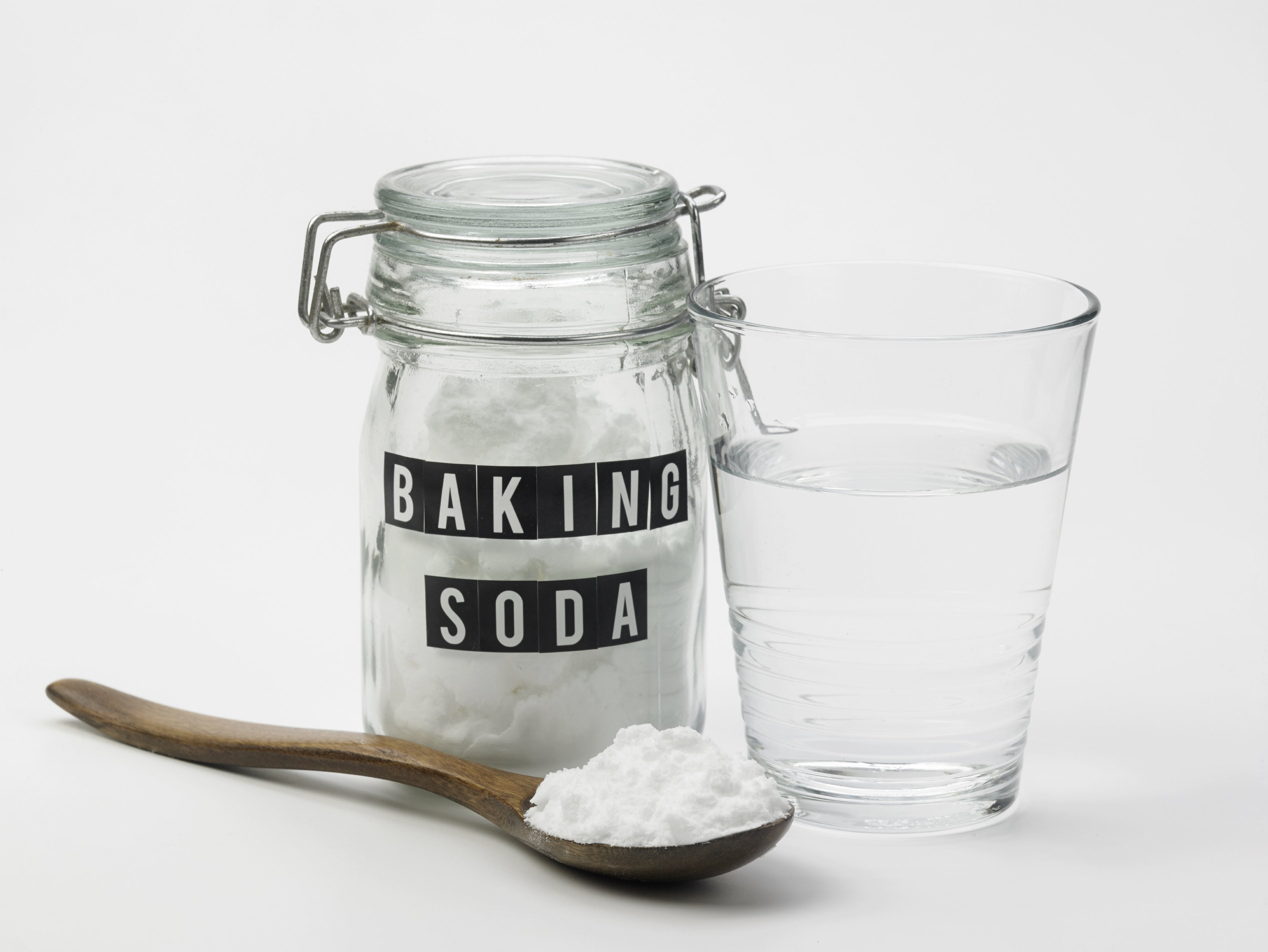
1. Baking Soda + Vinegar:
You probably had no idea that an excellent laundry detergent can be found right in your pantry. It may seem old-fashioned, but baking soda can do wonders for your clothes. For starters, it can make your clothes cleaner and brighter.
Baking soda (also known as sodium bicarbonate) is a natural salt that can neutralize odors and give a shiny appearance to your clothes. As the scented detergents only mask odors with layers of chemicals, baking soda gets rid of odors on clothes by neutralizing them. As the soda makes contact with water, it makes the PH of the environment highly alkaline which in turn neutralizes the acids – the main source of bad odor. In addition, baking soda absorbs oils from clothes, which are also a source of smells.
Likewise, if vinegar is used along with the soda, it will expedite the process and will prove to be a great stain remover. Moreover, the combination will also work as a fabric softener.
Baking soda not only softens water, but it also acts as an effective antiseptic and prevents bacteria growth on clothes.
How to use it?
Add ½ cup of distilled white vinegar and 1 cup of baking soda to a laundry load in your washing machine. The soda can also be sprinkled onto the problem areas of your clothes before running the machine.
Some precautions:
Do not use wool and silk clothes as baking soda might damage the fabrics.
2. Baking Soda + Lemon Juice
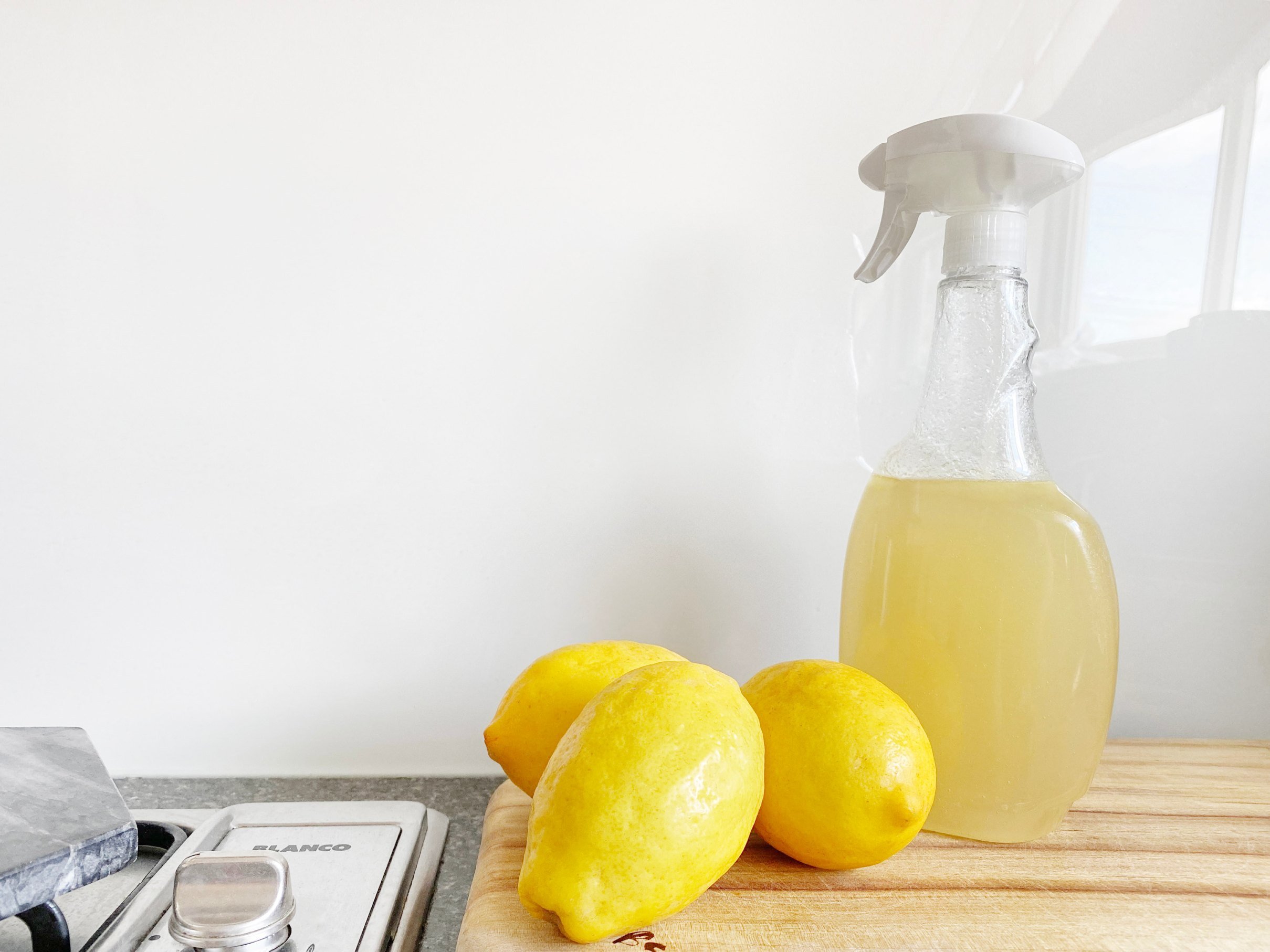
Another sustainable idea is using baking soda and lemon juice as a natural alternative to laundry detergent.
Many people know that baking soda and lemon juice are the go-to combinations for many cookies, cocktails, and cakes. However, these two powerful ingredients are also the greenest replacement for laundry detergents. Lemon is a strong antibacterial and its citrus, tangy smell makes the clothes smell like a scent straight from heaven. The potent cleaning effect the lemon gives leaves many commercial detergents behind in this race.
Baking soda is an equally good option for stripping tough stains from fabric and removing bad odors. An interesting fact about using baking soda and lemon juice for laundry is that it can also extract the venom of insects from clothes. Another one is that you can use lemon juice as a dishwasher detergent.
How to use it?
Measure 1 cup of baking soda in the washing machine drum and squeeze 2-3 lemons (½ cup) in the same drum while setting the wash cycle. Note that the amount of ingredients can vary depending on the load size.
Some precautions:
Do not use wool and silk clothes as baking soda might damage the fabrics.
3. Plain Vinegar
Another proven natural detergent is plain white vinegar. Adding a small amount of vinegar to your wash cycle can do wonders for your laundry. It can whiten and brighten your clothes without the use of any abrasive chemicals.
It is a safe and sustainable alternative to your regular detergent, softens your clothes, and fights tough stains. Plain vinegar is a great example of a homemade laundry detergent and is also a very effective dishwashing liquid.
How to use it?
To brighten discolored and grimy clothes, add 1 cup of vinegar to your laundry load. The clothes will come out shiny, clean, and as new as ever. Use only distilled white liquid vinegar as it is free of harsh chemicals and dyes.
For softening of fabrics, use ½ cup of vinegar in the final rinse cycle. The vinegar will absorb the excess body oils from the fabric, making them very comfortable to wear.
Vinegar is highly compatible with a variety of materials, like cotton, linen, and synthetic fibers.
Some precautions:
Avoid using vinegar with wool, silk, and other sensitive fabrics. Also, do not worry about your clothes smelling like vinegar afterward.

4. Borax
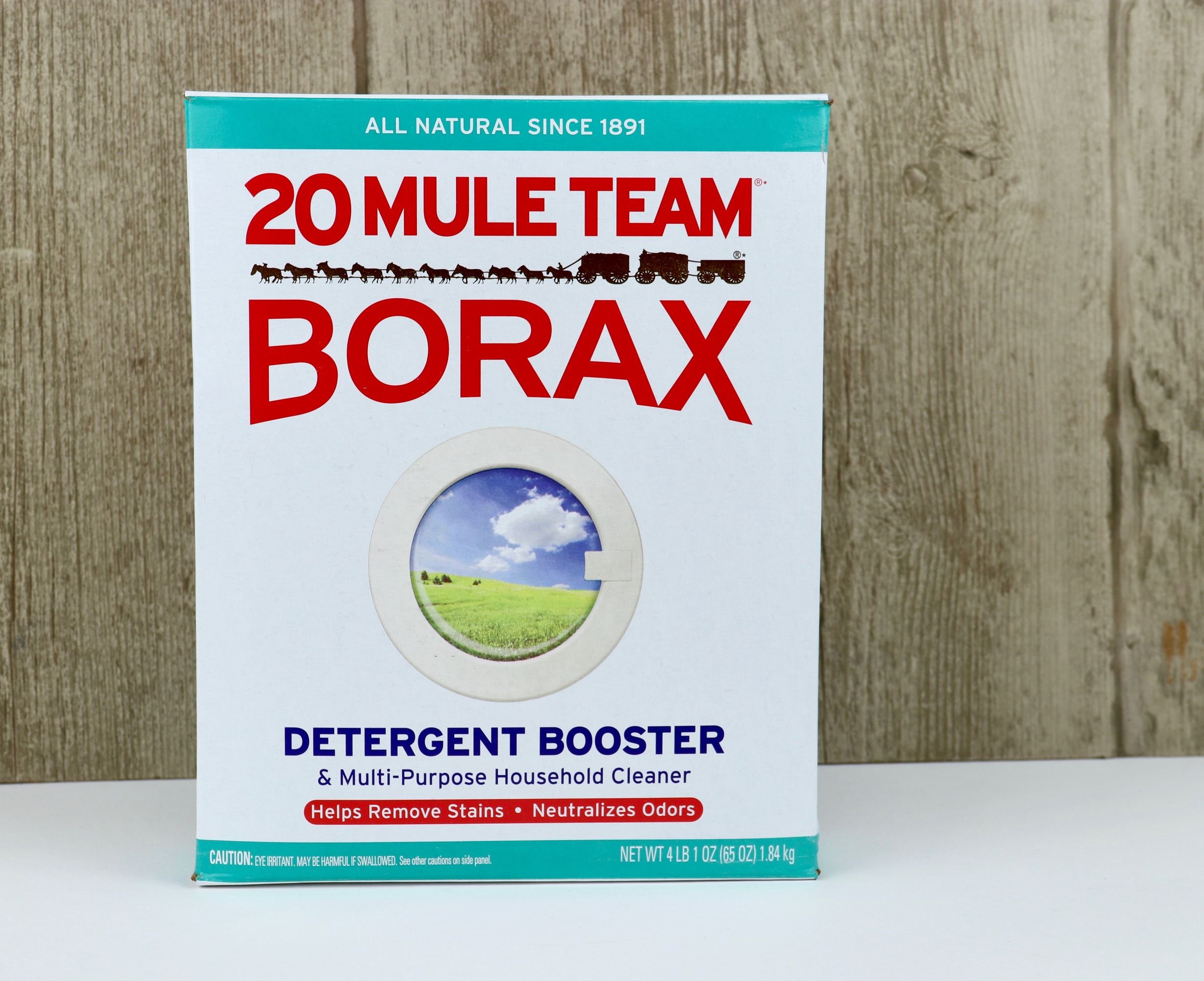
As many slime enthusiasts know, Borax (sodium tetraborate) is an active ingredient in making slime. However, few people know that it is also a great natural alternative to laundry detergent.
Borax is a natural mineral that has been used for thousands of years all over the world. It is a soft, white powdered material that dissolves readily in water. Borax is extremely alkaline which means it creates a highly basic solution in the water that helps to fight acidic stains.
How to use it?
Mix ½ cup of Borax powder with your laundry load. Wash and dry your clothes as usual otherwise.
Some precautions:
Borax is not suitable for delicate or brightly colored fabrics. Also, Borax might irritate sensitive skin – add the powder slowly to avoid spreading it in the surrounding environment. Keep it away from children.
5. Natural Bar Soap
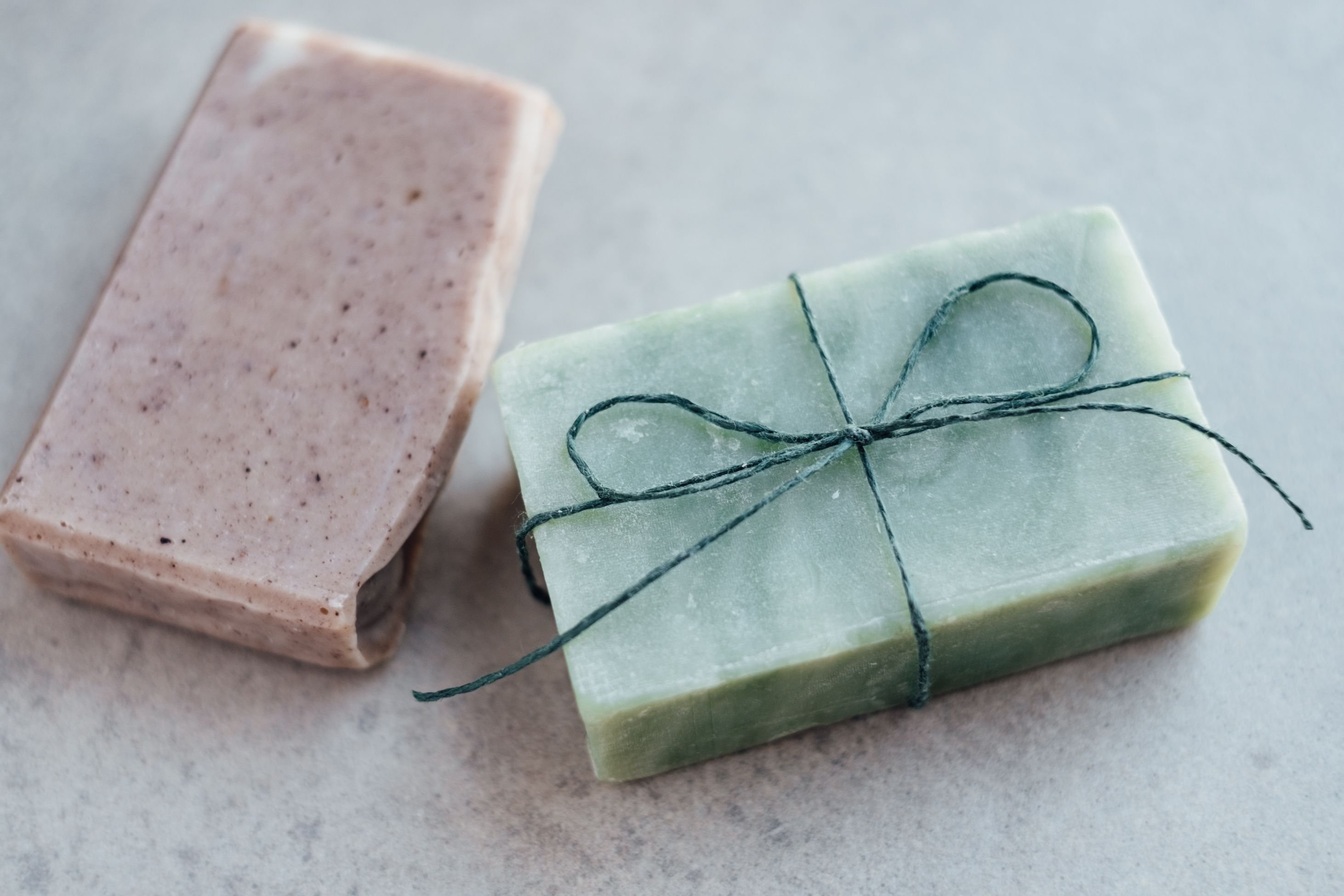
Natural bar soaps are one of the most popular choices for people who do not want to expose their laundry to strong chemicals and want to use sustainable detergent alternatives. These kinds of soaps are generally biodegradable and free from all kinds of synthetic dyes and fragrances.
These soaps are easily available at supermarkets and are relatively inexpensive. Just like regular detergents, they can create lather which removes stains without damaging the fabric. These soaps can range from soap nuts to natural bars with ingredients including washing soda and some oils.
How to use it?
First, wet the soap and soak it in warm water. This would help dissolve the soap. Add the soap to the detergent drawer of your washing machine. The clothes will come out spotlessly clean. Cold water will be less effective with natural bar soaps – use warm or hot.
Some precautions:
Laundry that is not rinsed properly (or a washing machine that produces too many suds) can acquire an itchy feeling. You can add ½ cup of vinegar or lemon juice to remove any soap residue during the rinse cycle.
6. Peroxide for Whites:
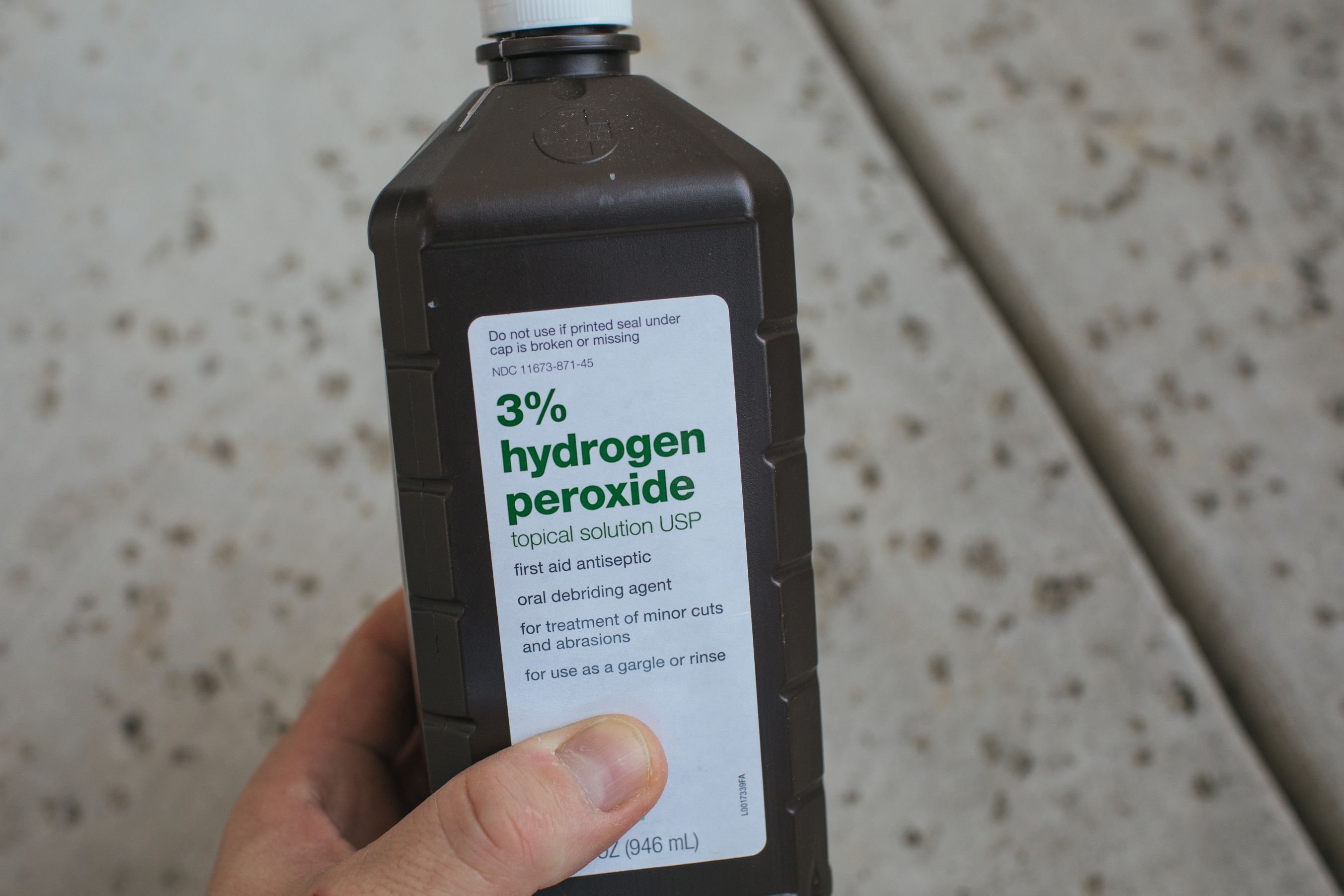
Hydrogen peroxide (usually sold in a brown bottle) is a great natural detergent for your white clothes.
It is an oxidizing agent and is more eco-friendly than other strong bleaches such as chlorine. The solution removes stains, neutralizes odors, and can also disinfect clothes while brightening them.
How to use it?
Measure 1 cup of peroxide in your load of whites and run your washer and dryer like you normally would.
Some notes:
Hydrogen peroxide is usually found as a 3% solution in stores and pharmacies.
Other Ways to Make Laundry Sustainable
Sustainable laundry practices go beyond the laundry detergent you choose. Here are some additional eco-friendly tips:
Bring in energy-efficient washers and dryers
New appliances with higher energy efficiency can be a terrific way to adopt greener practices. In comparison to earlier machines, modern washers and dryers use substantially less electricity and water, making them more sustainable. Such options will not help conserve the environment, but also reduce your utility bills.
Furthermore, to cope with sustainable washing practices, it is also important that you know how often to wash clothes.
Stop extensive ironing
Nobody wants to wear wrinkled clothes, but ironing can be a very tedious task and a burden on utility bills too. To avoid this situation, try to hang up your garments as soon as the wash cycle is over to avoid clothes looking scruffy. This will reduce the time required for ironing later on.
Utilizing full laundry loads
Another crucial aspect of sustainable laundry is running full loads. By engaging in this practice, you don't need to do as many loads – saving time, water, and energy. Additionally, since your washing machine is running as designed, full loads of laundry might assist in preventing wear and tear. This can be a win-win situation for your time, clothes, and appliances.
Choose eco-friendly laundry services
You can easily save time and reduce your environmental footprint by choosing an eco-friendly laundry service, such as Rinse. You can rest assured we will employ many of the above best practices while washing clothes.
The best part about Rinse is that we come to you and pick up and deliver your laundry and dry cleaning– whether it's your favorite suit, athletic gear, or towels.
You can rest assured that your towels will come back smelling fresh and looking great.
Contact us at Rinse today to see our skill in action.

Let’s demystify the world of laundry by breaking down each washing machine cycle! From the every day "Normal" to the specialized "Delicate" and everything in between, we’ll explore the nuances of washers so that each load tailors to your unique laundry needs. By the end of this guide, you'll be a laundry maestro, ensuring that your clothes emerge fresh, clean, and beautifully cared for.
Introduction
Do you ever look at the cycle selector on your washing machine and wonder what that sorcery is? Understanding washing machine cycles can be pretty intimidating, especially with new heavy-duty washing machines that come with all sorts of complex options.
When do you use each washing machine setting? Is there one for delicates or woolens? What is the difference between a pre-wash and a normal wash?
All these questions might have gotten your head spinning. But worry not, we'll guide you through laundry settings on your washing machine. Using the right ones will not only keep your clothes looking good for longer, but it will also help save water and energy.
Keep reading to learn all you need to know about your washer settings!

The 7 Washing Machine Cycles Explained
It's not rocket science, but understanding a new washer or dryer can be tricky. However, irrespective of the washer type, it should have the following wash cycles:
Normal
Unless you're a washing machine guru, you probably use the normal cycle on your washer. Most people are on the same page as you.
The normal cycle is a long cycle that works wonders for everyday clothes, like t-shirts, underwear, socks, pants, and cotton garments. It has high agitation and spins to extract most of the water from the load. As a result, this should be your go-to cycle for laundry, especially if most of your clothes are mixed fabrics, linen, and cotton.
Although the actual wash cycle depends on your washing machine, most washers run for an hour on a normal cycle.
Speed or Quick Wash
Most modern washing machines also have a speed wash setting, which is shorter than the normal cycle. You should use this setting if you're cleaning:
- Lightly soiled clothes
- Clothes that were forgotten in the washer or dryer and need to be rewashed
- Small laundry loads
A quick wash cycle is followed by a high-speed spin cycle to dry clothes faster. On average, the quick wash cycle runs from 15 to 40 minutes.
Heavy Duty
If you want to clean heavily soiled clothes or fabrics like towels, bedding, and linen, you should switch to the heavy-duty cycle. It runs for ~1 to 2 hours, depending on your washer.
There's a speedy spin cycle at the end of the heavy-duty cycle that helps remove most of the water from heavy fabrics.
Bulky
Have you ever struggled with your kids' clothes after they spent the whole day playing outside in muddy puddles and dirty playgrounds? You put the clothes through the normal cycle, but the stains just don't come out?
It's time to switch to the bulky cycle. In this setting, the washer agitates at a lower speed than usual and with larger amounts of water, which helps flush out stubborn dirt from your clothes.
The bulky cycle is also ideal for cleaning larger items like sleeping bags, comforters, and blankets. Do note that the cycle uses more water than usual, so you shouldn't run it too often to avoid overconsumption of resources and hefty utility bills.
Bedding and Sheets
Not every washing machine has a bedding and sheets cycle, but if yours does, you're golden. As the name implies, the setting is suitable for bedding, sheets, and large pieces of clothing like curtains.
If you want to wash curtains or drapes on this setting, we'd recommend checking their labels first. If they are made of delicate materials like silk, satin, or rayon, they might have to be taken to the dry cleaner instead and avoid getting damaged in a washing machine.
Delicate or Hand Wash
The delicate cycle is where the silk and cashmere items come in. It is suitable for lightweight fabrics like wool, sheer nylon, lingerie, hosiery, and other delicate materials.
Your washing machine will use warm or cold water and low-to-no spin for these fabrics. The cycle usually lasts for 1 to 1.5 hours.
Rinse and Spin
If a washing machine cycle does not remove detergent from the clothes, you can run the rinse and spin cycle. It removes residue materials from clothes while also rinsing away excess dirt, bacteria, and sweat.
You can also use this cycle to rinse soiled clothes before putting them in a heavy-duty or bulky cycle.

Decoding Washer Settings
Apart from washing machine cycles, there are a few other settings you should be aware of:
Water Temperature
Back in the day, you'd have to put dark and bright colors in cold water and whites in hot water. Nowadays, things are different. Modern detergents can clean pretty much any fabric with cold water. But sometimes, you will need hot water.
Hot water works for grease-stained, heavily soiled clothes, bed linens, and white cotton. Just make sure the temperature does not exceed 140°F (60°C) for most fabrics.
For regular laundry, stick to cold water.
Spin Speed
The spin speed of a washing machine is measured in revolutions per minute or RPM. A "revolution" is one full rotation of the drum. The faster the spin, the more water will be removed from the clothes.
A lower RPM is best for delicate items like lingerie. Higher RPM is recommended for towels, jeans, and similar clothes.
By default, washing machines are set to 1200 RPM-1400 RPM. This is suitable for most fabrics and wash cycles.
Soil Level
The soil level is the level of soil or dirt on your clothes. It differs across washing machines, but generally, you have the option of choosing between low, medium, and high. Choose the settings based on how dirty your clothes are.
Water Level and Auto Sensing
A standard top-load washer uses between 30 and 45 gallons of water in each cycle. But if you get an Energy Star-certified washing machine, you'll save a lot of water. It will use approximately 14 gallons in each cycle.
Most washing machines have an auto-sensing setting where they measure the load and adjust the water level accordingly. Alternatively, you can increase the water level manually for heavier loads and reduce it for lighter ones.
Steam Clean
The steam clean setting on your washer removes grime and stains from the clothes while reducing wrinkling and the risk of shrinking. Use this setting to sanitize your clothes or remove musty smells from them.
Extra Options
Some newer washers have additional options like pre-wash, soak mode, delayed start, and sanitize. Although most of them are self-explanatory, we'll explain a few:
- OptiWash: A feature in Samsung washers, OptiWash uses an advanced algorithm to get the most out of each load. It adds more laundry detergent or time (to the cycle), depending on how soiled your clothes are.
- Delayed Start: By selecting this option, you can set your washer to delay its start for a pre-arranged cycle. For example, if you want your washing machine to run a cycle while you're at work the next day, you can set it to start when you're away.
- Pre-Wash: It's a cold water cycle that helps remove any dirt and stains before the main wash cycle.
- Eco-Mode: When you turn on this mode, the washer automatically adjusts the cycle time, water level, and temperature to conserve energy.
- Soak Mode: In the soak mode, the clothes stay soaked in detergent water for some part of the cycle before the actual washing starts. For instance, according to Samsung, in a 42-minute wash cycle, 15 minutes will be the actual washing time, while the garments will be soaked for the initial 27 minutes.

More Expert Tips with Rinse
Understanding everything from laundry symbols to agitator settings and washer cycles will help you wash your clothes properly and save energy. Part of the reason your favorite cardigan gave up on you might be because of an improper wash routine.
The best way to ensure the longevity of your clothes is to use the right washer cycles every time. More importantly, follow the manufacturer's instructions on the tag.
It may seem like doing laundry is an art and learning to do it properly can take time. If you need any assistance, check out Rinse's expert advice for more. However, if you don't have time for laundry or simply want to give yourself a weekly treat, consult our professional laundry service for a hassle-free experience.
Contact us at Rinse today to see our skill in action.

Have laundry or dry cleaning to do?
Rinse picks up, cleans and delivers 7 days a week. Amazingly awesome. Ridiculously simple.

Do you want to know the secrets behind the pricing of laundry services and what truly influences the bottom line? From location and service type to quantity and added perks like folding and ironing, we dissect the factors determining the cost of outsourcing your laundry. But it's not just about dollars and cents; this article will show you how to make the most of your investment using laundry services efficiently. Read on to learn why choosing a laundry wash and fold service can be a game-changer.
Introduction
Gone are the days when a laundromat or the laundry room in your apartment complex were the only options for washing clothes if you did not have a washing machine at home. Today, you can access a cleaning service through the web or an app.
Laundry services have made washing clothes a breeze, especially since they also offer pickup and drop-off services. All you have to do is pack your dirty laundry and hand it to them.
More importantly, the service will be proficient in treating different types of fabrics and will make sure that all your items are washed according to their instructions. They're also familiar with dryer settings, proper use of fabric softener, washer settings, laundry machine modes, and everything else that comes with washing clothes.
With the rising demand for laundry services, people are increasingly curious about how much it costs. Let's take a look at prices and factors that can affect them.
How Much Does Laundry Service Really Cost?
There's a common misconception that using a laundry service is only for the rich. That's not true – it can be an occasional indulgence for pretty much everyone or used for emergencies.
So, how much does laundry service cost? In most areas, you will pay about $1.50 per pound of laundry. A typical laundry load will be between 10 to 20 pounds, bringing the total cost per load to range from $15 to $30.
If you live alone, you should expect to have at least one load of laundry a week, sometimes two – you can expect to pay about $60 to $120 per month.
For a family of three or four, this could increase to $200 or $300, depending on the frequency of use and the weight of the loads.
Some additional factors that affect the cost are:
- Location: Some geographies tend to be more expensive than others. If the cost of living is high in your area, expect to pay more for laundry service. Examples of such regions include large cities like New York, Los Angeles, and Chicago.
- Service Type: Are you dropping off the laundry? Or is someone coming to pick it up? The latter will of course cost more since it includes delivery service.
- Additional Services: Most laundry services don't merely limit themselves to washing clothes. They also offer other services like drying, ironing, folding, and deodorizing. The cost will be higher if you include these services.
Cost of Doing Laundry At Home Or a Laundromat
So how does this compare to doing laundry the old-fashioned way? Doing laundry at home will cost you about $2 to $3 per load, mostly for the laundry detergent. At this price, you might do two loads a week, resulting in a monthly spend of $16 to $24.
That's much cheaper than using a laundry service. However, keep in mind that you have to pay the upfront cost of buying a washing machine and a dryer. Plus, this pricing does not include the cost of water and electricity you will be using.
Washing clothes at a laundromat can offer more flexibility than laundry service or in-home laundry. You can wash and dry multiple loads at the same time. At an average cost of $3 to $5 per load, you will spend $24 to $40 per month if you do two loads of laundry a week.
You can save a significant amount of money by doing laundry at home or a laundromat. However, it requires effort and time, which you may not have to spare. Also, the initial purchase and upkeep of washers and dryers should not be overlooked.
So, it truly is okay to treat yourself to a fresh load of laundry from a professional service every once in a while. At the very least, it will give you an extra two hours a day to spend on things you enjoy, rather than washing clothes.

Using Laundry Services Efficiently
We've already established that laundry services can be more expensive than traditional methods of cleaning your clothes. However, you can still take advantage of the convenience and quality of the service while being efficient. Here are some tips:
Optimize Your Loads
What do we mean by this? Simply put, try to get the most out of each wash and dry cycle. Don't just put in a few items for a load. Try to fit as many clothes as you can in the laundry bag provided by the service.
However, don't go overboard. If something is just a little dirty, you can just soak it with detergent and warm water to scrub it clean at home. Leave the soiled and heavily stained items for the wash and fold service.
Choose The Right Service
Do your research and find a laundry service that offers quality at the best prices. Check out reviews online to see what other customers have experienced with the services before making any commitments.
Look For Promotions And Deals
Most laundry services offer promotions to new and existing customers. Deals and discounts are also available quite frequently, so make sure to look out for them.
They can help you save a lot on your laundry bills, especially during the holiday season. For instance, Rinse gives you $20 off your first order. It's an excellent way to start trying out our service and experience the convenience for yourself.
Avoid Getting Additional Services
We know ironing is a bore, but what if you play your favorite playlist or podcast while going through the batch? The more services you get from a laundry service, the higher the bill will be.
So, if you can do something yourself, skip getting it done by professionals and save money in the process.
Why Choose a Laundry Wash and Fold Service
Traditional laundry methods may save money, but they come with a hassle and time tradeoff. A laundry wash and fold service can take this tedious task off your hands and give you more time to focus on other important things.
Outsourcing your chores is not only a form of self-care but also ensures that those activities will be done by professionals who are experts at what they do.
Professional laundering is also beneficial for those who are not confident in their laundering skills or don't have access to heavy-duty laundry machines. For instance, Michelle M., a Chicago resident who uses Rinse's laundry service, remarks that she loves how all clothes come packed properly: ''Towels in one pack, socks and underwear in another pack''.
Whether it's dry cleaning or launder-press, a professional touch can make all the difference in how your clothes look and feel. You no longer have to worry about missing a dryer sheet, running out of fabric softener, dealing with a malfunctioning dryer, or struggling to clean dirty laundry after a camping trip.
With Rinse, you can sit at home and relax while a Valet comes to pick up, launder, press, and deliver your clothes at your convenience.
Schedule your first pickup today!
Topics
Rinse Drop
We offer pickup and delivery if you can’t be present between 8pm and 10pm.
Our Valet will pick up or deliver your order to your doorstep or concierge, at which point you’ll receive a text with a photo showing where your items were left.
You can enable Rinse Drop on any (or all) of your orders.