Time
Hacks and how-to guides to make life easier.

This article shares the recipe for creating your first homemade laundry detergent. It highlights the eco-friendly edge and skin-friendly benefits, making this a go-to option for those with sensitivities and allergies. Follow this guide for a seamless creation process, and don't forget to add your signature touch with essential oils. Get ready to revolutionize your laundry routine with Rinse!

Introduction
The surge in popularity of laundry detergent made at home reflects a broader shift towards natural and eco-friendly cleaning products. More and more people are recognizing the benefits of crafting their own cleaning solutions, not just for cost savings but also for the ability to tailor the detergent to their preferences. In this guide, we'll walk you through the process of making your very own homemade laundry detergent, highlighting its affordability and customization options. Join the ranks of those revolutionizing their laundry routine with Rinse!
Why Make Homemade Laundry Detergent?
When it comes to laundry detergents, the options lining store shelves seem endless. However, the choice isn't always clear-cut, especially for those who prioritize eco-friendliness and skin-friendliness. This is where homemade laundry detergent steps in, offering a host of advantages that are worth exploring.
1. Eco-Friendliness:
One of the primary advantages of crafting your laundry detergent is its positive impact on the environment. Unlike commercial detergents, homemade versions typically use fewer harsh chemicals and are often biodegradable. This eco-friendly edge ensures that your laundry routine doesn't harm the planet.
2. Reduced Exposure to Chemicals:
For individuals with sensitive skin or allergies to certain fragrances and chemicals, commercial laundry detergents can be problematic. Homemade detergent allows you to tailor the formula to your specific needs. By carefully selecting ingredients, you can minimize exposure to potentially irritating or harmful substances.
3. Customization:
Perhaps one of the most appealing aspects of homemade laundry detergent is its customizability. You have the freedom to experiment with different ingredients and scents, ensuring that your laundry smells just the way you like it. From choosing essential oils to adjusting the detergent's strength, the possibilities are endless.
4. Cost-Efficiency:
Homemade laundry detergent is not only skin-friendly and eco-friendly but also budget-friendly. Many of the ingredients required are cost-effective and can last for numerous laundry cycles. Creating your detergent at home can lead to substantial savings over time.
5. Tailored to Your Preferences:
When you make your laundry detergent at home, you're the chemist. You get to choose the ingredients and their quantities, giving you complete control over the formula. This allows you to create a detergent that caters to your preferences. Whether you prefer a particular scent or a specific level of cleaning power, homemade detergent can be customized accordingly.
6. Ideal for Sensitive Skin:
People with sensitive skin often struggle with commercial detergents, which may contain harsh chemicals and fragrances. Homemade detergent offers a gentler alternative. By selecting skin-friendly ingredients and avoiding irritants, you can ensure that your laundry is kind to your skin.
7. Allergen-Free Options:
Allergies to specific chemicals or fragrances are not uncommon. With homemade detergent, you can eliminate potential allergens and create an allergen-free solution. This is particularly crucial if you or your family members have known allergies or sensitivities.
8. No Unwanted Additives:
Commercial detergents may contain additives that you'd rather avoid. By making your detergent, you can say goodbye to unwanted ingredients and chemicals. This provides peace of mind, knowing exactly what goes into your laundry.
In the subsequent sections of this guide, we'll delve into the step-by-step process of making your homemade laundry detergent. We'll explore the essential components, such as Fels-Naptha soap, baking soda, and more. Say goodbye to commercial detergents with questionable ingredients and join the ranks of those who have embraced the DIY laundry revolution.

What You'll Need
Creating your DIY laundry detergent is a relatively straightforward process that requires a few key ingredients and materials. Let's dive into what you'll need to get started:
-
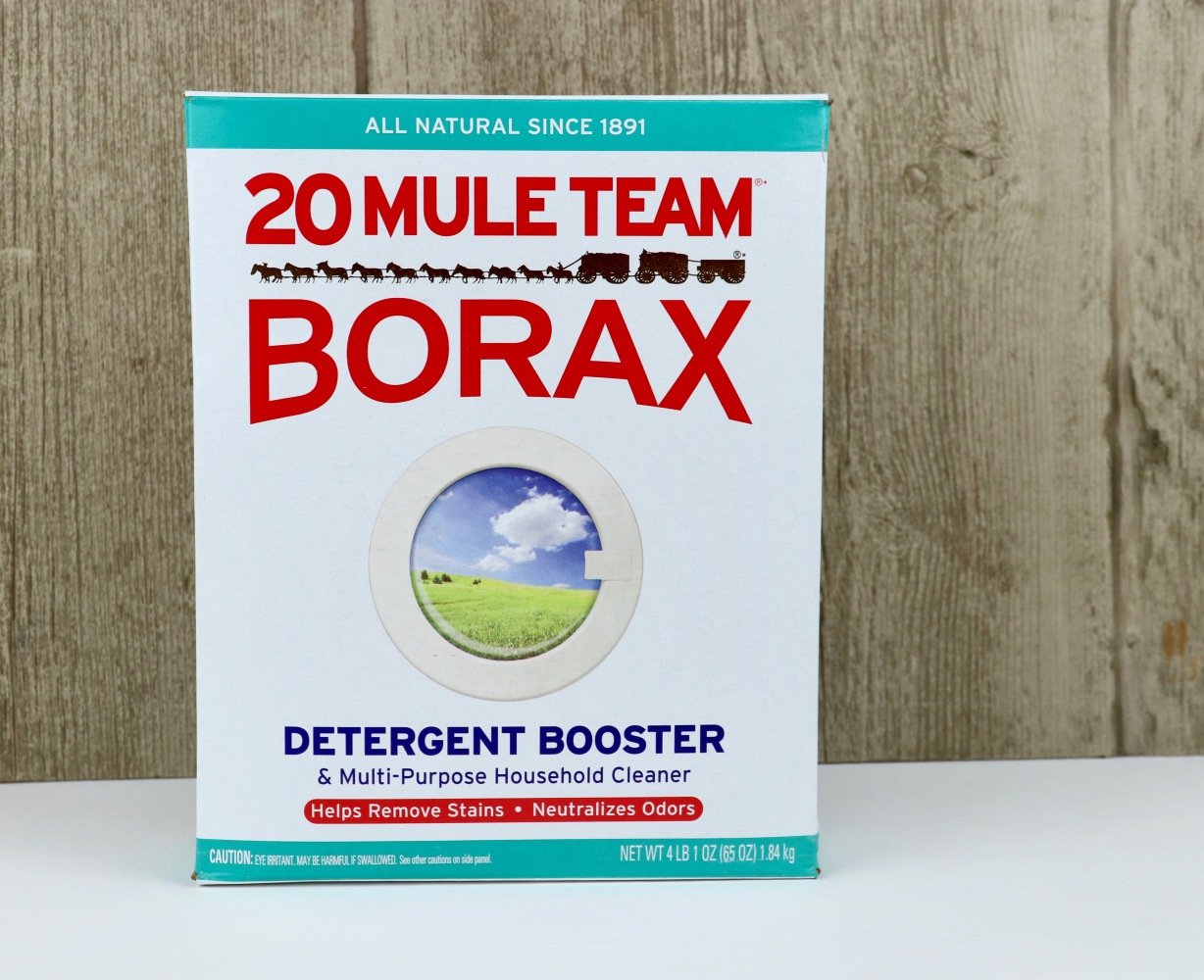
Borax (1 cup): A natural mineral, is a staple ingredient in many DIY detergent recipes. It enhances the cleaning power of your detergent and helps break down stains and odors effectively.
![unnamed file]()
-
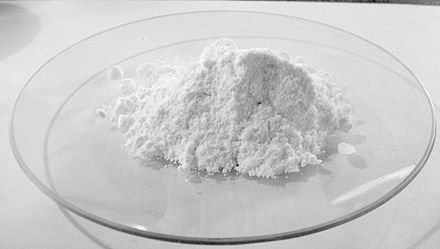
Washing Soda (1 cup): Also known as soda ash or sodium carbonate, is another essential component. It acts as a water softener, aiding in the cleaning process and preventing mineral buildup in your washing machine. Note it is not the same as baking soda. You will require 1 cup.
![unnamed file]()
-
Pure Bar Soap or Castile Soap (1 cup): The soap component provides the cleaning action in your detergent. You can choose from a variety of options and brands, including Fels-Naptha, Zote, Castile soap, or other pure bar soaps. Each brings its unique scent and properties to your detergent.
![unnamed file]()
- Water (15 cups): While you can use tap water, distilled water is ideal as it does not contain any contaminants.
-
Essential Oils (Optional, 50 drops): Adding essential oils is entirely optional but allows you to customize your detergent's fragrance. Lavender, eucalyptus, lemon, or tea tree oil are popular choices. These oils can also impart antibacterial properties to your detergent.
-
OxiClean (Optional): For an extra cleaning boost, you can include OxiClean or a similar oxygen bleach product. This is particularly helpful for tackling tough stains and brightening whites.
-
Powdered Laundry Detergent Container: You'll need a container to store your powdered detergent. Ensure it's airtight to prevent moisture from affecting the quality of your detergent.

You will also need a large saucepan that can hold 15 cups of liquid, as well as a storage jar (1 gallon-size).
Now that you know what you'll need, let's move on to the step-by-step process of creating your homemade laundry detergent. With these ingredients in hand, you're well on your way to a more eco-friendly, skin-friendly, and cost-effective laundry routine.
How to Make Laundry Detergent at Home
1. Boil the Water
Boiling water is the first step in creating your homemade laundry detergent, and it serves a crucial purpose in the process. By boiling water, you ensure that all the ingredients mix effectively, creating a uniform detergent mixture.
Start by boiling 6 cups of water in your saucepan. Exercise caution, and make sure to handle boiling water carefully.
2. Measure and Mix the Ingredients
Add the cup of Borax and the cup of washing soda, stirring them together as they dissolve in the boiled water. Add 9 cups of room-temperature water and your cup of soap. Mix them all together.
3. Let It Cool Down
After combining the ingredients, it's essential to allow the mixture to cool down. This cooling period is necessary for the detergent to reach the desired consistency. Wait 5-10 minutes and then transfer the soap into your gallon-sized jug. If your jar is not heat-safe, wait until the soap has fully cooled down.
4. Add Essential Oils for Scent
One of the joys of making homemade laundry detergent is the opportunity to customize the scent. Essential oils are a popular choice for adding a delightful fragrance to your detergent. Lavender, eucalyptus, lemon, and tea tree oils are some examples of essential oils commonly used for laundry purposes.
The quantity of essential oils you add can influence the strength of the fragrance and is fully up to you, but we recommend 50 drops.
5. Store Properly
To maintain the quality and effectiveness of your homemade laundry detergent, proper storage is crucial. Make sure your container is airtight to prevent moisture from affecting the consistency of your detergent and to preserve its fragrance and cleaning properties.
By following these steps, you'll create a homemade laundry detergent that is both eco-friendly and skin-friendly, making it an excellent choice for individuals with sensitivities and allergies. Enjoy the benefits of this DIY approach to laundry!
Embracing Sustainability with DIY Laundry Detergent
As you've embarked on the journey of creating your homemade laundry detergent, it's crucial to recognize the remarkable sustainability benefits that come with it. This eco-friendly alternative not only cleans your clothes effectively but also contributes to a greener and cleaner planet.
- Environmental Impact: One of the primary reasons people turn to DIY laundry detergent is to reduce their environmental footprint. Commercial laundry detergents often contain chemicals that can harm aquatic ecosystems when washed down the drain. Homemade detergent recipes use eco-friendly ingredients, minimizing their impact on the environment.
- Reduced Packaging Waste: When you make your detergent at home, you're also reducing packaging waste. Think about all those plastic bottles and containers that commercial detergents come in. By reusing the same container for your homemade detergent, you significantly cut down on plastic waste.
- Customization for Sustainability: Another remarkable aspect of making your laundry detergent is the ability to customize it. You can experiment with different ingredient combinations and scents to find a formula that best suits your laundry needs while aligning with sustainability goals.

A Final Thought
Incorporating homemade laundry detergent into your laundry routine is a small but impactful step toward a more sustainable lifestyle. As you strive to reduce your carbon footprint, every eco-friendly choice matters.
While DIY detergent is a fantastic option, if you're looking for a hassle-free way to embrace sustainability in your laundry routine, consider Rinse. Rinse offers a sustainable and convenient laundry solution that ensures your clothes are cleaned with care for the environment. It's an excellent alternative for those who want eco-conscious laundry without the DIY effort.
So, whether you choose to continue making your detergent at home or explore using Rinse, remember that your laundry choices can play a part in creating a greener future for all of us.
Contact us at Rinse today to see our skill in action.

Uncover the benefits of a well-organized chore list for fostering household efficiency and harmony. From daily bed-making to monthly deep cleaning, we got you! Explore the different types of tasks, including laundry, cleaning, and organization, and learn how to streamline your chore management to find more time to focus on the essentials.
Introduction
Household chores seem to be a never-ending life task that is more overwhelming than tedious. It doesn't take too long to get your home in order, but just seeing a mess and disorder can make you want to procrastinate for as long as humanly possible.
But procrastination is not the solution. Instead, if you make a well-organized chore list, you can tackle all your household tasks more effectively.
Think of it like a to-do list but for house chores. It could include your cleaning schedule, a weekly grocery run, laundry, daily vacuuming, floor scrubbing, lawn upkeep, tending to the garden, etc.
Below, we provide a chore list that you can use as a reference or inspire you to create one for yourself. Trust us on this – the more efficient you are, the more extra time you can have for yourself.
Why You Need a Household Chores List
You have a house to maintain, a toddler to look after, and a part-time job in the evening. How do you manage? Surely not with a haphazard schedule in your head that leaves you feeling overwhelmed and unmotivated.
A chore list could be just the solution. It shows you all the tasks you need to do on paper, lowering your mental burden. Instead of having to remember every house chore you need to do, you can just refer to your list.
Plus, marking off items on a to-do list is just so endorphin-boosting! The more chores you tick off, the better you feel.
The most notable benefit of a chores list is that you can delegate tasks. Now that there's a log highlighting what needs to be done, you don't have to do everything alone.
For example, you can delegate certain tasks to your partner. Then, share tasks with your children, too. Everyone can pitch in – yes, even your preschooler. Some age-appropriate chores for your little one include picking up toys, setting the table, wiping counters, and helping with laundry. It's also great parenting because you're teaching them a life skill.
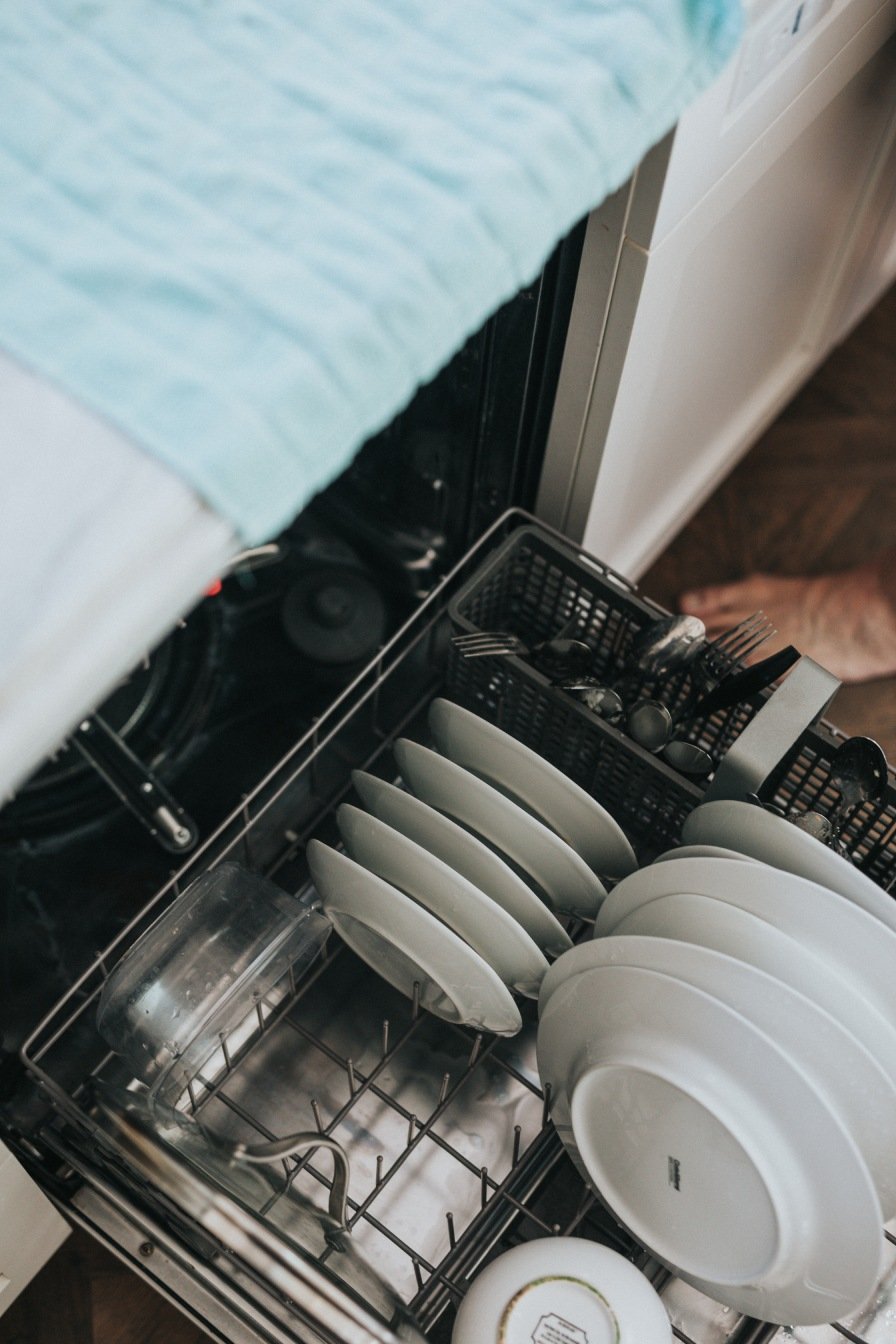
A house chore list also ensures the timely completion of all tasks. You won't have laundry on your chair from two weeks ago or dishes gathering mold in the sink. If you follow the cleaning checklist, you'd have accomplished every task on the list by its respective timeline.
Finally, a chore chart reduces stress – there's less for you to worry about. You know what needs to be done and who's responsible for each task. Everything goes well this way.

The Frequency of Household Chores
You have to make your bed daily and declutter the kitchen daily. But you don't have to put away the groceries every day. Similarly, your home may need a deep clean every month, but light cleaning is an everyday chore.
So, when making a chore chart, distribute tasks by frequency. Which ones do you need to do daily? Which are done weekly or monthly? Let's look at each type individually.
List of Daily Chores
These are the household chores you need to do daily. Here's a daily chores list to consider:
-
Making the beds
-
Washing the dishes
-
Sweeping the floors
-
Taking out the trash
-
Wiping down countertops and surfaces
-
Packing school lunches
-
Meal prepping
-
Walking the dog(s)
-
Feeding the pets and providing them with fresh water
-
Decluttering living spaces
-
Checking the mail
These are just the tasks included in housework. Some tasks are personal, too. For example, if you go to college, your additional chores may be to sort your books and notes. If you have a toddler, you may be in charge of their bath time and nightly reading session.
The key to completing daily household chores is to make them a habit. If you can make them part of your routine, it'll be easier to keep up with them. For example, you can make your bed as soon as you wake up or wash dishes right after each meal.
List of Weekly Chores
Here are the tasks you need to do every week:
-
Cleaning the bathroom(s)
-
Doing laundry
-
Grocery shopping
-
Watering plants
-
Mowing the lawn
-
Changing towels and bed sheets
-
Dusting window sills and shelves
-
Mopping floors
-
Spot cleaning upholstery
-
Vacuuming carpets and rugs
These chores require more time and effort compared to daily tasks. However, it's best to break them down into smaller tasks throughout the week. For example, you can do laundry on a specific day, clean the bathroom on another day, and so on.
Don't try to do all these tasks on the weekend. You won't find time to relax if you do.
Involve the whole family in weekly tasks. One person does the grocery, the other takes it out of the car, and another puts it away in the fridge and pantry.

List of Monthly Chores
The monthly chore list includes the following:
-
Deep cleaning the fridge, oven, and microwave
-
Clearing out the pantry and fridge of expired items
-
Washing mirrors, windows, and doors
-
Cleaning ceiling fans and light fixtures
-
Dusting furniture
-
Washing curtains, bedding, and pillows
-
Disinfecting and cleaning garbage bins
-
Bathing the dogs and other pets
-
Vacuuming the car
If you have a garden, you may also want to weed it out and prune plants at least once a month. You might also have to sweep the pathways around the garden, so that's another chore on your list.
Besides garden care, you should also perform vehicle maintenance every month. For instance, clean your car, both inside and outside. Change the oil if needed. Also, check tire pressure and refill any fluids as required.

Household Chores by Type
Besides frequency, you can also categorize household chores by type. Some types include deep cleaning, laundry, organization, child care, shopping, etc. People with special needs or large families may also have to do additional chores, such as administering medication or preparing meals.
Again, you can create your lists based on your needs. Here's our standard list as a reference.
Laundry Chores
These are all the chores related to laundry:
-
Sorting laundry and pretreating stains
-
Washing, drying, and folding clothes
-
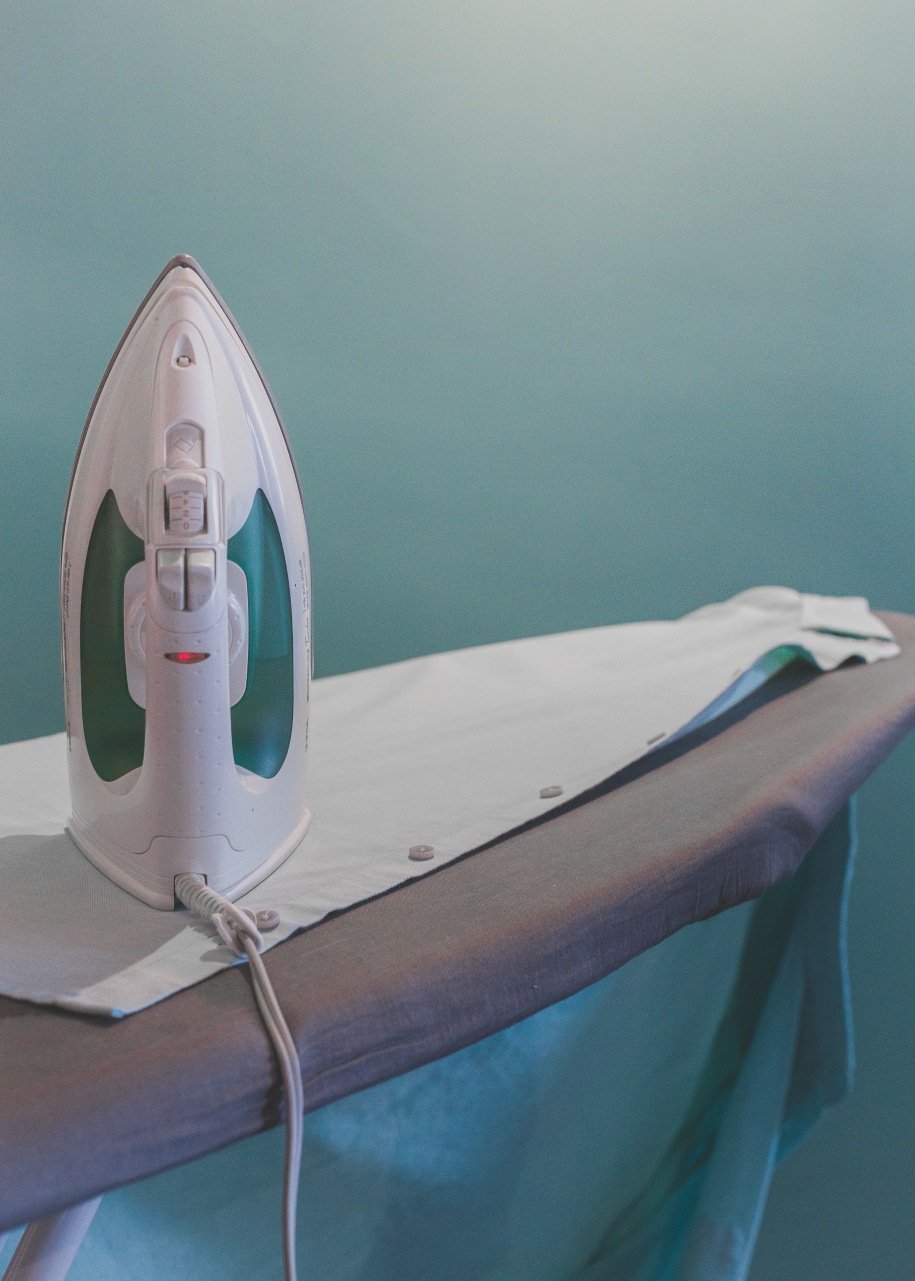
Ironing garments
-
Storing clean clothes
- Keeping laundry room organized
How many and how often you do these tasks depends on how many people live in your house. Some families prefer to do one load of laundry each day, while others choose a specific day for all their laundry.
You may have additional laundry chores if you're an adventure enthusiast or if you have a baby. For example, if you camp or hike a lot, you'll have your gear and sleeping bag to wash. Parents with babies will have to wash bibs and extra baby clothes.
Cleaning Chores
Here are some standard cleaning chores:
-
Mopping and sweeping the floors
-
Scrubbing the toilets, sinks, bathtubs and showers
-
Dusting shelves and surfaces
-
Cleaning windows and mirrors
-
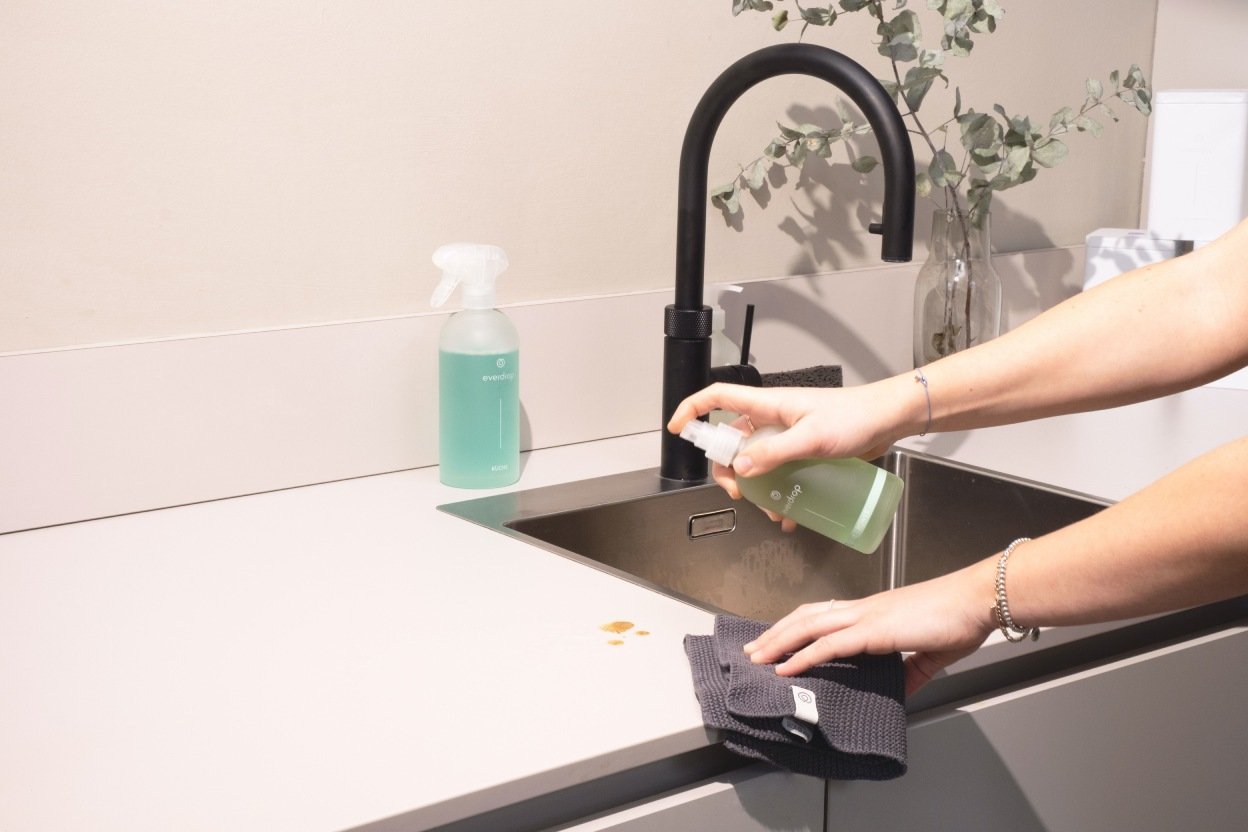
Cleaning the kitchen (countertops, stovetop, oven, microwave)
-
Taking out the trash and recycling
-
Sanitizing high-traffic surfaces like doorknobs, light switches remotes, and door handles
The cleaning chore chart should be on the fridge. Print out a new one every week or month based on your cleaning frequency. Specify things like how often to sanitize dirty surfaces, dust shelves, wipe counters, or tidy up the kitchen. Also, write the names of the people responsible for those tasks before the chore.
Or, you can create a Google Sheet and share it with your family or roommates. Make sure everyone updates their progress regularly.
Organization Chores
These are more involved and happen less often. But then again, it all depends on your lifestyle. If you have kids or pets, you'll be organizing something pretty much every day. Similarly, if you're a neat freak, this might be your daily grind.
Some organization chores include:
-
Organizing the drawers and closets, including kitchen cabinets
-
Sorting through piles of clutter and paperwork
-
Rearranging furniture
-
Donating or selling unused items
-
Putting away seasonal clothing and decor
-
Labeling storage containers to find what you need easily
As you can see, organization chores aren't something you'd do daily. You can do them on a free weekend or during holidays when you have more time.
Depending on your lifestyle, it's best to let everyone do their own set of organization tasks. For example, if you have grown kids, they should organize their closets themselves. After all, they're the ones who have to scour through their stuff when looking for something.
Likewise, the person who cooks in the house should be responsible for organizing the kitchen cabinets and pantry. It will make their cooking process much smoother and faster if they know exactly where everything is.
Everyone should make bags of items they want to donate. Then, one person can drop them off at the donation center.
When you work together, things get done faster. It's not only unfair for one person to do everything, but it also creates chaos. Plus, the person responsible for everything will always be stressed and overwhelmed, which is a huge no-no.

The Secret for a Clean, Organized Home
Having said all that, it's quite clear that proper organization is the key to a well-managed home. Having and following a chore list just makes things easier and more manageable. It also reduces your mental and emotional toil.
Every once in a while, it helps to outsource your chores. There's nothing wrong with taking a break or treating yourself to a cleaning service or professional organizer. For example, if you've had a long week and don't want to mop, scrub the baseboard, clean the dishwasher, or vacuum the carpet, you can hire someone to do it for you.
Similarly, when you're creating a spring cleaning checklist for your home, see if there are tasks you can outsource. For example, you can hire professional laundry services for washing bedding, curtains, seasonal clothes, towels, etc.
Rinse is a professional laundry service that picks up laundry from your doorstep and drops it there afterward. Thanks to Rinse's expertise in washing all sorts of fabrics and items, you don't have to worry about your whites getting stained or the down in your comforters getting ruined.
Contact us at Rinse today to see our skill in action.

Learn about the sustainable magic of dryer balls as an efficient, chemical-free alternative to traditional fabric softeners and dryer sheets. This article explains their composition, functionality, and benefits and shares best practices for utilizing them effectively in your laundry routine. Simplify your laundry care while embracing a more sustainable approach with Rinse.
Introduction
In the realm of laundry, innovation often takes center stage in the quest for efficiency, sustainability, and eco-friendliness. One such novelty that has been making waves is the humble, yet remarkable dryer ball – an eco-friendly and efficient alternative to traditional fabric softeners and dryer sheets.
These tennis ball-sized wonders are alluring in their simplicity and sustainability. Unlike conventional laundry products, dryer balls offer a chemical-free and environmentally conscious approach to laundry care.
With the ever-increasing emphasis on sustainable living and eco-conscious choices, interest in adopting greener laundry practices is also rising. This is where dryer balls enter the spotlight. They are at the forefront of a laundry revolution that prioritizes both the well-being of your clothes and the health of our planet.

What are Dryer Balls
Wool dryer balls are simple yet ingenious laundry aids can be made from natural materials such as rubber, but wool is most common. The latter material is very effective due to its exceptional properties: absorbency, durability, and ability to withstand heat.
The wool yarn is expertly wound and felted to create compact and dense spheres. This process results in the formation of solid and smooth balls that are gentle on clothes. The absence of chemicals and additives makes them a healthy choice for your laundry, with brands such as Woolzies and Friendsheep specializing in this department.
How Do Dryer Balls Work
But how do these unassuming balls of wool or rubber work their sustainable magic? The secret lies in their role during the drying process. As your laundry tumbles in the dryer, the dryer balls come into action. They create space between your clothes, preventing them from sticking together and facilitating better air circulation.
This enhanced air circulation leads to more efficient drying, ultimately reducing the time needed in the dryer, and therefore, energy consumption. As your clothes dance with the dryer balls, they also experience gentle agitation, which helps prevent the formation of wrinkles and the annoying problem of static cling.
Incorporating dryer balls into your laundry routine means saying goodbye to the need for fabric softeners or dryer sheets. They naturally fluff and soften your clothes, leaving them with a fresh, clean scent, but leave out the synthetic fragrance.
For those with sensitive skin or a preference for unscented laundry, dryer balls are a game-changer. They eliminate the need for chemical-laden products, ensuring that your laundry comes out soft, static-free, and smelling like nothing but clean.

How to Use Dryer Balls
As we dive deeper into the sustainable wonders of dryer balls, it's crucial to understand not only what they are but also how to effectively incorporate them into your laundry routine. Here's how to make the most of them:
-
Load Size Matters: The number of dryer balls you use should align with the size of your laundry load. For small loads, two to three dryer balls are usually sufficient. For larger loads, consider adding more to ensure that every garment benefits from their magic.
-
Fabric Compatibility: While dryer balls are versatile, they perform best with natural fibers like cotton and wool. These fabrics tend to benefit most from the gentle agitation and enhanced air circulation provided by the dryer balls. For synthetic fabrics, you can still use dryer balls, but the results may vary.
-
Desired Softness: Achieving the level of softness you desire is within your control when using dryer balls. If you prefer extra softness, simply add a few drops of your favorite essential oil to the dryer balls before use. This way, your laundry not only comes out soft but also lightly scented with a fragrance you love.
-
Different Types of Laundry: Dryer balls are versatile enough to work well with various types of laundry. For towels and bedding, which tend to get stiff, dryer balls are a true hack. They help maintain the fluffiness of your towels and bedding, leaving them soft and inviting.
-
Efficient Circulation: To maximize the effectiveness of dryer balls, ensure that your laundry load is well-balanced weight-wise. A balanced load allows the dryer balls to circulate freely among your clothes, creating the necessary space for optimal air circulation and efficient drying.
Benefits of Using Dryer Balls
Now that we have a handle on what dryer balls are and how to use them, here are some additional benefits they provide for your laundry:
-
Preventing Wrinkles: Dryer balls aren't just about fluffing your laundry; they also help prevent wrinkles. As they tumble alongside your clothes in the dryer, they create space between the garments. This space allows for improved airflow, reducing the likelihood of clothes getting tangled and wrinkled. The result? Smoother, wrinkle-free laundry.
-
Minimizing Drying Time: One of the standout benefits of dryer balls is their ability to shorten the time spent in the clothes dryer. As mentioned above, they help create separation between your clothes, allowing an enhanced airflow that lets your laundry dry more efficiently. It is not just time you're saving, but also money as your utilities bill will come out lower.
-
Softening Fabrics Naturally: Perhaps one of the most appreciated advantages of dryer balls is their natural fabric softening ability. Without the need for chemical-laden fabric softeners or dryer sheets, these sustainable wonders soften your clothes by gently agitating them during the drying process. The result is garments that are soft, fluffy, and comfortable against your skin.
-
Cost-Effectiveness: Dryer balls are an economical choice for your laundry routine. Unlike single-use dryer sheets, which need frequent replacement, dryer balls are durable and reusable. A set of dryer balls can last for numerous laundry cycles, making them a cost-effective choice in the long run.
-
Eco-Friendly and Reusable: One of the remarkable benefits of dryer balls is their eco-friendliness. They are typically made from materials like wool, which is biodegradable and compostable. Plus, they are reusable, which means you can enjoy their benefits for many laundry cycles, further reducing your environmental impact.

Embrace a New Level of Softness with Rinse
Now that you're well-versed in the science behind dryer balls and how they can revolutionize your laundry routine, let's explore how to take your laundry experience to the next level with Rinse.
At Rinse, we share your commitment to a sustainable and efficient approach to laundry care. We understand that achieving soft, fresh, and eco-friendly laundry results is a priority for our customers.
Our process is simple yet effective. When you entrust your laundry to Rinse, you can expect:
-
Wrinkle-Free Convenience: With Rinse, wrinkled garments will be a thing of the past. Our cleaning practices are tried and tested, leaving your clothes looking fresh and neat.
-
Eco-Friendly Commitment: Rinse shares your dedication to sustainability. We aim to minimize the environmental impact of laundry and dry cleaning and strive to contribute to a greener planet.
So, why not simplify your laundry chores and embrace a new level of care with Rinse? Say goodbye to the hassle of laundry day and hello to fresh, eco-friendly, and perfectly soft clothes. Join us in making a difference, one load of laundry at a time.
Contact us at Rinse today to see our skill in action.

This article will cover the best ways to make your laundry smell good with easy-to-do yet highly efficient tricks. Also, it will tackle ways to keep the good smell in clothes and the reasons why laundry could be smelling bad.
Introduction
Having fresh and pleasant-smelling laundry is something everyone desires. There's nothing quite like the feeling of snuggling into a bed with clean, great-smelling sheets or putting on a shirt that exudes a delightful scent. However, achieving consistently good-smelling laundry can be a challenge. This article is here to help you overcome that challenge with easy-to-implement, yet highly effective, tips and tricks.
In the following sections, we will delve into the world of laundry and explore how to combat musty odors, keep your clothes smelling fresh, and elevate your laundry game.
In this comprehensive guide, we will discuss everything from dryer sheets and fabric softeners to more natural approaches involving baking soda, white vinegar, and essential oils. You'll discover how to banish unpleasant odors from your washing machine and tackle stubborn stains. We'll even explore ways to keep your dresser drawers and closets smelling fresh so your clothes maintain their delightful scent.

What Could Be Causing Your Laundry to Smell Bad?
Achieving the perfect, fresh scent in your laundry is the ultimate goal, but sometimes your clothes come out of the washing machine with an unpleasant odor. Here are some common reasons for that:
-
Overloading the Washing Machine: While it might be tempting to cram as many clothes as possible into a single load, overloading the washer can lead to ineffective cleaning and, consequently, unpleasant odors. Clothes need enough space to agitate freely for the detergent to work its magic.
-
Using Too Much Detergent: More detergent doesn't always mean cleaner clothes. Using an excessive amount of detergent can lead to a buildup of soap residue on your clothes and inside the washing machine. This residue can harbor bacteria and result in bad aromas.
-
Infrequent Washing of the Washing Machine: Your washing machine, like anything else, requires regular cleaning. Over time, dirt, detergent residues, and moisture can create an environment ripe for mold and mildew growth. This can translate into a musty smell on your clothes.
-
Mold and Mildew: Speaking of mold and mildew, these fungi thrive in damp, dark environments, and your washing machine's rubber seals and drum can provide the perfect breeding ground. If you notice a moldy scent on your clothes, check for mold or mildew inside the machine.
Understanding these common causes of laundry odors is the first step towards resolving them and achieving the perfect wash consistently. Now onto some tricks to ensure your laundry always comes out smelling fresh and delightful.
6 Ways to Make Your Laundry Smell Good
Every time you reach for your clothes, imagine opening your dresser drawer or closet to a burst of enticing fragrance. Achieving that heavenly laundry scent is easier than you might think – here's how:
1. Using Fabric Softener:
Fabric softeners are specially designed to add a soft, pleasant scent to your clothes while reducing static and making them feel cozy. Simply add fabric softener to your laundry during the rinse cycle and let it work its magic.
2. Keeping Your Washing Machine Clean:
An often-overlooked factor in achieving good-smelling laundry is the cleanliness of your washing machine. Regularly clean the drum, seals, and detergent compartments to prevent the buildup of odor-causing bacteria and detergent residues mentioned above.
3. Adding Vinegar to Your Machine as a Fabric Softener:
Vinegar, particularly distilled white vinegar, is an excellent natural fabric softener and deodorizer. Add a cup of vinegar to your machine during the rinse cycle instead of fabric softener to remove odors and leave your laundry smelling fresh.
4. Removing Your Laundry from the Machine Instantly:
One common mistake is leaving your damp clothes in the washing machine for an extended period as this can create a musty smell. When the wash cycle is complete, promptly transfer your clothes to the dryer or hang them up to air dry.
5. Using Products with Natural Fragrances:
Look for laundry detergents and additives infused with essential oils or natural fragrances. These products can impart a pleasant scent to your laundry without additional steps.
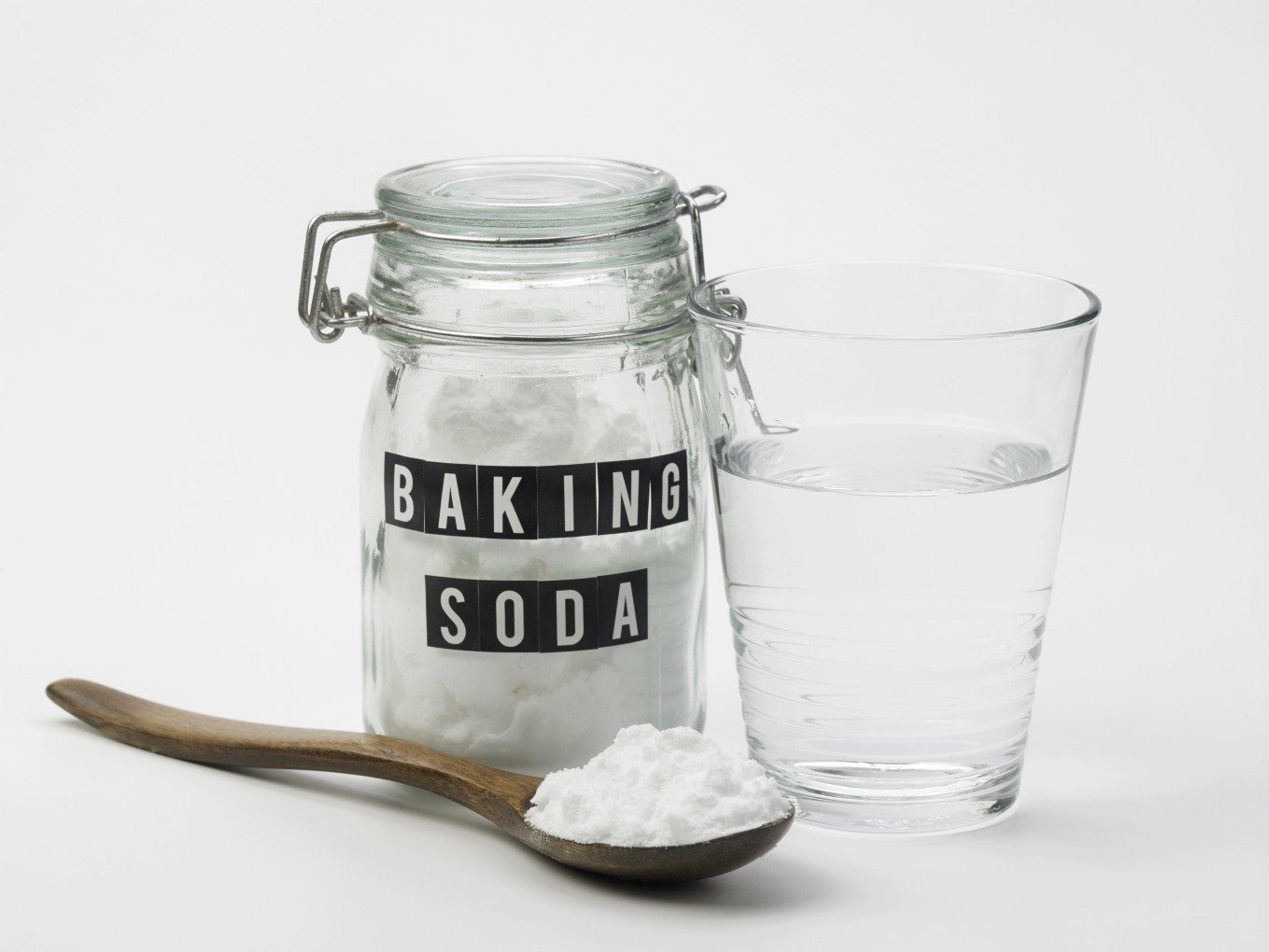
6. Using Baking Soda:
Baking soda is a versatile odor absorber and cleaner. Add half a cup to a cup of baking soda to your laundry to neutralize odors and enhance the freshness of your clothes.
Keep Your Laundry Fresh in the Long-Run
Achieving that delightful laundry scent is just the first step. To ensure your clothes continue to smell fresh and pleasant, it's important to adopt a few additional practices that can make a lasting difference:
1. Adding Essential Oils to Your Clothes:
Essential oils come to the rescue once again. After your laundry, add a few drops of your favorite essential oil to a clean cloth or a fabric pouch. Toss this into your dresser drawer, closet, or where you store your clothes. Not only will this keep your clothes smelling fantastic, but it will also infuse them with the natural fragrance of the essential oil.
2. Using Dryer Sheets:
Dryer sheets are a laundry staple for a reason. They're excellent for reducing static cling and imparting a pleasant scent to your clothes. Simply toss a dryer sheet into your dryer with your clothes and let it work its magic. Your laundry will come out smelling fresh and feeling soft.
3. Storing Your Laundry Properly:
How you store your freshly laundered clothes can make a big difference in how long they retain their good smell. Make sure your dresser drawers, closet shelves, and storage bins are clean and free from any musty odors. Additionally, ensure your clothes are completely dry before storing them to prevent the growth of mold or mildew.
4. Scenting Your Laundry with Scent Bars:
Scent bars or sachets are small, scented items that can be added to your dresser drawers or closet shelves. These little wonders release a gentle fragrance that keeps your clothes smelling fresh. You can choose from a variety of scents to suit your preferences.

Discover the Ultimate Laundry Experience with Rinse
While these methods are sure to elevate your laundry game and keep your clothes smelling fresh, there's an even easier way to enjoy the ultimate laundry experience. Say goodbye to the hassle of laundry day and let Rinse take care of it all for you. Here's why you should consider Rinse for your laundry and dry cleaning needs:
1. Quality Laundry Detergent:
Rinse uses high-quality laundry detergents to ensure your clothes are not only clean but also have a pleasant scent. Your garments will come back feeling soft and smelling amazing.
2. Expert Care for Smelly Clothes:
For clothes that require special attention due to persistent odors, Rinse's experienced team knows just how to handle them. Your smelly items will be treated with care and expertise so they will return to you fresh and odor-free.
3. Convenient Pickup and Delivery:
With Rinse, you don't need to worry about going to the laundromat or dry cleaner. Simply schedule a pickup, and Rinse will collect your laundry. Once it's cleaned and ready, it will be delivered back to your doorstep. No more trips, no more hassle.
4. Eco-Friendly Approach:
Rinse takes an eco-friendly approach to laundry. We use sustainable practices and products that are gentle on your clothes and the environment.
With Rinse, you can enjoy fresh, clean, and beautifully scented laundry without the stress and effort of doing it yourself. Say hello to the ultimate laundry experience with Rinse!
Contact us at Rinse today to see our skill in action.

This article will cover the most effective tips for a nice and balanced Sunday routine, introducing the best ways to practice self-care. Also, it will give tips for saving time and highlight how Rinse can help achieve this goal.
Introduction
In the hustle and bustle of modern life, finding a balance between moments of peace and productivity can be a challenge. This is where the art of crafting a well-thought-out Sunday routine comes into play. A Sunday spent wisely can set the stage for a week filled with productivity, self-care, and the perfect equilibrium between work and relaxation.
One of the key aspects of a successful Sunday routine is identifying tasks where you can save time. Imagine streamlining your weekly chores, like laundry or grocery shopping, to have more time for yourself or hobbies. This is where Rinse comes in as a valuable partner. With our laundry and dry cleaning services, you can save precious time and ensure your clothes are ready for the week ahead.

7 Ideas For a Perfect Self-Care Sunday Routine
A well-crafted Sunday routine is like a secret weapon for setting up a productive tone for the upcoming week. It's your opportunity to practice self-care, declutter your life, and save time for the tasks that matter most. Here are seven brilliant ideas for a perfect self-care Sunday routine that will help you recharge, prioritize, and feel your best as you head into a new week.
1. Reading a Good Book
There's something truly magical about getting lost in the pages of a good book. Dedicate a part of your Sunday to reading something that nourishes your mind and soul. Whether it's fiction, non-fiction, or a self-help book, reading is a wonderful form of self-care that can transport you to different worlds or provide valuable insights.
2. Doing a Morning Walk
Kickstart your Sunday morning with a refreshing walk. It's a fantastic workout to get your blood flowing, enjoy some fresh air, and clear your mind. Whether you stroll through a nearby park or explore your neighborhood, this simple activity can set a positive tone for the day.
3. Enjoying Outdoor Activities
If you're a nature enthusiast, Sunday is the perfect day for outdoor adventures. Whether it's hiking, biking, or simply having a picnic in the park, spending time in nature can be incredibly rejuvenating. It allows you to disconnect from the digital world and reconnect with the beauty of the natural world.
4. Doing Self-Care Activities
Make self-care Sunday a day of pampering and rejuvenation. Consider activities like taking a long bath, applying a face mask, journaling, or doing some gentle yoga or meditation. This dedicated time for self-care can leave you feeling refreshed and ready to tackle the week ahead.
5. Going to Bed Early
Ensuring you get enough sleep is crucial for a productive week. As Sunday night approaches, prioritize going to bed early. A good night's sleep will leave you feeling energized and mentally prepared for the challenges of the upcoming week.
6. Taking a Spa-Like Bath
Indulge in a spa-like bath experience at home. Create a relaxing atmosphere with candles, calming music, and your favorite bath products. A soothing bath can help melt away stress and tension, preparing you for a peaceful night's sleep.
7. Making Stretch Exercises
End your self-care Sunday routine with some gentle stretching exercises. This can help release any built-up tension in your muscles, improve flexibility, and promote relaxation. Stretching is an excellent way to transition from the weekend to the workweek with a sense of physical and mental balance.

4 Tips for Saving Time on a Sunday
Sundays are often considered a day of rest, but they can quickly become a whirlwind of chores and errands. Here are four tips to help you reclaim your Sundays and make the most of your time:
1. Use Time-Saving Services, Like Rinse
One of the most effective ways to save time on Sundays is by outsourcing time-consuming tasks, such as grocery shopping and laundry. Instead of spending hours at the supermarket, you can utilize grocery delivery services that allow you to order your groceries online and have them delivered to your doorstep. Rinse offers a convenient laundry and dry cleaning service, ensuring your clothes are cleaned and neatly folded without you having to invest your valuable time in the process.
2. Create a To-Do List Before Sunday
Start your Sunday with a clear plan of what needs to be accomplished. Creating a to-do list the night before allows you to prioritize tasks efficiently. Identify the most important items on your list, such as meal prep, and tackle them first. A roadmap for your day helps prevent aimless wandering and ensures you stay on track.
3. Avoid Excessive Social Media Scrolling
While it's tempting to catch up on social media during downtime, excessive scrolling can quickly eat up your precious Sunday hours. Limit your time on social platforms and set designated intervals for checking your accounts. This not only saves time but also reduces the risk of mindlessly spending hours online.
4. Use a Slow Cooker for Effortless Meals
Preparing meals can be time-consuming, especially when you'd rather be relaxing. Consider using a slow cooker early in the morning to create a delicious and effortless meal for later in the day. Simply toss in your ingredients, set the timer, and return to a home filled with the aroma of a ready-to-eat dinner. Slow cookers are a fantastic time-saving tool for busy Sundays.

How Rinse Can Transform Your Sundays
As you strive to create the perfect Sunday routine, one key aspect to consider is how to save valuable time on tasks that can be both time-consuming and tedious. This is where Rinse can be a game-changer, allowing you to reclaim your Sundays and make them more enjoyable and relaxing.
Rinse offers a range of services designed to streamline your life and provide you with the freedom to focus on the activities that matter most to you. Here's how Rinse can transform your Sundays:
Laundry Made Effortless
One of the most time-consuming chores on Sundays can be doing laundry. Sorting, washing, drying, and folding clothes can eat up hours of your day. With Rinse's convenient laundry service, you can say goodbye to the laundry room.
Consistent Pick Up and Delivery
Simply schedule a pickup on our app, website, or SMS, and Rinse will come collect your dirty laundry. We are open 7 days a week!
Quality Service
Our commitment to leaving your clothes professionally cleaned, folded, and delivered means you don't need to worry about this chore. Use your Sunday to focus on yourself or spend time with loved ones. Have that morning coffee, tea, or brunch knowing Rinse is on the way later that night. Begin to look forward to your Monday morning and the week ahead!
Contact us at Rinse today to see our skill in action.

This article will explain how laundry in college works while providing a complete step-by-step guide and practical tips.
Introduction
Laundry is already a tedious chore when you're in the comfy confines of your home. Move it to a college dorm or apartment, and it becomes even more of a hassle with limited resources and time.
If you're starting college soon or have already begun, learning how to do laundry is a crucial life skill that you need to master. Lucky for you, we're here to help.

How Does Laundry In College Work?
Back in the day, laundry on campus worked like a laundromat. You'd have to go to a designated laundry room, pay with quarters, and do your laundry there.
However, things have changed now. Many colleges allow you to pay through credit cards or a student account. Some even have laundry machines that you can control and monitor through an app on your phone.
When you settle into your dorm, start by finding out where the laundry room is. Is there one on every floor? Does the whole dorm share a single laundry room? Do you have to go to another building?
If you're using the dorm laundry room, also inquire about the payment method. Some colleges let you load money onto a student card that you can use for laundry, printing, and other purchases on campus. Check if your college has this system.
You don't necessarily have to use the dorm laundry room. If one of your friends lives in an apartment or residence with a washing machine and dryer, you can ask if they're okay with you doing laundry there.

Which Are The Essentials For Laundry In College?
One thing you need to know about being in college is that everyone's pressed for time. Students are also notoriously broke. Therefore, it is highly recommended that you take the following essentials when you're moving to campus:
Laundry Bag
A laundry bag is a must-have. You don't want to carry your dirty laundry running through the hall, trying not to drop dirty underwear in front of someone's dorm room.
Look for a polyester leno-weave bag. It won't rip as easily and can hold more weight compared to cloth bags.
Also, get a sturdy laundry hamper or a collapsible laundry basket for your dorm. Keep your dirty clothes here until laundry day. Don't be that annoying roommate that leaves a pile of dirty clothes all over the floor.
Laundry Detergent
The next necessity is laundry detergent. If you're going to use the dorm laundry room, carry powdered detergent. It's easier to pack, and you won't have to worry about a leaking bottle. Alternatively, you can use a detergent pod.
If you prefer eco-friendly options, look for brands that offer sustainable products.
Fabric Softener
Most students don't go all out when it comes to laundry in college. But you could get a few smell-good points by using fabric softener.
Just check the water absorbency score of your fabric softener. You don't want to be walking around smelling like old flowers.
Dryer Sheets
Buy dryer sheets for your clothes. Some dorms have dryers that come with built-in softeners, but they're not always practical. A dryer sheet is also good when you need a quick scent boost on your clothes before heading out to class. Alternatively, you can try dryer balls.
Stain Remover
You're making notes while sipping on your Starbucks, and whoops! The coffee spills on your new shirt.
Get a stain remover to handle these unforeseen situations. You could use DIY removers with white vinegar and baking soda at home, but these are not convenient for college. Instead, invest in a good stain remover for those pesky stains.
Lint Roller
A lint roller isn't strictly necessary. However, it sure comes in handy when you're running late to a presentation and your outfit is covered in lint from your blanket.
5-Step Guide To Do Your Laundry In College
Once you have your essentials, you're all set to get started. Here are the steps:
Step 1: Sort Your Clothes
Create a laundry sorter with bins for darks, whites, delicates, undergarments, and towels. Remove any fabric that needs to be hand-washed – wash those those in your bathroom.
Double-check that only clothing washable in a laundry machine is left in your laundry bag.
Step 2: Wash Your Clothes
Now, it's time to take your laundry bag to the laundry room. Most dorms have washing machines with multiple settings like heavy-duty, regular, permanent press, delicate, pre-programmed, etc. Use the appropriate setting for your clothes.
Also, add clothes according to the washing machine's capacity. Don't overfill the load, as it will leave your clothes dirty.
Step 3: Dry Your Clothes
Drying your clothes in the dorms is a bit tricky as there's not much space to air-dry your clothes. So, unless you have a balcony or a clothesline, you'll need to use the communal dryers.
Some items like bras and delicate clothing should be air-dried. Use a drying rack or hangers to hang them inside your room.
Step 4: Fold and Hang Your Clothes
Finally, fold your clothes and put them in their designated storage space in your dorm room, be it a closet or a dresser. Hang any items that need to be hung, like dress shirts or dresses.
Step 5: Iron If Necessary
Some clothes like dress shirts get wrinkled. You must iron or steam them before wearing them. Ironing isn't always feasible because you'll also need an ironing board, which takes up a bit of space.
The solution – get a steamer. You can just hang your clothes on a hanger and steam them.
6 Tips To Improve Your Laundry In College Experience
Washing and organizing your clothes in a confined space can be difficult. Use these tips to make the process more efficient.
Label Your Laundry Bag
If you're buying a laundry bag from your local Target or a store near college, it's likely other people will have similar ones too. Avoid mix-ups and label yours with a permanent marker or colorful tape. It doesn't hurt to label your detergent and fabric softener too.
Sort Your Laundry
Don't put all your dirty laundry in one load. Sort the load by colors or fabrics. Otherwise, you'll risk darker colors bleeding onto your white socks or bedding, especially if you wash using hot water.
Use Dryer Sheets
Dryer sheets will prevent static and keep your clothes smelling fresh. Plus, you can reuse them a few times before tossing them out.
Set a Schedule
You have three assignments that need to be done before Friday and there's a test on Monday too. And let's not forget the presentation for which you have nothing to wear because you didn't do your laundry. Sound familiar?
Set a schedule for when you'll do laundry and stick to it. It may seem like a small task, but avoiding it can lead to unnecessary stress in an already hectic schedule.
Do Not Leave Your Laundry Unattended
You might think you can leave your clothes in the washing machine or dryer while you run to grab a snack or attend class. Trust us – that's not always the case.
Some people might take your clothes out, toss them onto the floor, or even worse, take them. That's the last thing you want to deal with while managing through a hard semester.
Be Mindful Of Others
The laundry room is a communal space, so be respectful of others when using it. Here are some etiquette guidelines to follow:
-
Don't let your clothing pile sit in the washer or dryer for hours.
-
Don't use more machines than you need if others are waiting to wash their clothes.
-
Clean up after yourself. Don't leave dryer sheets or lint on top of machines.
-
If you spill detergent or fabric softener, clean it up immediately.
-
Be mindful of the time and noise level if laundry facilities are located in a shared living space.
Rinse: Your New Way To Do Laundry In College
While you're managing a part-time job and a plethora of assignments, you don't need to add laundry stress to the mix. Instead, outsource this chore to Rinse.
At Rinse, we take care of your laundry and dry cleaning needs. All you have to do is schedule a pick-up, leave your laundry in a Rinse bag outside your door, and we'll bring your clothes back washed and folded.
Say goodbye to hauling heavy laundry bags across campus or wasting precious study time in a crowded laundry room.
Contact us at Rinse today to see our skill in action.
Topics
Rinse Drop
We offer pickup and delivery if you can’t be present between 8pm and 10pm.
Our Valet will pick up or deliver your order to your doorstep or concierge, at which point you’ll receive a text with a photo showing where your items were left.
You can enable Rinse Drop on any (or all) of your orders.