Time
Hacks and how-to guides to make life easier.

This article is aimed at gym owners and will describe the benefits of having a gym towel service. It will also provide tips and recommendations to take into consideration when it comes to selecting the right one.

Introduction
Whether you're a yoga studio, fitness center, or any similar gym facility, you want to offer your customers the best service there is. Amenities are a major factor in attracting and retaining patrons, with gym towel service being a very important one.
But what is towel service at a gym? How do gyms with towel service do better? More importantly, how can you incorporate it into your facility? Below, we answer all your questions.

What Is a Gym Towel Service?
Towels are must-haves in a gym. People need them after showers, during workouts to wipe off sweat, or when they finish their workout. A paper towel is of no use at a gym due to its disposability and high environmental impact.
A gym towel service is a convenient offering that provides fresh and clean towels to gym-goers during their workout session. These towels are usually handed out at the front desk or in designated towel stations within the facility. After use, these towels can then be returned to a designated drop-off location or laundry room for cleaning.
While it is up to gym management to decide if they want to make towel service included in the membership, this amenity is highly valued by members, reduces waste, and is a budget-friendly way to upscale the facility's service.

Benefits Of a Gym Towel Service
Hygiene and Cleanliness
Person after person is touching the same equipment, with sweat (and tears?) spreading all over it. This makes the gym a breeding ground for bacteria.
You can't have cleaning staff running around disinfecting equipment every time someone uses it – gym towels are a solution to this problem. Towels can be used to wipe down equipment after use, reducing the risk of germs spreading.
Better Customer Experience
60% of business executives believe customer service is key to customer retention. In simple words, the better your service, the more likely people are to come back.
Adding amenities like a locker room, a new shower, a spa, a juice bar, or even something as simple as a gym towel service can improve the overall customer experience.
It can be a bit costly to add new amenities to your gym. For example, creating a spa can strain your bank account. However, a towel service is much more affordable and quick to implement.
Sustainability
We've already talked about this one previously. Paper towels or one-time-use tissues are wasteful – they just add to landfills, creating more pollution.
Towels present an eco-friendly alternative as they are reusable and reduce waste. Some gyms have taken a greener step forward and started using organic cotton towels to reduce their carbon footprint.
Personalization
Providing each member with their own gym towel is a simple yet effective way to personalize their experience at your gym.
Who doesn't love feeling special? Having a personal touch can make them feel more connected to your gym and keep them coming back.
You can also offer different types of towels, like sweat towels, shower towels, or even larger bath towels for each patron. How far you choose to go will depend on your budget.
Additional Revenue Stream
The more services you add to the membership, the more expensive it gets. A towel service can be added to the existing membership at no additional cost or you can raise general membership dues. Alternatively, you can offer a towel rental optional add-on for a small fee. Either way, it is an opportunity to make more money.
Another option is to make it a tier-based system. Basic membership includes a sweat towel and a hand towel. Premium membership can include three or more towels, including a bath towel.
Whichever tier customers choose, you have an opportunity to increase your revenue and profit.

4 Recommendations To Select The Right Gym Towel Service
Being a gym owner, it's your responsibility to find a reliable gym towel service. An in-house system to launder towels can be expensive as you have to factor in the upfront cost of a washer and a dryer. Beyond that, there are recurring costs like laundry detergent, bleach, and fabric softener. You'll also have to hire staff for washing and drying the towels.
The best way to avoid these expenses is to partner with a professional gym towel service provider. Here are a few things to look for during the selection process:
Consider the Cost
First things first, you need to consider the cost. Does it fall in your budget? Will you be able to make a profit after adding the service fee to the membership? Get quotes from different providers and compare them.
A heads up: the cheapest option is not always the best. You don't want to compromise on the quality of towels or cleaning just to save a few bucks initially and then lose members because of poor service.
Check the Company's Reputation
The last thing you need is a company delaying deliveries or providing subpar towels. Do some research on the company's reputation. Ask for reviews from other gym owners or patrons who have used their services.
Don't forget to check their Google Business reviews. Also, check Yelp and other third-party review sites for more insight.
Ask About Their Capacity
You must ensure that there is a towel for every member. Therefore, the provider you choose must be able to handle your membership volume. Here are some things to ask them:
-
What is your average turnaround time?
-
How many towels can you provide per day?
-
Which type of towels do you offer?
-
Do you have the capacity to increase the towel supply if my membership grows?
Most businesses have plans for scaling and expanding – let the provider know of this beforehand. It's best if they can meet your needs as you grow. Otherwise, you'll have to find another service or invest in an in-house towel system.
That's more work, money, and time – something you want to avoid.
Check for Added Perks
An additional perk never hurt anyone. It could be the customization of towels with your gym's logo or special discounts for long-term contracts.
If you're a sustainability-inclined gym, ask about their eco-friendly options. Do they use environment-friendly detergents and fabric softeners? If yes, you're golden!
Even better, the cleaning service could offer pick-up and drop-off services. That means you wouldn't have to worry about transporting the towels yourself.
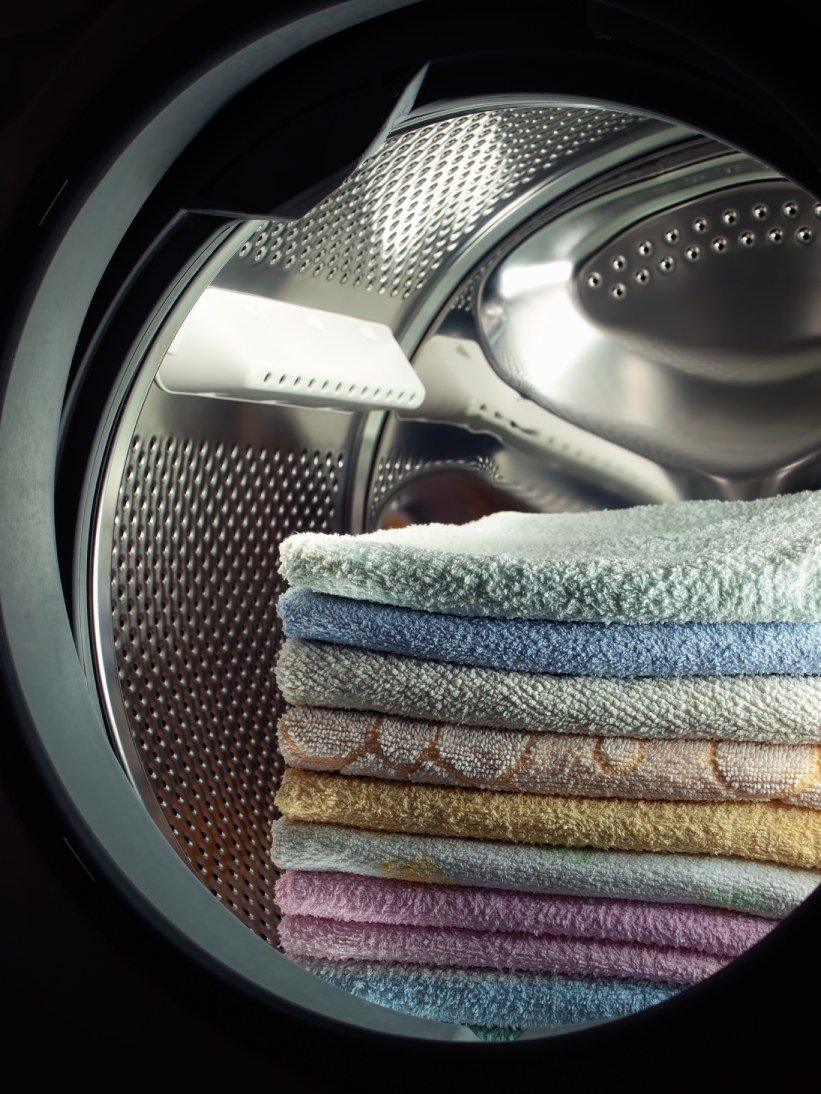
Make the Most of Your Gym Experience with Rinse
It can be hard to find a company that fits the criteria we've highlighted. Rinse is one of the few that checks all the marks.
First, Rinse has been in business for quite some time. We have handled towels, activewear, delicates, and everything in between for years. Second, Rinse picks up the dirty towels and drops them off at your gym. You don't only save money but also time.
Third and most importantly, Rinse does it all. We don't only wash the towels but also dry and fold them for you. We even offer dry cleaning and hang dry services. By the time you get your towels, they are ready for your members.
Contact us at Rinse today to see our skill in action.

This article is your comprehensive guide to effectively washing table linens, tailored to the needs of restaurants and businesses. It addresses the unique challenges establishments face in maintaining clean and presentable tablecloths and linens, and provides expert insights on washing, stain removal, drying, ironing, and proper storage.
Introduction
Washing table linens is one of the most attention-requiring tasks in any hospitality or food service establishment. You need to know the right technique, the correct washing machine settings to use, and how to remove difficult stains without damaging the fabric.
It's not just important to keep table linens clean for hygiene; it also serves as an aesthetic element in any dining setting.
Naturally, many questions come up when cleaning these linens. Do you air dry or use a dryer? Do you iron or steam the table linen? What about fabric softener – can you use it?
We'll answer these and many other questions about washing table linens below. Read on!

How to Wash Your Restaurant's Tablecloths and Linens
It's best to approach washing table linens in a series of steps:
Step 1: Pretreat Stubborn Stains (Grease, Wine, Coffee)
Before throwing your table linens into the wash, it's wise to pretreat any stubborn stains. We don't want the stains setting in, do we?
Use a stain remover or a mixture with vinegar to dab on the stain.
Pro Tip: For red wine stains, apply salt to the area to absorb the excess liquid before using a stain remover. Salt will remove the color from the linen tablecloth or napkin.
After pretreating, let it sit for about 10 minutes before moving on to the next step.
Step 2: Check for Colorfastness
Simply put, "colorfastness" is the ability of a fabric to resist fading or bleeding during washing. Luckily, most table linens are white, so this isn't an issue.
However, some restaurants have colored tablecloths or napkins for customization. If you're one of them, this step is for you.
Dip a corner of the tablecloth in a water and detergent solution. Then, blot it on a white paper towel. If there's color transfer, wash your linens separately to avoid staining other linens. Also, use cold water for such fabrics.
Step 3: Select the Right Detergent
A regular detergent works well for most table linens. However, if yours gets very soiled, use a heavy-duty detergent.
You can also use a fabric softener to keep your linens feeling soft and fresh. We recommend using a fragrance-free option to ensure guests' sensitivities are not triggered.
Step 4: Select the Water Temperature
Most table linens are safe to wash in warm or cold water. It's up to you to choose what you prefer.
Just a heads up that hot water can cause shrinkage, especially for natural fibers like cotton and linen. Check the care label for specific recommendations.
Step 5: Set the Washing Machine Cycle
The washing machine cycle will depend on the fabric. For a linen tablecloth, the gentle or delicate cycle will do.
However, if you use synthetic fabrics or cotton, use the permanent press cycle. It finishes with a cold water rinse so your tablecloth doesn't wrinkle.

Removing Stains
Stain removal looks different for each fabric and stain type. You should be familiar with most if not all, techniques to keep your linens looking at their best.
Food Stains
For food stains, immediately scrape off any solid residue with a dull knife. Then:
-
Soak the stained area in cold water for at least 30 minutes or until the stain fades.
-
Wash it according to the fabric's care label instructions.
-
Add baking soda to the wash to deodorize smelly stains.
Oil Stains
Here's what to do to remove oil stains from cotton napkins or linen:
-
Cover the stain with liquid dish soap.
-
Use a clothes brush to rub the dish soap onto the surface gently.
-
Let it sit for 15 minutes.
-
Rinse with cold water, and then run a cycle in the washing machine as you normally would.
Wine Stains
Remove wine stains with this simple method:
-
Use a dry cloth or paper towel to blot the stain. Remove as much liquid as you can.
-
Pour cold club soda over the stain.
-
Put salt on the stain saturated by club soda. It will prevent the staining from seeping deeper into the fabric.
-
Let the solution sit on the stain for 20 minutes.
-
Rinse with cold water out. Once the stain is gone, wash in cool water.
There's another way to clean wine stains but only use it for white linens as hydrogen peroxide can discolor pigmented fabric.
-
Blot the stain to soak up any excess wine.
-
Spray the stain with hydrogen peroxide.
-
Put a spoonful of baking soda on the stain soaked in hydrogen peroxide.
-
Let the mixture sit for 5 minutes.
-
Remove the baking soda mixture with a damp cloth.
-
Blot the stain with a dry cloth.
When the stain air dries, wash it in cold water with detergent as you normally would.
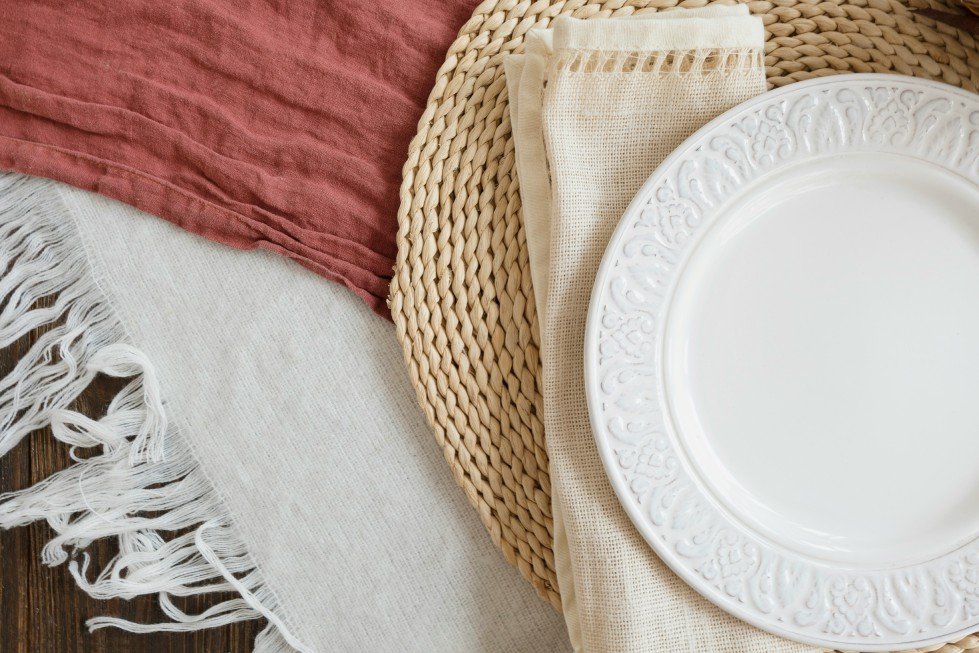
Drying & Ironing Tablecloths and Linens
It's not feasible or economical to buy new tablecloths every other day because your existing ones look shabby. However, business owners often overlook the importance of ironing and drying linens and tablecloths properly – it's just as critical as stain removal and machine washing.
Before you put the tablecloths in the dryer, make sure they are spotless. Use the permanent press setting on your dryer, as it works best for linens.
Just be careful not to over-dry them – give the linens 5 minutes in the dryer, and then pull them out.
The next step is ironing. Here are some tips to make your linens wrinkle-free:
-
Use a Clean Iron: Do your white linens have random black or brown marks on them? It's probably your iron. Clean the iron's soleplate before using it.
-
Iron Correctly: Iron the opposite or wrong side of the fabric. For example, if you're ironing a tablecloth, start with the underside first. Iron it by pressing the iron over it, not back and forth. Work your way to the edges. Then, iron the right side.
-
Use Starch: Do you create fancy designs with your tablecloths? You can make them look more crisp and sharp if you use starch, as it adds stiffness to the fabric.

Proper Storing
The way you store a table linen has a huge impact on its appearance and odor. It can also make the fabric last a longer or shorter period.
The first tip here is not to store table linens when they're damp. After taking them out of the dryer, give them time to cool down and air dry before you store them in your cupboard or closet. Otherwise, you'll be attracting mold and mildew.
Once the linens have dried, you have two options to store them: hanging or storing flat. For the former, use a padded hanger for heavier linens like tablecloths and sheets and a regular hanger for lighter ones like napkins.
If you want to store the tablecloths flat, wrap each one of them in acid-free tissue paper, which is acid-free and won't yellow the fabric over time.
Let's move on to the order of storage. Here's how you need to store lines from bottom to top:
-
Placemats
-
Napkins and Fabric tablecloths
-
Lace pieces or other delicate pieces
Pro Tip: If you've used starch during ironing, be careful about storage. Starch is an insect attractor. Store these linens in a bug-free area.

Elevate & Simplify Your Restaurant's Linen Care with Rinse
Managing a restaurant is tough, from keeping track of inventory to training staff – the list is endless. Why not outsource the linen care part?
Rinse can provide you with a professional solution for your restaurant linen care. We have been doing this for quite some time, making our professional cleaners experts in this space.
We assure you that our cleaning procedures will meet the stringent standards of hygiene required in the hospitality industry while making the whole process extremely convenient for you.
All you have to do is put the linens in a bag, and we'll come pick it up for you. We'll sort, wash, and fold the items and return them to your doorstep fresh and clean. If you'd rather we dry clean your linen, that's also an option.
Contact us at Rinse today to see our skill in action.

This article is your ultimate guide to crafting a laundry schedule that optimizes efficiency and minimizes time spent on laundry, catering to the needs of busy individuals. We will provide readers with tips to streamline their laundry routines making the most of their time.
Introduction
Laundry is a dreaded chore for many of us, especially those with hectic jobs and busy schedules. First, you have to set a laundry day for the week. Then comes the washing, drying, ironing, and folding. It's still not over! You still have to put away the clean clothes.
Do you know what's one thing that can make this whole process easier? A laundry schedule.
If you have a laundry routine, it will be much easier to stay on top of your laundry. You'll also be less stressed about finding a clean pair of socks or that one shirt you want to wear. Let us share with you some tips on creating a laundry schedule that works.

10 Tips to Reduce Your Laundry Schedule
If there's one thing we know, it's that there's no one-fits-all laundry routine. It varies from person to person depending on several factors, such as family size, lifestyle, and personal preferences.
But if you have some standard tips, you can customize them to fit your needs. Here are a few:
Use a Laundry Basket System
Some of you might be familiar with the laundry basket system. The idea is to have multiple baskets for different types of dirty laundry, such as whites, darks, and delicates. Or you can divide laundry into pants, shirts, socks, and towels.
When the clothes come out of the washing machine, they go into their respective baskets. You can then take it from there but will have saved a lot of time by implementing this system.
Do a Bit of Laundry Daily
It might seem a bit counterintuitive, but it works. Instead of having a specific laundry day, do a little bit of laundry every day. Let's say you have two hours before bed after you get off work.
Use that time to start a load of laundry. Throw it in the dryer before you go to bed, and you can fold it in the morning.
If you live alone, it would take less than five minutes to fold a small load of laundry. For families, assign everyone the task to fold and put away their clean clothes.
Remove Stains Beforehand
Let's say your laundry day is on Sunday. Pretreat all stubborn stains on Saturday. You can use white vinegar, baking soda, or a store-bought stain remover for the job.
The next day, all you have to do is pop the clothes in the washing machine. You won't have to deal with stains on laundry day. That's a HUGE plus if you ask us.
Keep All Supplies in the Same Room
Make sure all your laundry supplies are in the same room. If you have a dedicated laundry room, that's great. But if not, try to keep everything in one closet or cabinet near your washing machine and dryer.
You shouldn't have to go searching for detergent with the washer all loaded and ready to go. Plus, having everything in one place allows you to keep track of what supplies you're running low on.
Here are some supplies to keep in stock:
-
Laundry detergent
-
Stain remover
-
White vinegar
-
Baking soda
-
Bleach
-
Dryer sheets / dryer balls

Download Laundry Schedule Printables
If you have a flair for DIYing and organization, you can create a laundry schedule for yourself.
However, if you're not the creative type or simply don't have the time, there are plenty of free laundry schedule printables available online. Or, you can use a laundry schedule template and customize it according to your laundry frequency.
Here's what a simple laundry schedule (where you do laundry every day) could look like:
-
Monday: Whites
-
Tuesday: Darks
-
Wednesday: Lights
-
Thursday: Delicates
-
Friday: Towels and linens
-
Saturday: Workout clothes and activewear
-
Sunday: Rest day or catch-up
Alternatively, you can use a once-a-week schedule where you do all your laundry on a specific day. You can also log your laundry schedule in a planner or hang it on your fridge for easy reference.
Set Laundry Hamper Rules
Since you know what works best for your family, you get to choose these rules. However, we do have a few recommendations you can consider.
For instance, you can give every family member a laundry bag or a hamper and tell them to put all their dirty clothes there. The rule is that only the clothes in the hamper get washed. That means you don't go around looking for dirty socks under the bed or sweaty hoodies in the infamous chair pile.
Likewise, you can have a designated spot in the house for dirty towels and linens so they don't end up on the floor or scattered around. It's a handy rule for larger families where you need to clean your towels often.
Also, have rules in place for bedding and sheets. Tell everyone to strip their beds on laundry day and put their dirty sheets in a designated laundry basket.
Use the Dryer-Iron Approach
We have a trick we'd like to share with you.
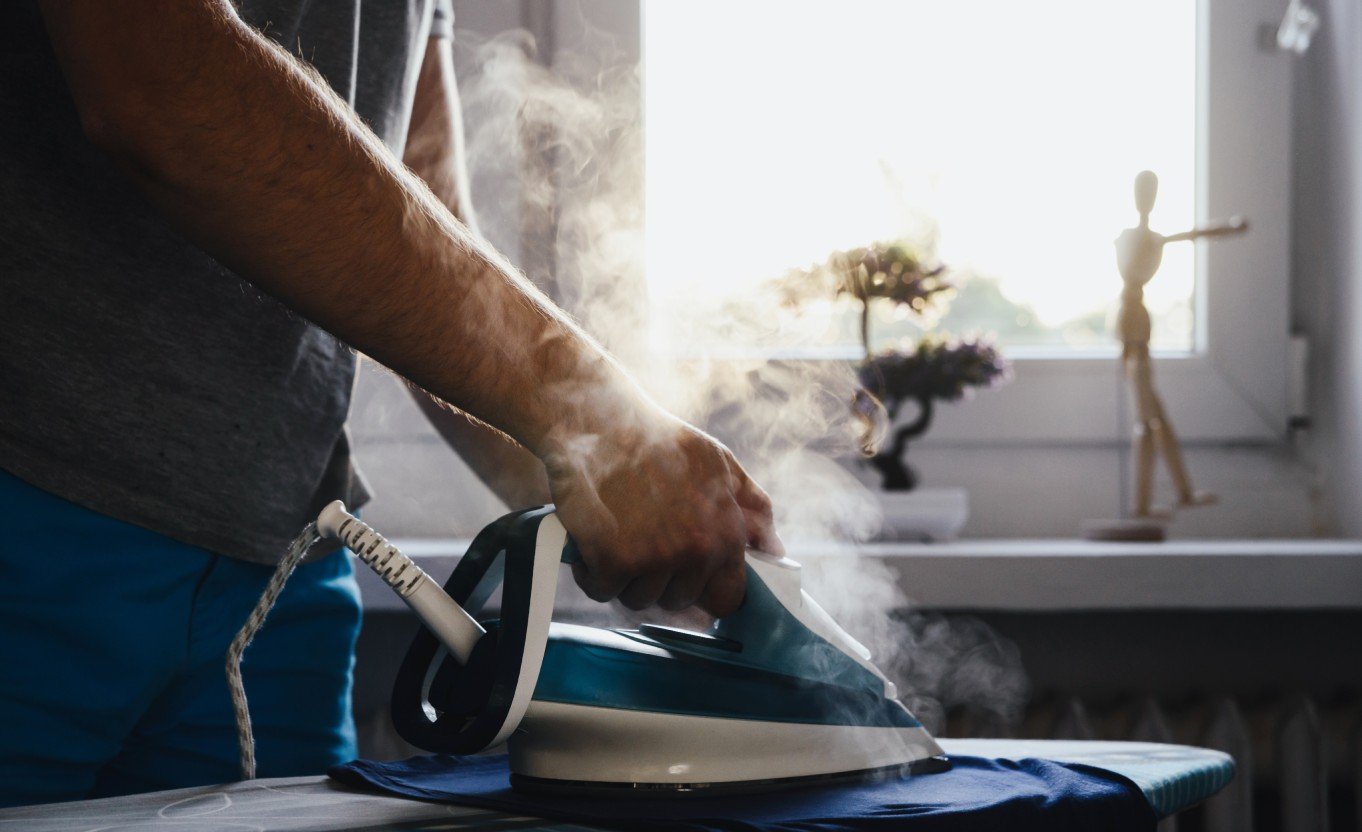
It's a known fact that the majority of the population loathes ironing (don't ask us for citations). If you're one of those people, all you have to do is put your clothes in the dryer for 10 minutes.
Next, take the clothes out and hang them on the clothesline or drying rack while they're still damp and warm. The trick works for t-shirts and fabrics like polyester and cotton.
The other clothes — sadly — you'll have to iron.
Wash Socks in a Mesh Laundry Bag
We all have some lonely socks that seem to have lost their partners in the wash. How do you prevent this separation? Wash your socks in a mesh laundry bag.
The bag is small enough to fit in your washing machine, and it keeps all your socks together. No more solo sock syndrome!
Print Washing Instructions
Sometimes, the laundry ''guru,'' be it the parents or a partner, may not be home. Or someone might decide they want to wash their winter clothes before it gets too cold.
Either way, not following the washing care label instructions correctly can be a disaster. Here's how to prevent it:
-
Print or hand-write instructions about clothes with special washing requirements, such as dress shirts.
-
Have a designated spot for these instructions, like on the laundry machine or near the detergent.
-
Mention water temperature and washing machine cycles to use for different clothing types.
-
Make a list of dry-clean-only clothes to be kept separate from regular laundry.
Be Consistent With Your Laundry Schedule
Once you set a laundry routine, stick to it. If you're doing laundry every Sunday night, don't skip a week unless necessary.
Otherwise, you'll have to double the clothes to wash the next week or do laundry on Monday – oh, the horror!
Maximize Your Time with Rinse
Of all the laundry hacks we have shared with you, our favorite is outsourcing laundry. Sometimes, you just don't have the time (or willpower) to do it yourself. That's absolutely fine. We all deserve a break.
Rinse helps you get that well-deserved break by taking care of your laundry and dry cleaning. Simply schedule a pickup, leave your dirty clothes in the designated bag, and get your clean and folded laundry back at your doorstep.
There are plenty of benefits to taking this route. One, we know how to clean every fabric type and stain. Two, we use eco-friendly products and dry cleaning methods that are gentle on your clothes and the environment. Three, you get to save time and energy, which you can use for more important things in life (like going on a hike or catching up on Netflix!).
Contact us at Rinse today to see our skill in action.

Following care labels and properly caring for your clothes has long-term benefits. Learn how dry cleaning can actually save you money.
Introduction
People are often reluctant to dry clean their clothing because it is more expensive than traditional laundry, but a professional cleaning service can be a great investment for your lifestyle and closet that saves you money in the long run.
Below we will explore the cost-effective conveniences that paying for a dry cleaning service yields for your garments, while also going over how much you should expect to pay.
How Much Does Dry Cleaning Usually Cost?
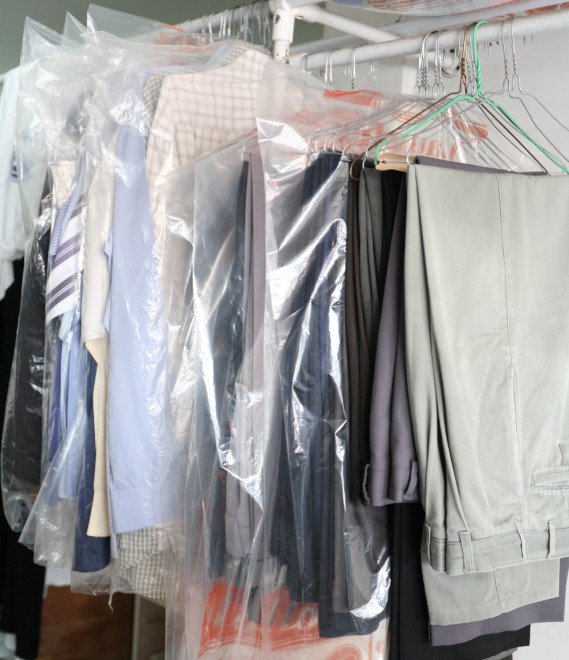
Several factors will determine how much your local dry cleaner will charge to clean your clothes, such as where you live, the type of garment, the fabric, and the size of your items. Often, there are additional services available, such as stain removal, hemming / alternations, and repairs.
Let's get into some approximate price ranges for the most common garments:
Men's Dress Shirts
Average Price: $2.50 - $5.00 per shirt
These are the most common garments cleaned at a dry cleaner. As a result, the pricing quoted for these tends to be a good indicator of how expensive the locale is. Note that women's dress shirts should have a similar price, but blouses will be more expensive.
Women's Blouses
Average Price: $5.00 - $10.00 per blouse
Blouses have a higher average cost to dry clean because they tend to be made of more delicate fabrics, such as silk or chiffon. These materials require additional care and attention to dry clean.
Suits (Two-Piece)
Average Price: $10.00 - $20.00 per suit
Most dry cleaners treat suits as separate pieces – jacket plus pants. (If you have a three-piece suit, then the vest is separate too.) However, you should not be paying more than $20 to have your favorite suit washed, whether your suit is linen, cotton, or polyester.
Dresses
Average Price: $10.00 - $20.00 per dress
The dry cleaning cost for dresses varies according to their material. Again, delicate fabrics such as silk and satin increase the difficulty of removing stains. More complex dresses (beading, sequins) add to the cost. Note wedding dresses will also be more expensive due to their size and weight.
Pants / Slacks
Average Price: $5.00 - $10.00 per pair
While the cost to wash your pants will also depend on the material, special requests can also influence pricing (think pressing or cuffs). Some dry cleaners also have separate pricing for women's pants.
Coats / Outerwear
Average Price: $15.00 - $30.00 per coat
Materials like leather and suede will be more expensive to dry clean. In addition, the size of the coat or jacket will also influence the quote you receive. Larger garments require more time and solvent to clean, increasing the dry cleaning cost.

5 Ways Dry Cleaning Can Save You Money
It Helps Your Polished Pieces Last Longer
While there are items that you can take care of at home, certain upscale pieces such as your silk dress or structured wool blazer are best left in the care of a professional dry cleaner. Pieces that aren’t properly cleaned before being put away can carry undetectable odors that attract insects and moths. These pests can eat certain fabrics, including wool, cashmere, silk, and cotton, gradually ruining your favorite items. Sensitive fabrics may also fade in color or stretch in shape in a washing machine or dryer. By using a professional cleaning service, your pieces will last much longer so you won't have to replace them as often, ultimately saving you money.
Care tip: Familiarize yourself with different fabrics and the appropriate treatment for each material. For instance, cashmere can often be hand-washed with a gentle laundry soap. Before doing so, it's always good to double-check the clothing label to see if hand washing is appropriate. Other fabrics like silk require professional dry cleaning. Our guide on which pieces can be dry-cleaned provides an in-depth breakdown.

It Can Treat Stubborn Stains
Besides helping your pieces maintain their color and shape, dry cleaning can help treat stubborn stains like grass, which you might not be able to remove using traditional laundry means. A professional service might be able to salvage your favorite sweater or slacks so you don't waste money on different detergents, home dry cleaning kits, or DIY treatments just to end up with a slightly faded but still visible mark. Furthermore, if you don't pre-treat stains or if you use the wrong cleaning agent, you might cause further damage to your clothing. Either way, you can be left having to replace these pieces altogether and wasting money on your wardrobe.
Care tip: Food stains can affect fabrics differently than sweat residue. In some cases, you might be able to apply a DIY treatment. Know when to treat the stain yourself and when to visit a dry cleaner with our summer stains guide.

It Adds Professionalism to Your Workplace Attire
First impressions are extremely important. Being smartly dressed will help you make your mark at a job interview or client meeting – which can lead to financial gain down the road. An inexpensive way to elevate your office style is to ensure that your pieces are always freshly pressed. You don't need to spend a lot to create a chic ensemble: well-tailored and maintained pieces create a professional look that will help you get ahead in the workplace. To keep your business attire looking top-notch, leave your suit or dress shirt with the dry cleaners. Even if you work in a creative or casual environment, a creased shirt can make you look sloppy. Unsightly wrinkles, stains, or smells on worn clothing detract from your professionalism. A trusted service will help you take care of these smaller details so you can focus on the big picture and impress your boss or client.
Care tip: Besides taking care of your basic clothing maintenance needs, most modern dry cleaners provide additional options such as alterations or repairs. Take advantage of their services to ensure your office outfit is always as impressive as your portfolio.

Get Discounts for Multiple Pieces
You tend to get deals at Costco or warehouse retailers because you buy larger quantities in bulk. This concept can also be applied to dry cleaning. Some shops will have specials such as "5 shirts cleaned for the price of 4". If they don't or if your order is particularly large, they may be open to quoting below sticker price – no harm in asking!
Care tip: Test out the dry cleaner before sending a large order their way. You want to make sure they do quality work before putting your entire closet in their care.
It Avoids the Usual Damages Caused by Washing Machines
Delicate clothes are called delicate for a reason – they are easy to ruin when washing. Recall that materials like silk, suede, leather, and wool do not do well in washers or dryers. Save yourself from the heartbreak of ruining your favorite pieces and take them to the dry cleaner.
Other large items, such as comforters, may simply not fit in your washer (king-size comforters definitely will not), leaving you with few alternative wash options.
Care tip: Always make sure your washing machine is filled to an appropriate level. Overloading it will result in a poor wash and will likely require another cycle.

Dry Cleaning with Rinse
While you save on short-term costs doing laundry at home, your finest attire requires professional care to keep them looking as fresh as the day you bought them. And that's a worthwhile investment. If you want to make a good investment in your clothing care, you should strongly consider dry cleaning.
One last tip we'd like to share is to use a dry cleaning or laundry service for your convenience. For instance, Rinse has years of experience dry cleaning all types of garments, using efficient techniques, and with transparent pricing. Did we mention we pick up and deliver your laundry and dry cleaning from and to your doorstep?
Contact us at Rinse today to see our skill in action.

This article will discuss the importance of cleaning a washing machine in a step-by-step guide. It will cover how to clean front-loading and top-loading washing machines.
Introduction
Maybe you know all about washing machine cycles. Perhaps you're also an expert on using the right laundry detergent for your needs or maybe you even make your own detergent.
But have you ever wondered whether the washing machine that cleans your clothes might also need cleaning once in a while? Well, your hunch is correct – it does. Keeping your washer clean will ensure that your laundry comes out fresh too.
Cleaning a top-loading washing machine might differ from cleaning a front loader. Similarly, you might have different preferences for which washing machine cleaner to use, be it commercial or homemade.
The guide below will teach you how to clean a washing machine — both a front load and a top load model.
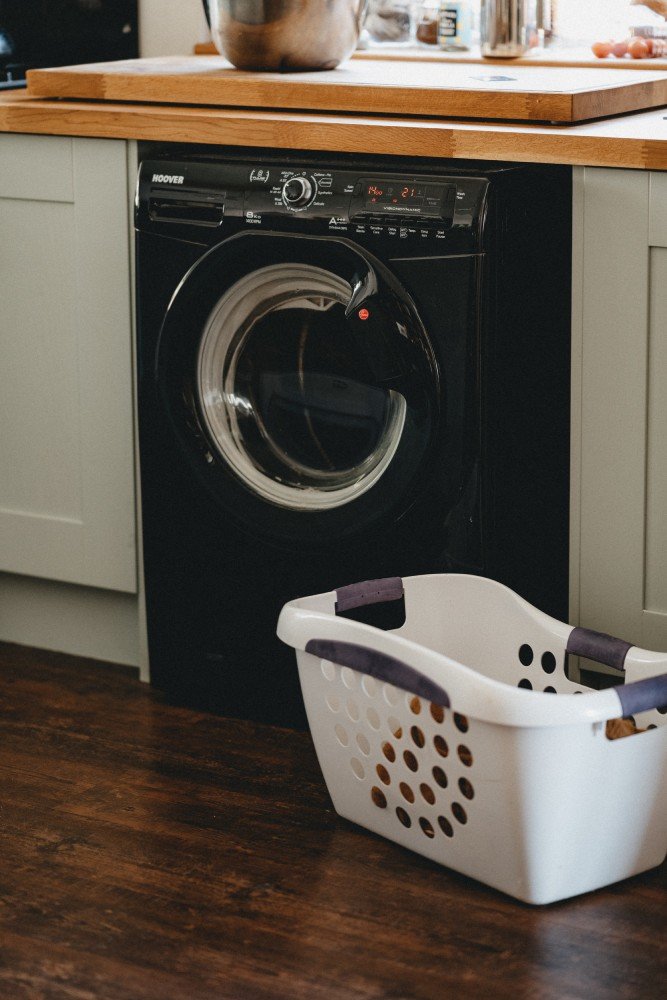
What Will You Need?
First, let's gather some necessary supplies. Don't worry, you'll likely already have the following items in your home:
-
Distilled white vinegar
-
Baking soda
-
Scrub brush
-
Microfiber cloth
-
Toothbrush
-
Cleaning rag / cloth
-
Bleach
-
Gloves
Here's a quick tip about cleaners. We'd recommend using natural alternatives like white vinegar and baking soda. You can always opt for commercial cleaners, but they might be harsh on your machine and the environment.

4 Best Ways To Clean A Washing Machine's Interior
When you look at the interior of your washer, know you are going to be tackling soap scum, lint, mildew, bacteria, and mold.
Before we guide you on getting rid of all the gunk, take a moment to check your user manual. Your manufacturer might have a specific way of cleaning your machine.
Also, let's talk about the frequency of cleaning. Ideally, you should do it once a month or you may start noticing your clothes coming out musty and dirty. If you don't do your laundry as often, plan a deep clean every three months.
Now, let's get into the ways of cleaning your washing machine.
Scrub the Washer's Interior
We'll start with the simplest method — a good, old-fashioned scrubbing. Wear gloves, and make a paste by mixing 1/4 cup of baking soda with 1/4 cup of water.
Dip a toothbrush into the paste and use it to scrub away grime and dirt from the interior surfaces of your washing machine.
You can also use the paste on a cleaning cloth or sponge for larger surface areas. Scrub all over the tub, including the agitator and any other parts of your machine that come in contact with your clothes.
When you're done, run a rinse cycle to help remove any residue.
Run a Washing Machine Cycle With Vinegar
Part of the reason vinegar does such a stellar job cleaning the washer is because it's mildly acidic, with a pH of 2.0 to 3.0. Vinegar's acidity is perfect for dissolving mineral deposits (caused by hard water) and soap scum.
To clean your washer:
-
Add two cups of vinegar to the detergent dispenser of your washer.
-
Run a hot cycle with an empty washer drum.
White vinegar will not only remove unwanted residue but also prevent bacterial growth. It's also an excellent deodorizer, which means no more mildew smell.
Use Bleach To Deep Clean Your Washer
Here's how:
-
Make a diluted bleach solution by mixing 1/2 cup of bleach and a gallon of warm water.
-
Pour the bleach mixture into the empty washer drum, then run a regular cycle.
Bleach is fantastic for killing bacteria and mold spores, making it an ideal cleaning agent for your washing machine. However, be careful not to mix bleach with other chemicals, as this can release toxic fumes.
Also, open the windows and doors while using bleach to ensure proper ventilation.
Use a Washing Machine Cleaner
If you prefer a more straightforward method without mixing your own solution, opt for a store-bought washing machine cleaner – these products are specifically designed for cleaning washers.
Most of these solutions come as liquids but you may also find powder or tablet forms. Simply follow the instructions on the product label, and you're good to go.
How To Clean A Top-Loading Washing Machine
If you have a top-load washer, use the following steps to clean it.
Step 1: Add White Vinegar
Start by adding two cups of white vinegar to an empty washer drum, or you can put it in the detergent dispenser. Run the cycle as you normally would.
Step 2: Let Vinegar Soak
Pause the cycle, let the drum fill with water, and agitate for a minute or so. Then, let the mixture sit for an hour to allow the vinegar to dissolve mineral deposits and buildup inside the washer.
Step 3: Scrub the Nooks and Crannies
Use the toothbrush to get into the small areas and remove any grime or residue that may be hiding there. Some places to check are the corners of the drum, under the agitator, under the rim, and around the lid.
Step 4: Wipe Down the Interior
After an hour, resume the cycle and let it finish. Then, dampen the microfiber cloth with warm water and wipe down the interior of the washer to remove any leftover vinegar residue.
Step 5: Clean the Exterior
Don't forget to clean the exterior of your washer. Use the all-purpose cleaner (or white vinegar) and microfiber cloth to wipe down the top, front, and sides of the machine.
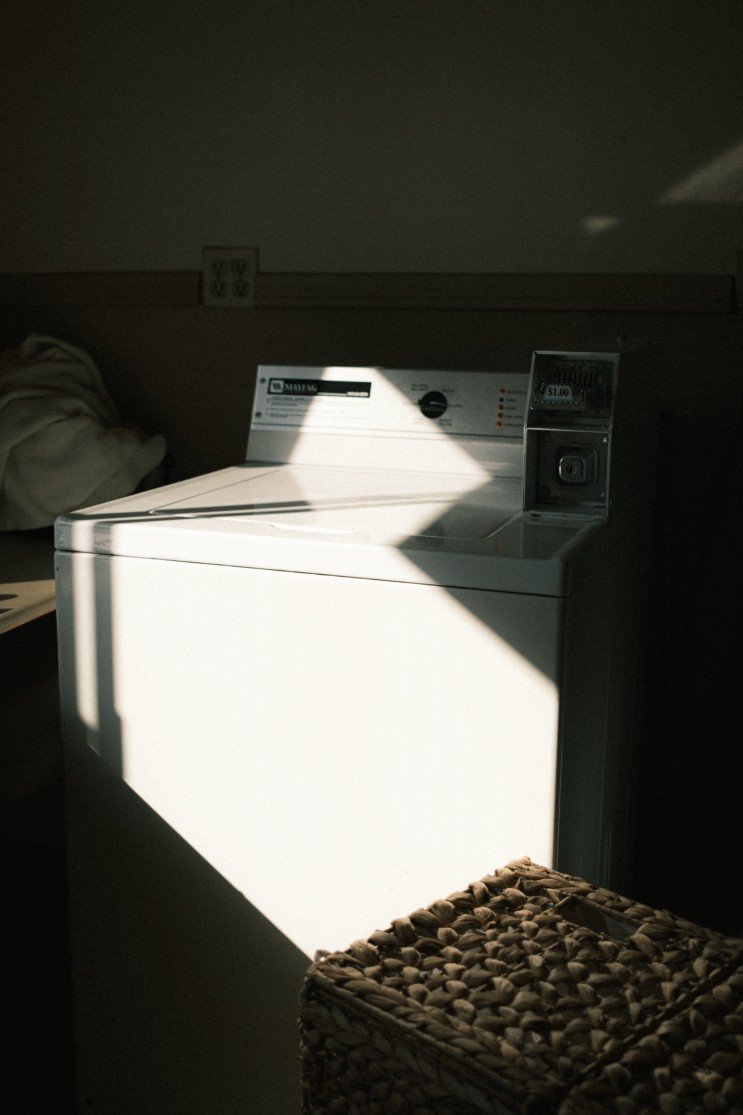
How To Clean A Front-Loading Washing Machine
There's one specific part in a front load washer that you need to pay attention to: the rubber seal or gasket around the door. This part is prone to collecting moisture and dirt, which can lead to mildew growth and unpleasant odors.
Step 1: Wipe Down the Rubber Seal
Spray the gasket with distilled white vinegar and let it sit for a minute. Then, wipe it using a microfiber cloth.
Step 2: Remove and Rinse the Detergent Dispenser
The detergent dispenser drawer is another spot where mold and mildew can grow. Simply remove it from the machine, soak it in hot water, and scrub it with a toothbrush to remove any buildup. Do the same with the fabric softener dispenser.
Step 3: Run a Cleaning Cycle
Similar to the top-loading washer, run a cleaning cycle with hot water and white vinegar.
Step 4: Wipe Down the Interior and Exterior
Finally, end your cleaning by wiping down the interior and exterior of the washer with a damp microfiber cloth. Don't forget to clean the door and any buttons or knobs.
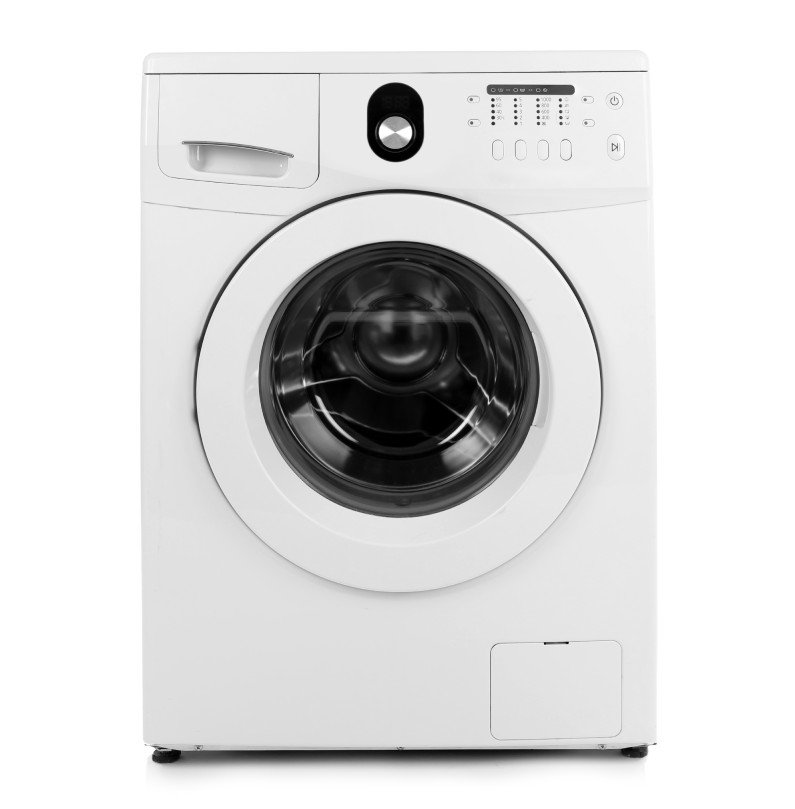
Washing Machine Being Cleaned? No Problem
It takes time to clean and sanitize your washing machine. Let's say you've decided to clean your washer on a certain day. Now, it won't be available for your laundry.
That's not a problem, though. You can simply outsource your laundry to Rinse for the week, and we'll take it from there. Here's why we're the best choice for your laundry needs:
-
Convenience: You don't have to drop off your laundry anywhere. We'll come to you. Our pick-ups are scheduled between 8 pm and 10 pm, so we won't disturb you early in the morning. You can use our app, website, or a text message to request a pick-up.
-
Rush Options: Your washing machine is being cleaned, and a sudden event has come up that you need to go to the next day. Don't worry. We offer Next-Day Rush options, too. We'll deliver your clothes ready to wear.
-
Professional Cleaning: With Rinse at your service, you don't have to worry about the proper washing methods or cycle. Our professionals are trained to handle different types of fabrics and stains.
Apart from regular laundry, we also offer dry cleaning services for those special clothes that need extra care. You can even schedule recurring laundry to make your life easier.
Contact us at Rinse today to see our skill in action.

This article will cover the benefits of outsourcing laundry and why it is important for saving time and keeping clothes in good condition. It will also discuss the essential characteristics to look for in a laundry service and introduce Rinse as an ideal solution for outsourcing laundry needs.
Introduction
In our contemporary, fast-paced society, managing everyday tasks can be overwhelming, particularly when it comes to chores like laundry. But what if you could have someone else do it for you? Outsourcing laundry involves delegating your laundry tasks to a professional laundry service, allowing individuals and businesses alike to focus on more pressing matters. However, it’s not just about cleaning clothes; it’s about freeing up time, ensuring the longevity of fabrics, and maintaining high standards of cleanliness.
For those struggling to keep up with the constant cycle of sorting, washing, folding, and maintaining fabrics, outsourcing is not just a convenience but a necessity. This approach is especially beneficial in sectors like hotel management and housekeeping, where maintaining a constant supply of fresh linen, towels, and bed linen is crucial. With services like Rinse, which offers everything from dry cleaning to commercial laundry service, the benefits are tangible.
We will explore the myriad advantages of outsourcing chores like laundry, including time and cost savings, professional quality, and much more.
6 Benefits of Outsourcing Laundry
Outsourcing laundry, particularly for businesses like hotels and restaurants, can bring numerous advantages. By choosing to outsource their hotel laundry, establishments can focus more on guest services rather than the intricacies of laundering linens and uniforms. This move not only ensures consistently clean and professionally maintained linens but also helps save money in the long run. The cost savings come from reduced investments in laundry equipment, maintenance, replacing garments, and staff training.
1. Time Savings
One of the most significant benefits of using a laundry service is the considerable amount of time it saves. From a personal point of view, the time spent on laundering can be redirected towards more productive or enjoyable activities. From a professional one, employees can be redeployed elsewhere or a leaner staff may result in enhanced profitability. By outsourcing, you can save hours that would otherwise be spent operating a washer and dryer, allowing for better time management and efficiency.
2. Convenience
It is impossible to overstate the convenience that laundry services like Rinse offer. This extends beyond mere washing, but also pickup and delivery services. For businesses, particularly in the hospitality sector (such as gyms), using a commercial laundry service ensures a consistent supply of clean linen and towels, which is crucial for smooth operations and revenue-generating activities.
3. Professional Quality
By outsourcing to reputable companies like Rinse, you can be sure that your clothes, bed linen, or table linen will receive expert care. Professional dry cleaners and launderers use top-grade detergents and techniques suitable for different fabrics, ensuring that each item receives the care it deserves. This level of attention can significantly extend the life of the fabric.
4. Stress Reduction
Handling laundry, especially in a commercial setting like a hotel or gym, can be a source of stress for management. Outsourcing this chore to a reliable cleaning service reduces the burden on internal resources, alleviates stress, and ensures that the focus remains on core activities and customer service.
5. Consistency
For businesses, consistency in cleanliness and fabric care is key. A professional laundry service maintains high standards in every cycle of cleaning, ensuring that every piece of linen or towel reflects the quality of your brand. This consistent quality is crucial for maintaining a positive reputation.
6. Cost-Effective and Maintenance Savings
Outsourcing laundry is a cost-effective choice, especially when considering the expenditure on purchasing, operating, and maintaining laundry equipment. For instance, hotel management can redirect these resources into more revenue-generating activities. Professional services often offer scalable solutions based on volume, which can be particularly beneficial for businesses like hotels and gyms, where laundry needs may fluctuate.
7 Characteristics of A Good Outsourcing Laundry Service
We've established how outsourcing your laundry needs can be a game-changer in terms of saving time and ensuring your clothing and linens are in top condition. However, not all laundry services are created equal. Here are seven key characteristics to look for in a high-quality outsourcing laundry service.
1. Service Quality
The primary indicator of a good laundry service is its quality. This encompasses the range of services offered, from basic laundry to specialized dry cleaning and delicate fabric care. The service should use high-quality detergents and advanced techniques to ensure that everything from table linen to personal garments is cleaned to the highest standard.
2. Reliability
Reliability is crucial, particularly for businesses like hotels that require consistent hotel laundry services. A dependable provider will have a track record of timely and consistent service, ensuring that there are no disruptions to daily routines or business operations.
3. Eco-Friendly Practices
In today’s environmentally conscious world, a laundry service that employs eco-friendly practices is a significant plus. This includes using biodegradable detergents, energy-efficient machines, and water-saving methods. Such practices not only reduce the electric bill but also minimize the environmental impact.
4. Customer Service
Exceptional customer service is a hallmark of a great laundry service provider. This involves clear communication, responsiveness to customer needs, and flexibility in handling special requests. A service that goes the extra mile to ensure customer satisfaction will always stand out.
5. Pickup and Delivery Options
Convenience is key, and a service that offers pickup and delivery options can be a major time saver. This is especially beneficial for bulkier items like bath towels or bed linens or for customers who are unable to visit a laundromat due to time constraints.
6. Comprehensive Range of Services
A versatile laundry service that offers a wide range of services, from regular laundry care to dry cleaning and special garment handling, can cater to a broader client base. Services like sorting, stain removal, and delicate garment care are invaluable.
7. Technology Integration
In an age of digital convenience, a laundry service that integrates technology for ease of use is a significant advantage. This might include online booking systems, digital payment options, and real-time tracking of your laundry’s progress via an app on your smartphone.
The Ultimate Outsourcing Laundry Experience With Rinse
In the modern world, where time is a precious commodity, outsourcing your laundry needs to a professional service like Rinse can be a transformative experience. We stand out as a leading provider in the laundry and dry cleaning industry, aligning perfectly with the essential characteristics of a top-tier laundry service. By choosing Rinse, you are not just outsourcing a chore; you are upgrading to a premium service that promises convenience, quality, and professionalism.
Whether you’re managing a busy household, running a hotel, or just looking to simplify your life, Rinse is the ideal partner for your laundry needs. We are committed to providing a service that is not just a convenience but a lifestyle enhancement. With Rinse you can rest assured that your laundry is in the best hands, cared for with professionalism and attention to detail.
Join the Rinse experience today and transform the way you think about laundry. Outsource your laundry to us and step into a world of matchless quality and convenience!
Contact us at Rinse today to see our skill in action.
Topics
Rinse Drop
We offer pickup and delivery if you can’t be present between 8pm and 10pm.
Our Valet will pick up or deliver your order to your doorstep or concierge, at which point you’ll receive a text with a photo showing where your items were left.
You can enable Rinse Drop on any (or all) of your orders.