Time
Hacks and how-to guides to make life easier.

If you’re tired of spending endless hours on laundry only to end up with wrinkled clothes and stubborn stains, this guide is for you. Discover the best game-changing laundry hacks and tips, and say goodbye to your impending laundry worries. Boost your laundry routine to save time and for cleaner, fresher results!

10 Life-Changing Laundry Hacks You Didn’t Know
Laundry can be a never-ending chore, but with the right tricks, you can make it a breeze. Here are ten genius laundry hacks that will solve everyday problems and transform your routine:
-
Sort Smartly: Instead of sorting by color alone, consider sorting by fabric weight. This ensures a more balanced load and cleaner clothes.
-
Vinegar Magic: White vinegar is your laundry's best friend. Add it to the rinse cycle to soften fabrics, reduce odors, and prevent detergent build-up.
-
Mesh Bag Mastery: Keep socks and underwear together in mesh bags to avoid losing them in the wash.
-
Wrinkle-Free Wonder: To prevent wrinkles, promptly remove clothes from the washer and give them a good shake before drying.
-
Ice Cube Trick: Got a stubborn wrinkle? Place an ice cube on it in the dryer, and it'll disappear as the ice melts.
-
Air It Out: Allow your washer to air out between cycles to prevent mildew and keep your laundry smelling fresh.
-
Inside-Out Wash: To extend the life of delicate fabrics, like those lacy lingerie pieces, wash them inside out to reduce friction and damage.
-
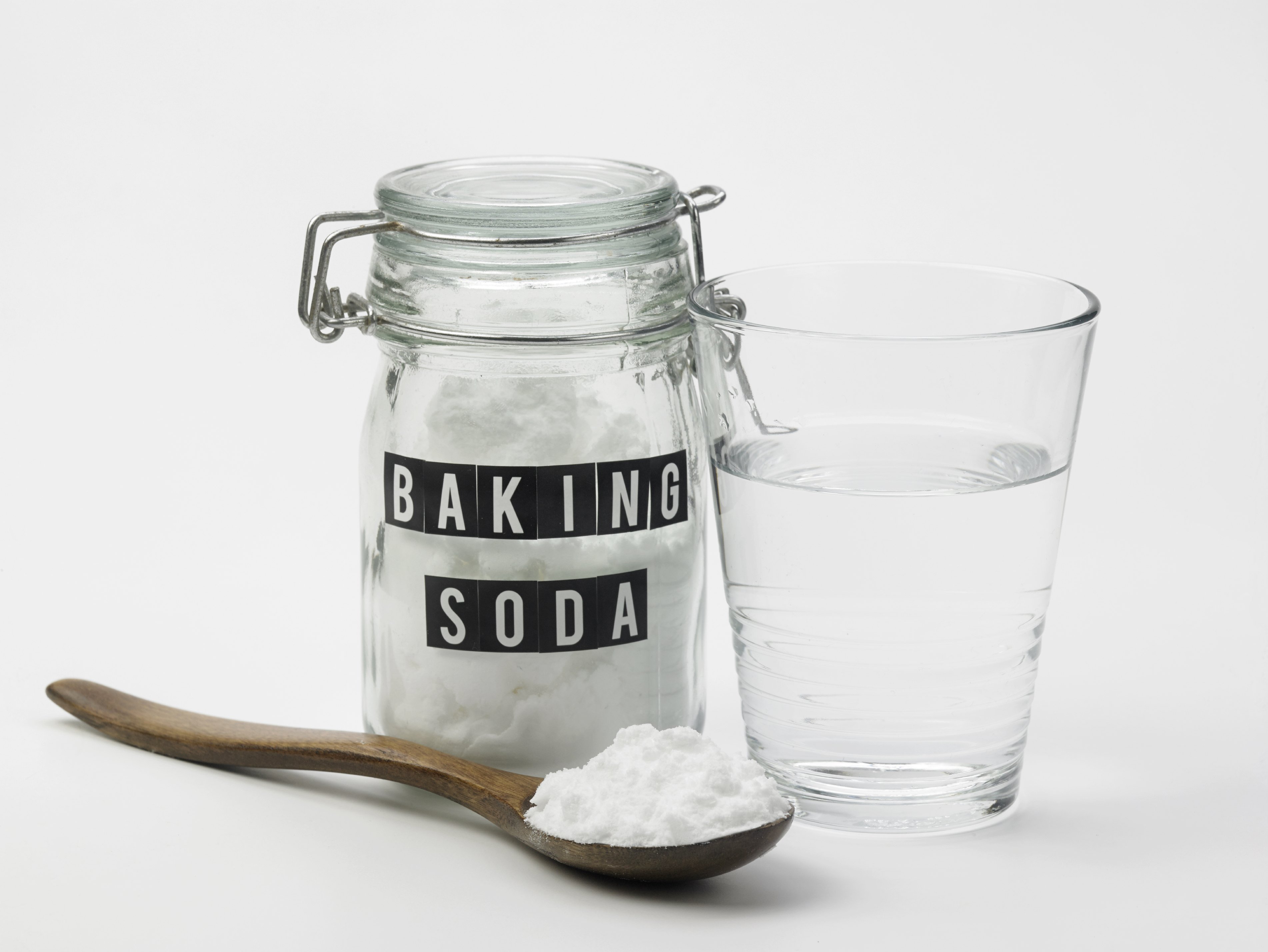
Detergent Build-Up Buster: Periodically strip your clothes by washing them with hot water and a cup of baking soda. This removes detergent residue and leaves your clothes cleaner.
-
Speed Up Drying: Toss a dry bath towel into the dryer with your wet clothes to absorb moisture and reduce drying time.
-
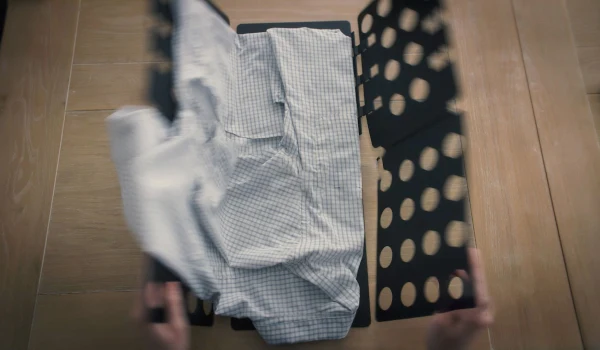
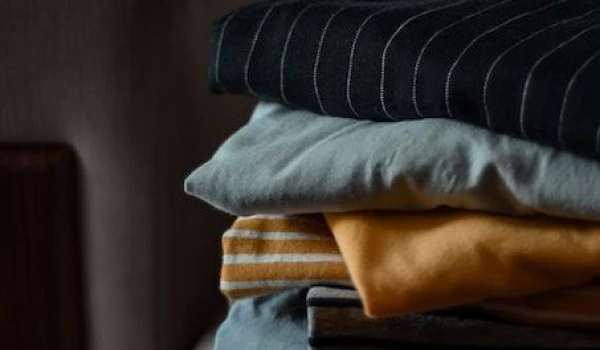
Roll, Don't Fold: When storing clothes, roll them instead of folding. This saves space, reduces wrinkles, and makes it easier to find what you need.
These laundry hacks will revolutionize your laundry game, making it faster, more efficient, and less stressful. Say goodbye to laundry day woes and hello to cleaner, fresher clothes!

1. Sort differently, such as by fabric weight or specific details
Consider sorting by fabric type and weight to prevent issues like garments shrinking in cold water, removing stains effectively, and ensuring your clothing lasts longer. Utilizing mesh laundry bags can also help protect delicate items like sweaters, and understanding laundry symbols can ensure proper care.
2. Let vinegar do the magic
Vinegar isn't just for salads; it's a formidable weapon against laundry woes. Whether you're dealing with stubborn stains, or lingering odors, or just want to achieve cleaner, fresher clothes, vinegar is a versatile and eco-friendly solution. Here are precise tips on when and how to incorporate vinegar into your laundry regimen:
-
Stain Pre-treatment: Before tossing your stained clothes into the washing machine, treat the stains by blotting the affected area with a solution of equal parts vinegar and cold water. This can effectively tackle common stains like coffee, wine, or grass.
-
Fabric Softening: As a natural fabric softener, vinegar helps to soften clothes, making them feel cozy and comfortable. Add half a cup of vinegar during the rinse cycle instead of chemical-laden fabric softeners. This step will leave your laundry feeling soft without any harsh residues.
-
Lint Reduction: To minimize lint on your clothes, place a dryer ball (you can add a few drops of vinegar for extra effectiveness) in your dryer. This will help reduce lint buildup and keep your laundry looking clean.
-
Eliminate Baking Soda Residue: If you've used baking soda as a cleaning agent in your laundry, add vinegar during the rinse cycle to ensure all traces of baking soda are thoroughly removed from your clothes.
-
Brighten and Soften Towels: For vibrant and soft towels, add vinegar during the rinse cycle. This will help to maintain the fabric's quality and ensure it remains fluffy and absorbent.
3. Use mesh bags to keep socks and underwear together
Mesh bags are designed to keep small and delicate items, such as socks and underwear, organized and protected during the washing process. Here's how to make the most of mesh bags:
-
Loading Strategy: Place your socks and underwear inside the mesh bag before adding them to your main wash load. This prevents them from getting entangled with larger garments.
-
Secure Closure: Most mesh bags feature a convenient zipper closure. Ensure it's zipped securely to prevent any items from escaping during the wash.
-
Choose the Right Cycle: Opt for a gentle cycle on your washing machine when using mesh bags. This reduces the risk of excessive agitation that could damage delicate items.
4. Prevent wrinkles by promptly removing clothes from the washer
The washing machine's final spin cycle can leave your clothes in a twisted and wrinkled state. When left in the washer, these wrinkles can set in, making it much more challenging to achieve a wrinkle-free look later. By taking action right after the wash cycle ends, you can prevent this from happening:
-
Set a Timer: As soon as the washing machine signals the end of the cycle, be ready to take action. Set a timer for a few minutes if needed to ensure you don't forget.
-
Act Quickly: Open the washing machine and remove your clothes promptly. If you're transferring them to a dryer, do so without delay. If you prefer air-drying, hang them up immediately.
-
Smooth Them Out: Give each garment a gentle shake and smooth it out with your hands. This simple step can help eliminate wrinkles even further.
-
Enjoy Wrinkle-Free Clothes: By following these steps, you'll find that your clothes are much easier to iron if ironing is necessary at all.
5. Use ice to remove wrinkles
When you add a few ice cubes to your dryer along with your wrinkled clothes, something magical happens. As the dryer runs, the ice cubes melt and turn into steam. This steam creates a microenvironment inside the dryer, which helps relax the fabric fibers, ultimately releasing those stubborn wrinkles. Here's how to do it:
-
Start by selecting the clothes that need wrinkle removal and place them in your dryer.
-
Add a handful of ice cubes to the dryer. The number of cubes can vary depending on the size of your load and the severity of the wrinkles.
-
Set your dryer to its lowest heat setting and run it for approximately 10-15 minutes.
-
Promptly remove your clothes from the dryer, and you'll be amazed at the results.
6. Allow the washer to air out between cycles for more freshness
Washing machines are constantly exposed to moisture and detergent, creating an environment where mold and mildew can thrive. Allowing your machine to air out helps in drying up any remaining moisture, reducing the chances of foul odors lingering in your clothes and laundry room. Try the following:
-
Leave the Door Ajar: After completing a laundry cycle, leave the washing machine door slightly ajar. This simple act allows air to circulate inside the machine, preventing moisture buildup and odors.
-
Clean the Gasket: Ensure that the rubber gasket around the door is clean and dry. Wipe it down with a towel or cloth after each use to prevent moisture retention.
-
Empty the Detergent Drawer: Remove the detergent drawer and empty any remaining water or detergent. This prevents the buildup of detergent residues that can contribute to unpleasant smells.
-
Run a Cleaning Cycle: Periodically, run an empty hot water cycle with a cup of white vinegar to clean the interior of your washing machine and keep it smelling fresh.
-
Use Aluminum Foil: Place a small sheet of aluminum foil in the drum of your washing machine to absorb scents between washes.

7. Extend the life of delicate fabrics by washing them inside out
Delicate fabrics require extra care to ensure they remain in pristine condition over time. One effective technique to protect these garments from wear and tear is to wash them inside out. This practice preserves color and print, reduces pilling, and prevents snags. You can further protect your delicates if you:
-
Use a mesh laundry bag to provide an extra layer of protection. Place the delicate garment inside the bag before washing it to further minimize contact with other items.
-
Choose a mild, delicate-specific laundry detergent to clean these fabrics effectively while being gentle on the fibers.
-
Avoid using bleach or stain removers, as they can be too harsh for delicate fabrics. Instead, treat stains with a mild stain remover specifically designed for delicate materials.
8. Strip clothes to avoid detergent build-up
Stripping clothes is a process that helps eliminate these issues, leaving your garments cleaner and fresher. To strip your clothes effectively, follow these steps:
-
Gather Your Materials: You'll need hot water, bleach, borax, washing soda, and your soiled garments. Ensure you're wearing gloves and working in a well-ventilated area when using bleach.
-
Fill the Bathtub: Start by filling your bathtub with hot water. Make sure there's enough water to submerge all the clothes you want to strip.
-
Add the Ingredients: Mix in a cup of borax, a cup of washing soda, and a half cup of bleach. Stir the water to dissolve these ingredients.
-
Submerge the Clothes: Place your clothes in the bathtub, making sure they are fully submerged in the water. Use a mesh laundry bag for delicates.
-
Soak and Agitate: Allow the clothes to soak for several hours or overnight. Periodically agitate the water to help dislodge the detergent buildup and residues.
-
Rinse Thoroughly: After soaking, drain the bathtub and rinse the clothes thoroughly with cold water until all the detergent, bleach, and residues are gone.
-
Air Dry: Finally, air dry your garments on a drying rack or clothesline.
9. Dry clothes faster with dry bath towels
This clever laundry hack involves using dry bath towels in your dryer. The concept is simple but effective: by placing dry towels in with your wet laundry, you can significantly reduce drying time and, consequently, save on energy consumption. This technique is particularly advantageous for bulkier items or larger loads, ensuring your clothes dry faster and also helps prevent issues like shrunken garments, which can occur with prolonged exposure to high heat.
10. Optimize your storage space by rolling your clothes
For a space-saving alternative to traditional folding for your clothes, consider the technique of rolling. Rolling your clothes can be especially advantageous when dealing with limited storage space, such as in drawers or suitcases. This method not only helps maximize the available space but also allows for quicker access to your clothing items.

Laundry? Worry no more!
In the quest for cleaner, fresher clothes while saving valuable time, these laundry hacks are your trusted companions. From effective stain removal techniques to preventing shrunken garments, these tips are game-changers.
However, if you ever seek a helping hand in your laundry endeavors, remember that professional laundry services like Rinse are here to assist. With our expertise and commitment to quality, we can further simplify your laundry routine. Make laundry a breeze today!
Contact us at Rinse to see our skill in action.

Laundry can be a daunting task, especially if you have a large family or a busy schedule. However, with a little organization and some smart strategies, you can stay on top of it and prevent it from becoming a never-ending chore. Join Rinse in going over some practical tips to help you keep up with laundry, as well as some recommendations for essential laundry supplies.
Introduction
Are you glad you just finished doing a load of laundry but dread how short-lived the satisfaction lasts? Do you feel like clothes pile up faster than you can clean them? Let's take Catherine's experience as an example.
She has two young kids and works a full-time job. She simply does not have time and energy to keep up with the ever-increasing pile of dirty clothes that appears in the laundry basket. Even though she spends a good chunk of her Sunday in the laundry room, she is not satisfied with her current routine – there are always more garments to toss in the washer or items that require ironing and folding.
Luckily, Catherine began using the below tips to deal with dirty laundry and started to turn this ritual into a more efficient and even enjoyable endeavor.
10 Tips to Keep Up with Laundry
-
Use a Divided Laundry Sorter: This is a simple change you can make, but one that will save you countless hours in the long run. Instead of having laundry hampers in everyone's rooms and going around to collect piles every week, use a divided one. The sorting (whites, colors, delicates) will be done for you and ready to be placed in the washing machine. This will not only save you time but also preserve the quality of your clothes.
-
Create a Schedule: Set specific days and times for laundry and adhere to them. For instance, you can designate Mondays for clothes and towels and Thursdays for bed linens and blankets. This ensures your laundry room organization is maintained while preventing the pile from accumulating. You can also set specific times if your appliance allows, such as loading the machine the previous night and programming it to run first thing in the morning.
-
Do Smaller Loads More Frequently: You don't need to fill your washer to the brim to run a load. Prevent feeling overwhelmed by breaking it up into more manageable volumes over the week.
-
Shop with Laundry in Mind: If you find yourself shopping for new clothes, make sure to consult the item's care tag and laundry symbols. Make your life easier by staying away from hand wash-only or drying rack-only garments where possible. Also, consider the fabric and how easy ironing will be.
-
Pre-Treat Stains: A stain remover pen should always be handy. Treating spills immediately will help reduce the time needed to hand wash those stains on laundry day.
-
Enlist Help: If you have mountains of laundry to do, you are likely not the only person in your household. Get help from your partner or children, whether it be sorting or making sure everything is folded properly. This will not only lighten your load but also teach children and teenagers the valuable skill of doing laundry.
-
Have a Lost Socks System: Avoid losing socks during the process and use a mesh bag for all your socks. This will prevent them from disappearing when placed in the laundry room, washing machine, and dryer.
-
Hang Clothes Right Away: Take your clothes out of the dryer as soon as they are done to avoid wrinkles. This will reduce time spent on the ironing board and will keep your clothing looking in top condition.
-
Embrace Multitasking: While your washer or dryer is running, you can keep working on other tasks to make the most of your time. For instance, you can sort socks, fold clothes, iron, wash dishes, or do other chores.
-
Make Laundry Fun: Be creative and find ways to make this chore more enjoyable. Maybe you throw on a podcast or audiobook while you work. Perhaps you spoil yourself with a glass of wine during the cleaning ritual. You could even call a friend during your folding and as you put your washed clothes away in the closet or drawers.
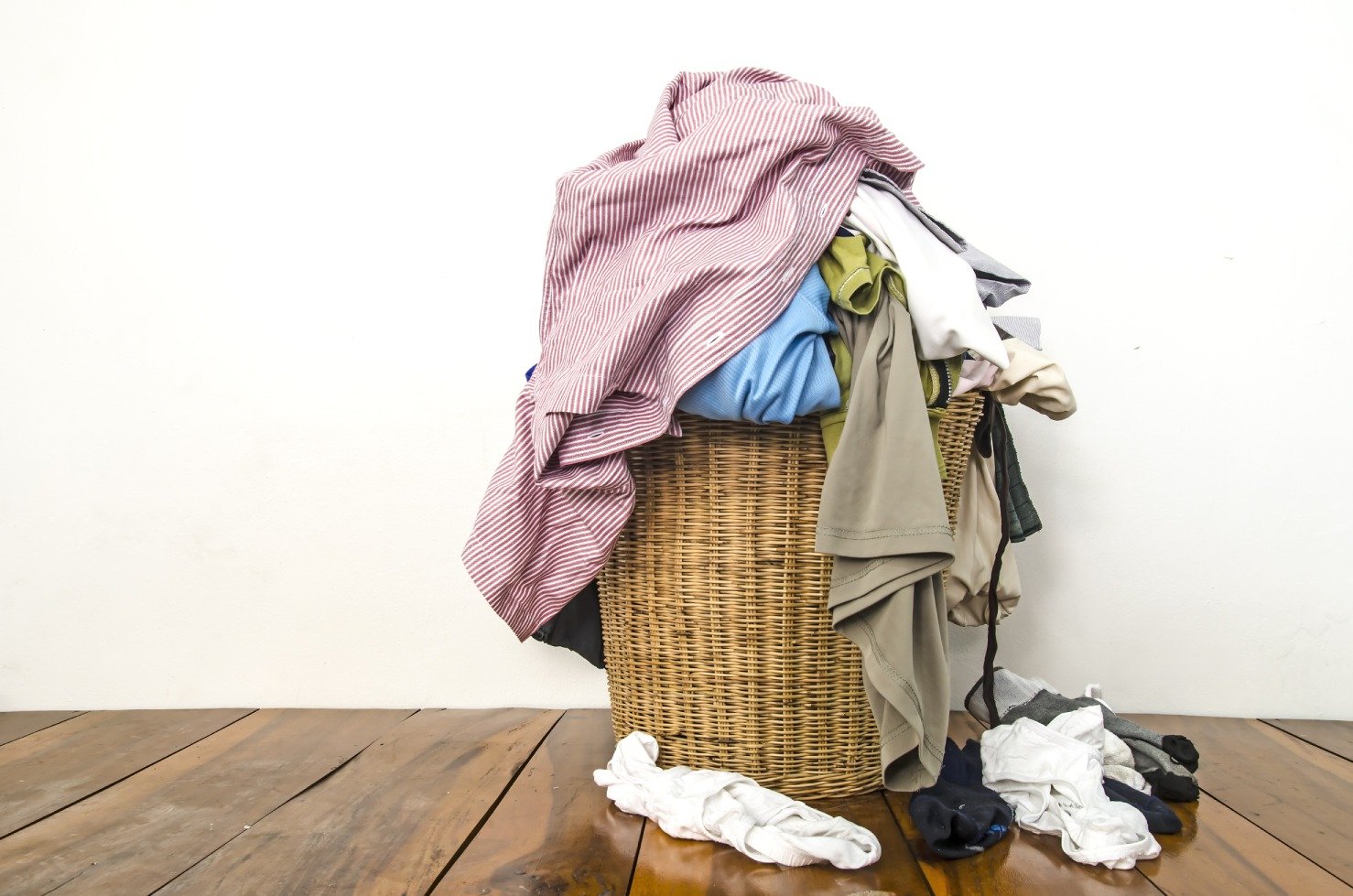
Laundry Supplies to Always Have at Hand
When it comes to doing laundry, having the right supplies handy can make the task much easier. Here are some essential laundry supplies to always have in your laundry room:
-
Detergent: Choosing the right detergent is crucial in ensuring that your clothes come out clean and fresh. Whether you prefer a liquid, powder, or pods, make sure to select one that works well for your family's needs. Consider factors such as scent, stain-fighting power, and compatibility with different fabric types. There are also natural and sustainable detergents that you may consider.
-
Fabric Softener: If you enjoy the feeling of soft and cuddly clothes, opt for a fabric softener or dryer sheets. These products not only make your clothes feel cozy, but they also help to reduce static and wrinkles, making ironing a breeze.
-
Stain Remover: As mentioned above, having a stain remover pen or spray can be incredibly useful. Whether it's a coffee spill, grass stain, or ink mark, a good stain remover can work wonders in removing those pesky blemishes and keeping your clothes looking their best.
-
Bleach: Bleach is a powerful whitening agent that can help restore the brightness of your whites. Just be sure to follow the instructions carefully and use it sparingly to avoid damaging your clothes.
-
Laundry Hampers and Baskets: We went over why divided laundry hampers can be a hack above, but having multiple baskets to place folded clothes is a convenient temporary (and organized) laundry room storage solution until you put the clothing away.
-
Hangers: Make sure to always have some plastic hangers for items requiring air drying. This will ensure wrinkles are kept at bay.
-
Mesh Bags: A mesh laundry bag is a must. We have referenced it above to keep track of socks, but it can also be used to protect delicates (such as athleisure or underwear) in the washer.
-
Iron and Ironing Board: Whether it's a dress shirt, a pair of pants, or a delicate blouse, having these tools readily available will ensure that your clothes look crisp and wrinkle-free. Take the time to learn proper ironing techniques to achieve professional-looking results.
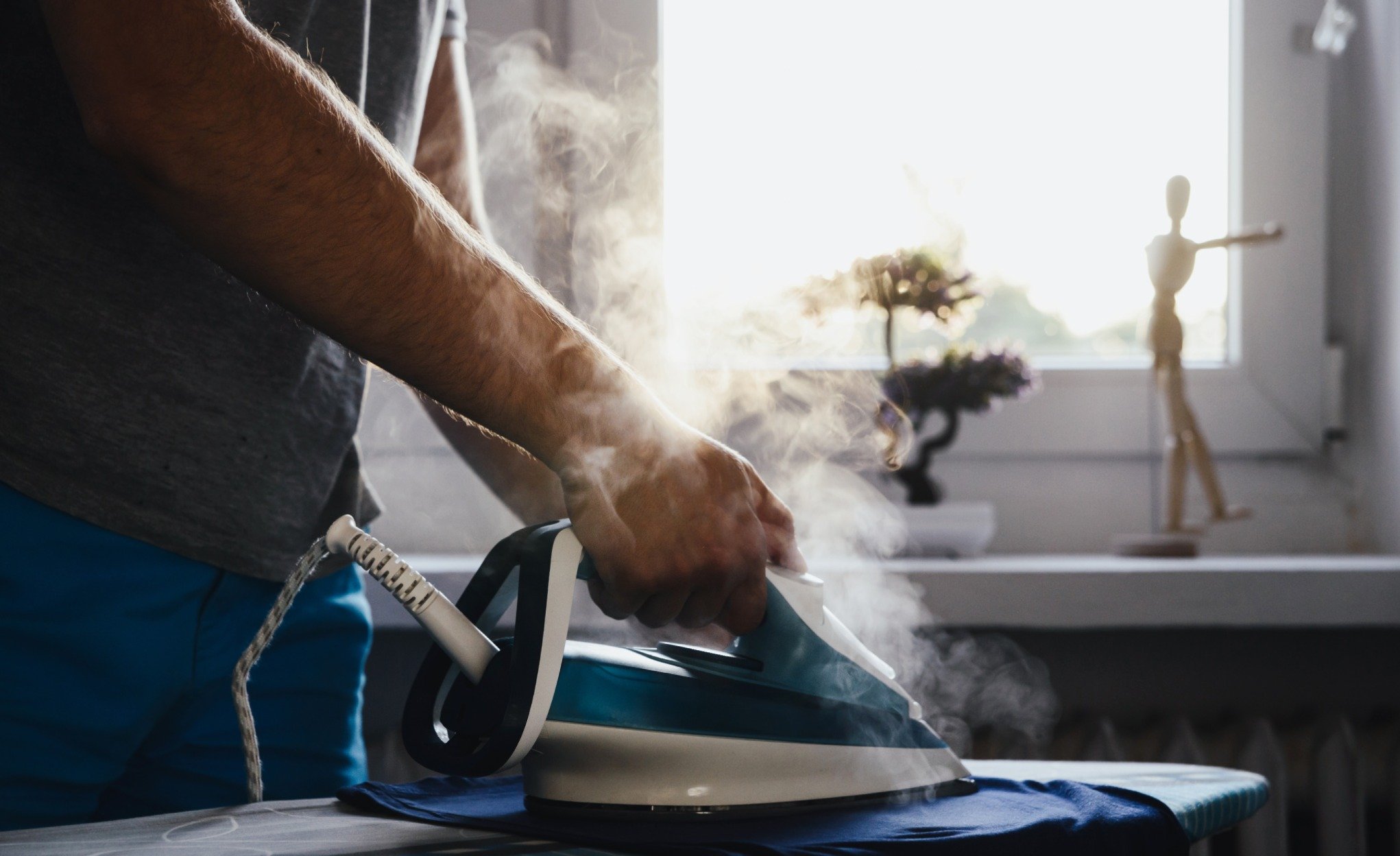
By implementing these tips and ensuring you have the right supplies at hand, you'll be well on your way to keeping up with the laundry and saying goodbye to laundry hassles. With a little effort and planning, you'll have clean and fresh clothes whenever you need them.
However, if you don't have the time or energy to work through your laundry pile, consider a laundry service to take care of this for you, such as Rinse. Our customers claim that we give them 3 hours back per week while leaving their clothes clean and crisp.
Explore our comprehensive wash & fold and dry cleaning services, and let us tackle those stains, ensuring your clothes look as good as new. Your wardrobe will thank you!
Contact us at Rinse today to see our skill in action.

This article seeks to raise awareness about the environmental impact of conventional laundry practices. It educates readers about the significant environmental costs associated with traditional laundry methods, from energy consumption to toxic detergents, and offers practical tips for making their laundry routines more eco-friendly.
Introduction
It may not be our favorite chore, but doing laundry is a recurring task that we must do. Perhaps you do it at home, at a laundromat, or through a laundry service, but the impact on the environment is present regardless.
Doing laundry consumes energy as considerable electricity is needed to power washing machines and dryers, water must be heated, and laundry detergents can contain harmful chemical byproducts (not to mention the plastic packaging it usually comes in). Overall, doing laundry can be quite harmful to the environment.
Luckily, there are several eco-friendly actions we can take to minimize the impact our cleaning practices have on our planet, while still enjoying clean and fresh clothes. Join us in going over 10 actions you can take today to make laundry greener and more sustainable!

10 Tips and Hacks for an Eco-Friendly Laundry
-
Wash less often: The easiest way to be more sustainable when it comes to laundry is to simply do it less often. Sure, some garments like underwear and socks need to be washed after each use, but this does not apply to others, such as jeans or sweaters. Not only that, but your clothes will also last longer as they are not going through the rigors of the washer and dryer as often.
-
Use cold water: Most laundry detergents or laundry pods sold today are designed to work just as well in cold water. Not only does using cold water reduce your utility bill (heating water is what consumes the most energy during a wash cycle), but it also protects your clothes from shrinking or bleeding. Switching to this eco-friendly practice sounds like a no-brainer.
-
Replace plastic jugs: Your favorite laundry detergent powder or laundry pods might only come in a plastic container or jug. While recycling is ideal, most of these containers are likely to end up in landfills. There are zero waste options available to avoid this, such as finding stores that offer laundry detergent or soap refill stations. Otherwise, purchase laundry detergent that comes in sustainable packaging, with minimal plastic. This also applies to laundry sheets or other chemicals used, such as brighteners.
-
Consider a front-loader: A front-loading washing machine uses less water than a top-loading equivalent. This means fewer resources are needed throughout the process – less water, less energy heating water, faster cycles, and less time in the dryer as clothes come out less wet from the washer.
-
Try using eco-friendly detergent: There are several laundry detergents with sustainable labels on them. They are often made without harmful chemicals and are biodegradable. They come in all formats, whether you prefer liquid laundry detergent, laundry sheets, or soap nuts. A brand we recommend is Dropps, which is made with plant-based ingredients and comes in cardboard packaging.

-
Experiment with natural detergents: Sometimes the best laundry detergent is one that you piece together. Avoid harsh chemicals and employ a DIY approach, such as using vinegar, baking soda, and lemon juice as stain removers. Soap nuts are also a favorite here – they are 100% natural and are anti-bacterial and anti-fungal. You can also laundry strip your items, especially towels. This technique involves using a few ingredients, such as borax, washing soda, and Calgon to deep clean.
-
Skip using fabric softener: There are some harmful chemicals in fabric softeners that are released into local water systems after a wash. For instance, phosphates can cause toxic algae to grow. Softeners also often contain fragrances that can transfer onto the skin and cause irritations, breathing difficulties, or issues with the reproductive system. Then there is the issue of dyes, which softeners or brighteners feature – these chemicals can also cause sensitive skin reactions, asthma, and have been linked as a carcinogen.
- Use a microfiber filter: Synthetic clothes (and especially sustainable clothes made out of recycled plastic) shed plastic particles when washed. Municipalities' water treatment plants are not equipped to filter these out, causing them to end up in waterways and soil. This causes great harm to ecosystems and our health. To prevent this, consider purchasing a filter or using a microfiber mesh bag to capture these micro-pollutants.
-
Embrace hang drying: Not using a dryer is a great way to save energy and keep your clothes' fabric preserved and in great shape. Using a clothesline or drying rack to air dry your laundry outdoors (if possible) will leave your clothes smelling fresh too.
- Procure wool dryer balls: The dryer sheet you use right now might be single-use, non-biodegradable or compostable, and full of chemicals. A sustainable alternative to this is wool dryer balls, which reduce static and wrinkles, accelerate drying time, and can even give your clothes a great scent if you spray them with essential oils.
Join the Green Laundry Revolution with Rinse
Another option you may consider is outsourcing your laundry and dry cleaning needs to a service provider that is sustainability-focused. For instance, the most widely used solvent in dry cleaning has historically been perchloroethylene ("perc"). While it is being phased out of the industry, it has been a slow process.
Instead of needing to check your provider, you should consider Rinse as a green service provider. Rinse is committed to an environmentally friendly cleaning process. We are 100% perc-free, work with cleaning partners with high-efficiency equipment, use biodegradable poly bags, and recycle hangers.
Not only that, but you can rest easy knowing your clothes will be laundered or dry cleaned with the care and quality our customers have come to love. They also mention that we save them 3 hours per load of laundry – time you can use more productively elsewhere!
Contact us at Rinse today to see our skill in action.

We aim to guide readers in optimizing their laundry routines for efficiency and convenience. We also provide valuable insights and practical advice to help readers streamline their laundry processes, saving time and effort.
Introduction
Laundry is a seemingly never-ending chore that takes up a considerable chunk of our lives. For many of us, it's a task we approach with a sigh and a sense of resignation – a cycle that repeats with metronomic regularity. Sorting, washing, drying, folding – the steps seem endless, and the laundry room can quickly become a battleground of mismatched socks and a sea of wrinkled clothes.
We all have our laundry horror stories: the red sock that turned a load of whites into a rosy disaster, the battle against stubborn stains that seem impervious to even the most potent detergents, and the mysterious disappearance of socks into the black hole of the washing machine. The laundry room is often where we wrestle with lint, grapple with folding fitted sheets, and embark on epic quests to rescue shrunken sweaters.
But what if we told you there's a way to turn the tide in the war against laundry? What if you could transform your laundry routine from a time-consuming hassle into a streamlined, efficient process? It's not a pipe dream; it's a reality within your reach. This guide will provide valuable insights and practical advice, from tackling tough stains to optimizing your washing machine's settings. We've got you covered.
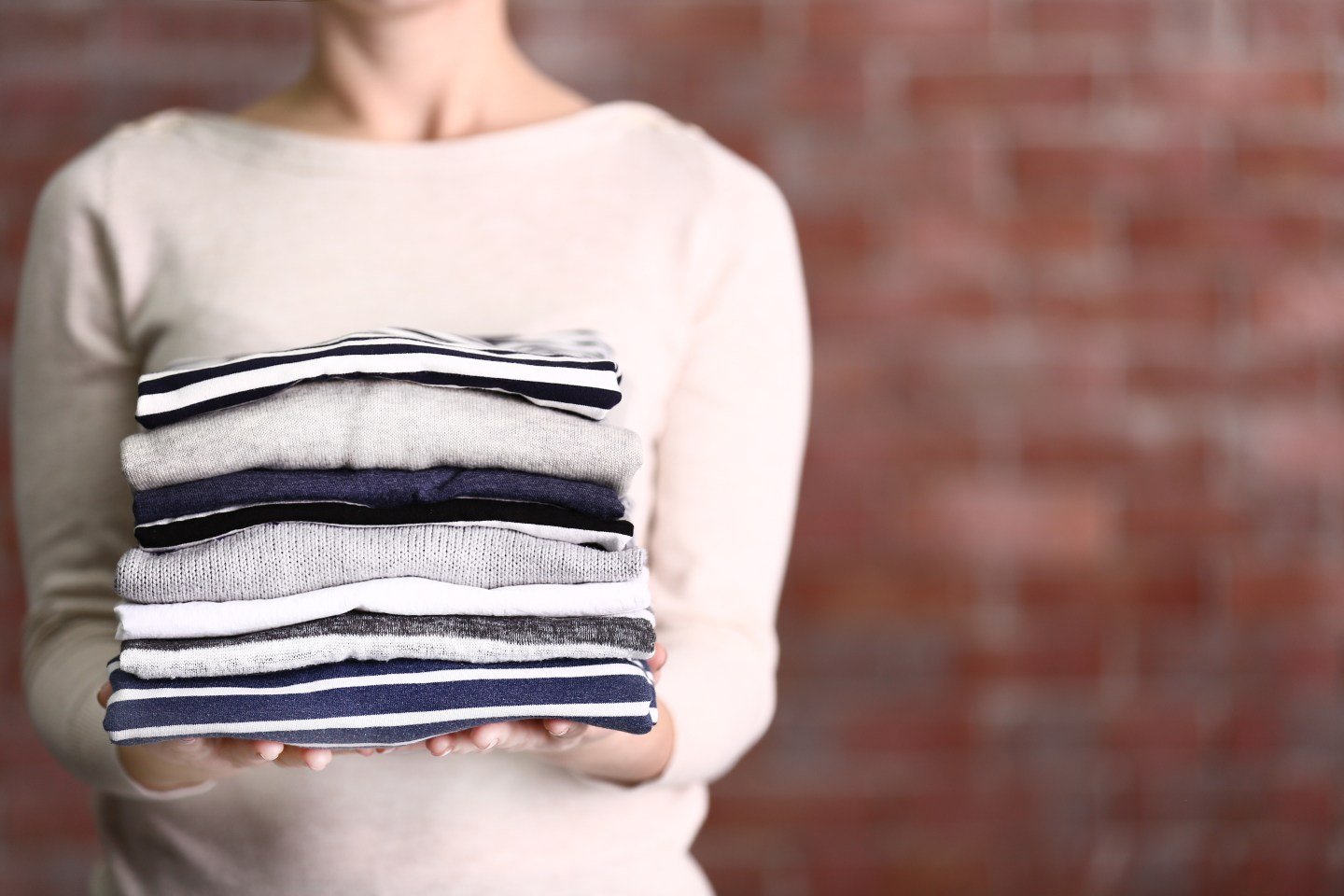
Laundry Routine 101
Laundry is a task that never seems to end. As soon as you conquer one load, another pile of dirty clothes appears seemingly out of nowhere. You need a well-defined laundry routine to take control of your laundry and make it a more manageable chore. Here are the steps to achieve this.
1. Define a Weekly Schedule
The key to an effective laundry routine is having a clear schedule that fits your lifestyle and household needs. Here are several scheduling options to consider, each with its advantages and drawbacks:
-
One Big Laundry Day: Dedicate one day a week to doing all your laundry at once. This option allows you to forget about laundry for the rest of the week but can be time-consuming and exhausting.
-
Daily Small Loads: Do a small load of laundry every day. This approach keeps the laundry from piling up and prevents the need for a massive laundry day. However, it may not be suitable for those with busy schedules.
-
Category-Based: Assign specific types of clothing to different days of the week. For example, dedicates one day, another to washing towels and bedding, another to clothing, and so on. This approach ensures that each type of laundry gets proper attention, but can still be time-consuming.
-
Person-Based: Divide the laundry routine by person in your household by assigning specific days to each family member. This method distributes the workload but requires more planning and coordination.
Each scheduling option has its merits, and the right one depends on your preferences and daily routine. Consider what works best for your household, and don't hesitate to experiment until you find the optimal schedule. Remember to use laundry baskets to keep dirty laundry organized and easily accessible. Printed labels can be a helpful tool to keep baskets streamlined.

2. Create a Routine that Fits Your Day
One of the most effective ways to optimize your laundry routine is to align it with your daily schedule. Incorporating laundry tasks into your day without causing disruptions can make laundry feel less of a burden. Here's an example of a laundry routine you can try:
-
Preparation Before Bed: Gather all the dirty laundry in a laundry basket before sleeping. Sort it if necessary, separating whites from colors and delicates from regular items.
-
Start the Washer in the Morning: Transfer the laundry from the basket to the washing machine as part of your morning routine. Add the appropriate laundry detergent, and set the washing machine to the desired cycle. This way, the laundry gets cleaned while you go about your day.
-
Move to the Dryer After Completion: Once the washing cycle is complete, promptly transfer the wet clothes to the dryer. Use a dryer sheet to reduce static and wrinkles. Add wool dryer balls to speed up drying time and soften fabrics, if desired.
-
Folding and Storage Before Bedtime: When you have downtime, fold and organize the dried laundry in the evening. Put away clean clothes in their respective drawers or closets.
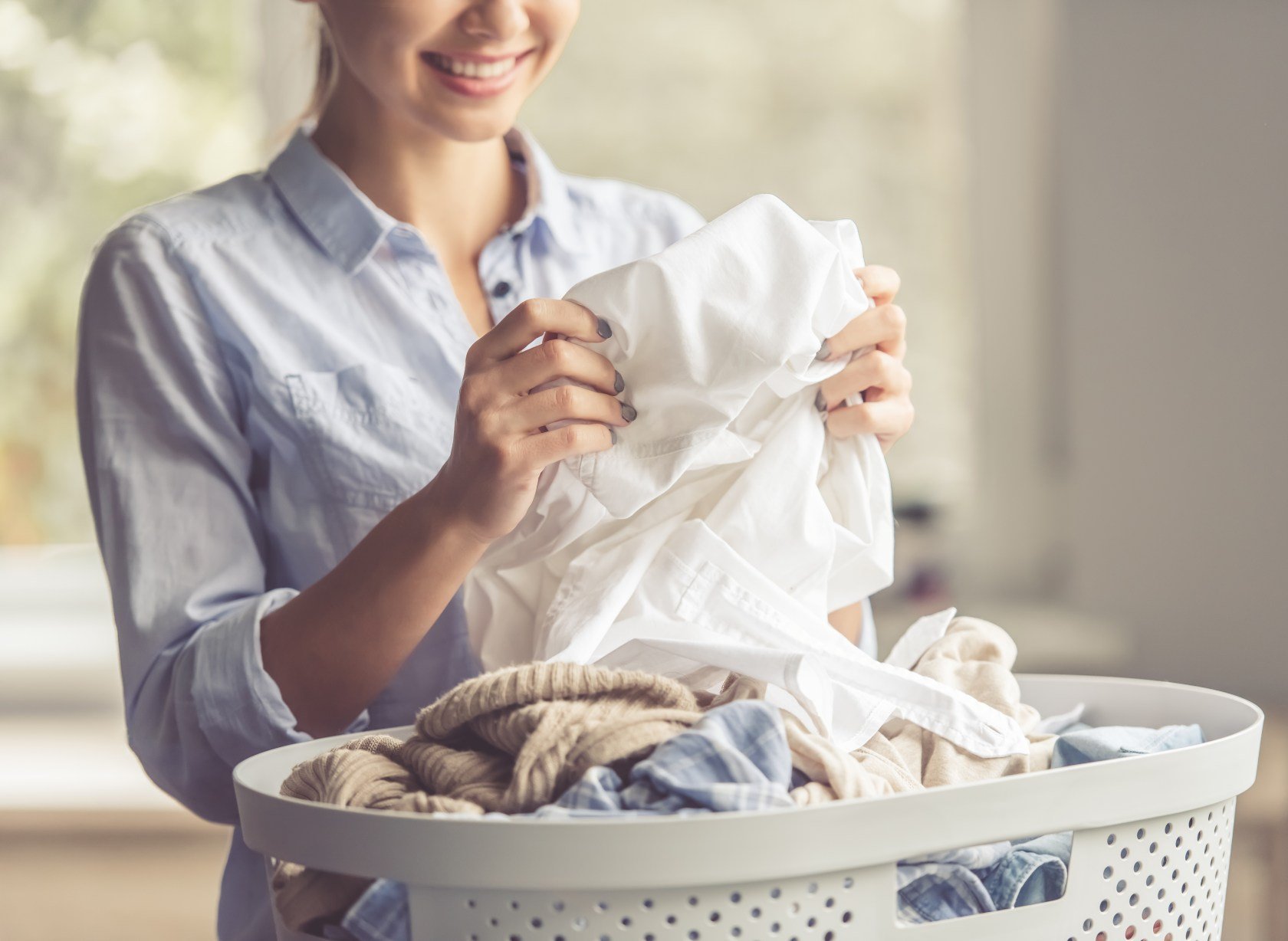
3. Divide and Conquer
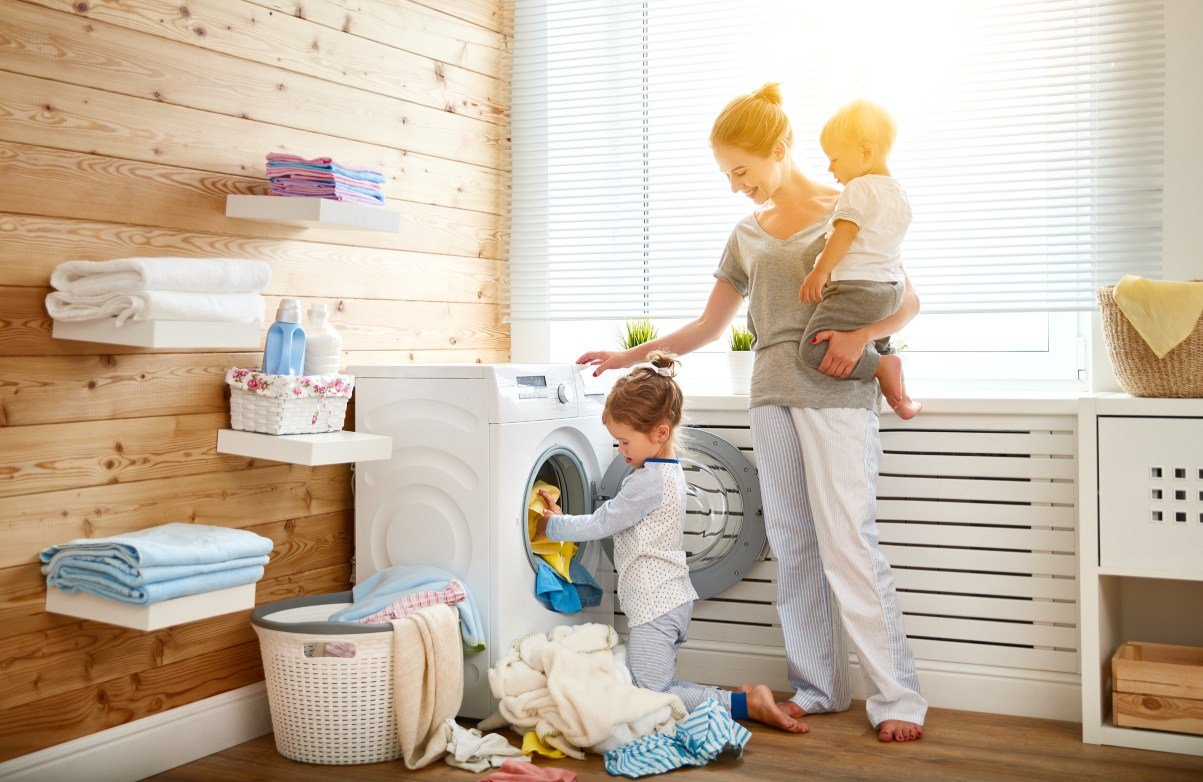
For families or larger households, tackling laundry can be daunting. However, with a strategic approach to dividing tasks among family members or housemates, laundry day becomes a breeze.
Here's how you can divide and conquer laundry tasks effectively:
-
Sorting: Begin by designating someone to handle sorting. This person's responsibility is to separate laundry items by color, fabric type, and care instructions. Sorting ensures that each load is optimized for the best washing results.
-
Washing: Assign the washing duty to one individual. This person loads the sorted laundry into the washing machine, adds the appropriate detergent, soap, or stain remover, and selects the suitable wash cycle. Using a fabric softener or white vinegar can help maintain fabric quality and freshness.
-
Drying: The next team member prepares the clean clothes after they are washed. They transfer the wet laundry to the dryer, cleaning the lint filter before starting the machine. To speed up drying time, consider using wool dryer balls as mentioned above.
-
Folding and Ironing: Once the laundry is dry, another member can handle folding or ironing, depending on the specific items. A well-organized drying rack can be particularly useful for delicate items.
-
Putting Away: The final task is putting away the neatly folded or ironed clothes. Each family member can be responsible for returning their clean clothes to their respective drawers or closets.
By dividing laundry tasks this way, you distribute the workload and make the process more efficient. Additionally, it's an excellent opportunity for family members or housemates to work together and share responsibilities. Not only does this approach save time, but it also fosters cooperation among everyone involved.
Simplifying Your Laundry
In the quest to streamline your laundry routine and make it as effortless as possible, one final tip can truly transform your laundry experience: outsourcing your laundry tasks to professionals. With Rinse, you can simplify your life and enjoy the luxury of clean, fresh clothes without the hassle of complex laundry routines. Using Rinse for your laundry needs, you can say goodbye to sorting, front loading, washing, drying, folding, and ironing. Instead, let our experts handle every step of the process, giving you more time to focus on what truly matters in your life.
Here's why Rinse is the solution to your laundry woes:
-
Convenience: Our pickup and delivery services make laundry incredibly convenient. No more trips to the laundromat or dealing with bulky laundry baskets. Just schedule a pickup, and we'll take care of the rest.
-
Professional Care: We treat your clothes with the utmost care. From washing and drying to folding and packaging, our experienced team ensures that your garments are handled with precision and expertise.
-
Time Savings: With Rinse, you can free up hours each week. Imagine what you could do with that extra time – spend it with loved ones, pursue hobbies, or relax and unwind.
-
Customization: We understand that each customer's laundry needs are unique. Whether you prefer hypoallergenic detergents, specific wash temperatures, or special folding instructions, we tailor our service to meet your preferences.
-
Quality Guarantee: We stand behind the quality of our service. If you're unsatisfied with any aspect of your Rinse experience, we'll make it right.
Contact us at Rinse today to see our skill in action.

This article provides insights into a comfortable outdoor experience by understanding the essentials of washing your sleeping bag. Learn the proper techniques for both machine and hand washing, as well as effective stain treatment methods. Discover how Rinse's specialized cleaning services can maintain the longevity and coziness of your sleeping bag for your next outdoor adventure!
Introduction
The backpacking season is around the corner, and your family is one known for adventure. But before you can embark on that great quest, you need to prepare the camping gear.
The sleeping bag is possibly the most essential must-have for an outdoor experience, which is why washing and drying it in time is necessary. Ideally, you should wash it once a year. But if you're a camping enthusiast, you'll need to wash it more frequently.
A clean sleeping bag is not only hygienic but will also provide you with much-needed comfort after a long day of being in the wilderness. Let's teach you how to wash a sleeping bag so that you never have to come back to a sleeping bag with a nauseating blend of body sweat and the remnants of the last trip's mishaps.

Things To Know Before Washing
Sleeping bags are expensive. You don't want to throw hundreds of dollars down the drain (quite literally) by simply throwing a sleeping bag in a front-loading washer and calling it a day.
Instead, check the sleeping bag's label for washing instructions. If your sleeping bag has a down filling, it would need a special detergent. The Nikwax Down Wash is an excellent example since it's mild and won't damage the feathers.
It's okay to machine-wash most sleeping bags. However, don't wash yours in a top-loading machine, especially one with a center agitator. The agitator can damage the sleeping bag's baffles, which are small compartments that lock in the down.
Another thing to keep in mind is not to use a fabric softener. Do not use chlorine bleach, or any bleach for that matter, either. These chemicals affect the bag's water repellency and insulation.
Even if you have a washing machine or dryer at home, you might want to take a trip to the laundromat if your washer's capacity is too small – a sleeping bag needs room to move around.
As for hand washing, it's possible to hand wash a sleeping bag. However, it's a time-consuming process. Be prepared for an hour's worth of grueling work.

How to Machine-Wash a Sleeping Bag
Machine washing a sleeping bag isn't too tricky. Start by gathering the following materials: laundry detergent and tennis balls (or dryer balls). Now, you're all set to follow these steps.
Preparing the Washing Machine
If you're familiar with the washing machine cycles, you're golden. But if you're not, check out our guide here.
For a sleeping bag, set the washing machine on a permanent press or gentle cycle. Since these cycles are relatively gentler, they're perfect for the sleeping bag's delicate materials.
Don't wash anything else with the sleeping bag. Putting other clothes in the machine can cause friction. It also takes up space the sleeping bag needs to move around.
Adding a Suitable Detergent
Choose a gentle, non-bio detergent for your sleeping bag. Avoid using too much because it can build up, creating a breeding ground for mold and malodor. If the sleeping bag has stubborn stains, you can spot-clean them before machine-washing. Just be careful not to overdo it with the detergent.
Most sleeping bags have synthetic insulation. It is made of polyester fibers that are ideal for people with allergies and are relatively easy to clean. A general-purpose detergent can be used here. However, use a gentle laundry detergent if you have a down or natural-filled sleeping bag. Read the detergent label to see if it's suitable for down-filled products.
Using a standard laundry detergent for down-filled sleeping bags can result in clumping. It may also reduce the loft of the sleeping bag, which is a fancy way of saying its air-trapping ability will be lessened.
Washing the Sleeping Bag
Wash your sleeping bag in lukewarm or cold water. The permanent press cycle has a low final spin speed, which helps remove excess water from the sleeping bag. However, if the sleeping bag is still too wet, you can run it through another spin cycle.
Drying the Sleeping Bag
Remove the sleeping bag from the washing machine and put it in the dryer on low heat. You can also put in a dryer ball or a tennis ball to aerate the bag. A dryer ball also prevents clump formation by breaking up the fiberfill.
If you don't have a big enough dryer, you can air-dry your sleeping bag. Lay it out flat or hang it up outside to dry. Reposition it a few times during the day so that it dries evenly.
If you choose to air dry your sleeping bag, make sure it is completely dry before storing it away. Any remaining moisture can lead to mold or mildew growth, which can ruin the bag's insulation and create an unpleasant odor.
How to Hand Wash a Sleeping Bag
You don't necessarily need a washing machine to wash a sleeping bag. If you have a bathtub and no-rinse detergent, you can clean it by hand. Here are the steps:
Preparing the Cleaning Solution
Fill a bathtub with lukewarm water. Alternatively, you can use your little one's pool or a large basin. Add a mild no-rinse detergent, following the manufacturer's instructions.
Soaking the Sleeping Bag
Soak the sleeping bag in the solution, ensuring it is fully submerged. Agitate the bag with your hands so that the detergent can penetrate the fabric and remove dirt and odors.
Let it soak for at least an hour or longer if needed.
Rinsing the Sleeping Bag
Rinse the sleeping bag with clean water until all the soap is removed. You may need to rinse it multiple times to ensure there is no residue left behind.
Don't wring the sleeping bag, though. You'll end up damaging the fabric and possibly ruining the insulation.
Drying the Sleeping Bag
Again, you can dry the sleeping bag outside on a clothesline or a drying rack. If you want to use a dryer, set it at a low heat setting.
When air-drying, do it in a well-ventilated area to avoid mildew growth.
After you've dried the sleeping bag, the next step is to store it properly. For that, you have first to ensure the bag is completely dry. It should not have even a slight dampness to it.
Next, stuff the sleeping bag in the storage sack that came with it, or use a large, breathable bag to store it. It's best to use a mesh or cotton sack.
Make sure the bag is not compressed too tightly, as it can damage the insulation. Store the bag in a cool, dry place away from direct sunlight and extreme temperatures.

Treating Sleeping Bag Stains
When you're out in nature, your sleeping bag is the abode you come back to every night. Your muddy clothes and sweaty skin rub against the fabric. You may even eat in your sleeping bag, and spills are bound to happen. So, it's a mixture of dirt, body oil, food, and beverages soiling the fabric.
It's best to spot-clean these stains before you wash the sleeping bag. An enzyme-based stain remover works well on protein-based stains like sweat and food. Here's how to use it:
-
Rub the solution into the stain with a soft cloth or brush.
-
Let it sit for about 15 minutes, then rinse thoroughly with clean water.
-
Repeat the process if needed.
Some sleeping bags also have waterproof liners. If yours does, you can simply remove the sleeping bag liner and wash it separately.
Oil-Based Stains
For oil-based stains like body oils and lotions, a degreaser works best. A degreaser works by breaking down the oils, making them easier to remove. You can find degreasers at most outdoor or hardware stores. To use a degreaser on your sleeping bag:
-
Apply the degreaser to a soft cloth and rub it onto the stained area.
-
Gently scrub the stain with a soft brush or cloth.
-
Rinse thoroughly with clean water.
Bloodstains
A regular detergent may not do much if there's a bloodstain on your sleeping bag. Use this method instead:
-
Make a solution of two parts water and one part vinegar.
-
Pour it on the stain.
-
Let it sit for 20 minutes.
-
Blot with a damp cloth or rinse with water. Don't scrub the surface, as it may damage the fabric.
-
Repeat until the stain disappears.
Depending on the material your sleeping bag is made of, this method may or may not work. If it doesn't, you can also try this technique:
-
Put the bloodstained area under cold running water and let it soak.
-
Apply an enzyme detergent to the stain and let it sit for 30 minutes.
-
Rinse with cold water and repeat if necessary.
You can use a mixture of hydrogen peroxide and water for tougher stains. In this case, put the detergent onto the stain and then soak it in a tub of water with a cup of oxygen bleach.
Always check the care instructions for your specific sleeping bag before trying any stain-removal method. If you're unsure, spot-test a small, inconspicuous area first to ensure the fabric won't get damaged.

Specialized Cleaning for Ensured Comfort
Washing bulky items like sleeping bags, towels, and bedsheets can be a hassle. It also eats up too much of the time in your day — the time you could instead use for a hike.
Fortunately, professional cleaning services like Rinse can take this task off your hands. Since we understand the art of washing delicate and bulky items, you can rest assured that your sleeping bag will be cleaned perfectly without damaging the fabric.
Remember, keeping a sleeping bag clean is not just important for the aesthetic appeal but for your health, too. A dirty sleeping bag can harbor bacteria, mold, and mildew, causing allergies and respiratory problems. So, it's best to let a professional washing service handle this delicate task.
Even better, you don't have to drop your sleeping bag anywhere. Rinse will come collect it from your doorstep, clean it, and deliver it back to you right when you need it. Convenient, isn't it?
Contact us at Rinse today to see our skill in action.

Introduction
Ensuring a clean and sanitized living space is imperative, especially when recovering from an illness. The bedroom, being a place of rest and recovery, demands particular attention – with a major focus on the bedding. Clean bedding plays a crucial role in preventing the spread of germs, potentially resulting in a faster recovery and ensuring a healthier sleeping environment. When you're sick, your bed can become a breeding ground for bacteria, viruses, and allergens. Sweat, skin cells, and other bodily fluids can contribute to this buildup, creating an environment that can prolong illness and affect overall health. The sheets, pillowcases, and duvet all need proper sanitation to ensure they are free from germs and bacteria.
Keeping Your Bedding Germ-Free
Unclean bedding can be a hotbed for germs and bacteria, which can exacerbate symptoms and prolong the period of illness. Dust mites, bacteria, and fungi can thrive on the mattress, pillow, and linen, especially when they are soiled with sweat, dead skin, and other bodily fluids. Bed sheets and pillowcases can harbor viruses like the flu for several hours or days, depending on the material and environmental conditions. For instance, the influenza virus can survive on bed linen for up to 7 days, making it imperative to clean your bedding promptly.
1. The Risks of Not Washing Your Bedding After Being Sick
Not sterilizing your bedding after an illness can lead to various risks. There's a possibility of re-infection, as the germs and bacteria lingering on the bed sheets and pillowcases can remain active for a significant duration. Allergens can accumulate, potentially leading to asthma attacks or allergy symptoms, further complicating the recovery process. Furthermore, the bed can become a source of infection for others who come into contact with the contaminated linens.
2. The Importance of Prompt and Thorough Cleaning
To ensure that your bedding is free from germs, bacteria, and allergens, prompt and thorough cleaning is necessary. Washing in hot water is crucial, as it helps to kill the majority of germs and disinfect the linen. Using a laundry detergent that contains bleach or hydrogen peroxide can provide an additional layer of disinfecting power. Ensure to set your washing machine to the hottest setting that is safe for the fabric, as higher temperatures are more effective at sanitizing.
After washing, make sure to properly dry the bedding. Using a dryer on a high heat setting helps to kill any remaining germs and ensures that the bedding is completely dry, preventing the growth of mold and mildew. Don’t forget items like pillows and blankets, as they are just as susceptible to germ buildup.
3. Considering Professional Cleaning Services
For a thoroughly sanitized sleeping environment, considering professional cleaning services can be a wise choice. Companies like Rinse specialize in providing top-notch laundry services, ensuring that your bedding is cleaned, disinfected, and returned in pristine condition. We understand the significance of maintaining a germ-free environment, especially post-illness, and employ the highest standards in our cleaning processes. Opting for professional services ensures that every nook and cranny of your bedding is attended to, effectively eliminating lingering germs and bacteria.

How to Wash Bedding After Being Sick
Follow these critical steps and considerations to effectively clean your bedding and ensure a hygienic sleeping environment:
1. Temperature
Using the right temperature setting on your washing machine is crucial when washing bedding after an illness. As mentioned above, for effectively killing bacteria, viruses, and fungi, it is recommended to use the hottest water setting that the fabric can handle. Most laundry detergents work more efficiently in warm water, and higher temperatures help disinfect the bedding more effectively. However, it is important to check the care labels on your bed linens, duvet, and blanket to ensure that the fabric can withstand high temperatures without damage.
2. Detergent and Sanitizing Laundry Additives
Choosing the right detergent and laundry additives is essential for effectively sanitizing your bedding. Opt for a laundry detergent that contains disinfectant properties or is specifically designed to kill germs. Bleach is a powerful disinfectant; however, it’s important to use it cautiously and ensure it is suitable for the fabric you are washing. For those looking for a less harsh alternative, hydrogen peroxide-based detergents can also be effective in eliminating germs and bacteria. Additionally, there are laundry sanitizers available on the market that can be added to your wash cycle to enhance the disinfecting process.
3. Loads
Ensuring that you do not overload your washing machine is key to effectively cleaning and sanitizing your bedding. Overcrowding the machine can prevent the laundry detergent and water from circulating properly, resulting in less effective cleaning. It's best to wash sheets separately from other items and avoid stuffing the machine to its full capacity. This ensures that the hot water and detergent can reach all parts of the sheets, ensuring thorough cleaning and disinfection.

Other Things You Should Wash After Being Sick
1. Clothing and Bedding Accessories
Your regular clothes, blankets, and sheets have likely been exposed to germs during your illness, making it crucial to give them a thorough wash. Same story here – use hot water and a laundry detergent with disinfectant properties to ensure all viruses and bacteria are eliminated. Don’t forget about smaller items like pillowcases and towels, as they are in direct contact with your skin and can harbor germs.
2. Personal Items
Items such as stuffed animals or personal items can be breeding grounds for germs. Wash or disinfect these items according to the manufacturer's instructions. For items that can’t be washed, a good airing out or a wipe-down with a disinfectant can help remove allergens and germs.
3. Mattresses and Pillows
While you can't toss your mattress or pillows in the washing machine, you can still sanitize them. Vacuum the mattress to remove dead skin and dust mites, and consider using a disinfectant spray that’s safe for fabrics. Pillows can often be washed in the washing machine on a gentle cycle using hot water and laundry detergent.
4. Frequently Touched Surfaces
Don't forget about the non-fabric surfaces. Disinfect frequently touched areas such as door handles, light switches, and remote controls. Use a suitable disinfectant to kill any lingering germs.
Incorporating these cleaning practices post-illness ensures that you create a sanitized, safe environment, reducing the risk of allergies, asthma attacks, or reoccurring sickness. Give everything a good clean and enjoy a healthier recovery and a fresher living space.

Maintaining Cleanliness for a Speedy Recovery
Key cleaning takeaways include:
Bedding and Linens
Use hot water and a high-quality laundry detergent for your bed linens, duvet, and sheets, preferably one that contains disinfectant properties or additives like hydrogen peroxide that are known to kill viruses and bacteria. If you’re dealing with stubborn stains or areas soiled with sweat or other bodily fluids, pre-treat these areas before tossing them in the washing machine.
Mattresses and Pillows
Vacuum your mattress to remove dead skin, dust mites, and other allergens. For pillows, check the care label to see if they can be washed, and use the appropriate settings if they can. If not, airing them out in the sun can help to sanitize and freshen them up.
Beyond the Bedroom
Any dirty or soiled items in the vicinity, such as clothing and personal belongings, should also be thoroughly cleaned. Ensure all frequently touched surfaces in your home are disinfected to prevent the spread of germs.
Professional Cleaning Services
For those who want to ensure a thorough cleaning or perhaps don’t have the time or energy to do it themselves, professional cleaning services like Rinse offer a convenient and effective solution. Rinse specializes in sanitizing and deep cleaning bedding, towels, and clothing, ensuring that everything is washed, dried, and returned to you in pristine condition. This not only helps in creating a germ-free environment but also aids in alleviating symptoms of allergies and asthma caused by dust mites and other allergens.
Implementing these cleaning practices ensures that you are not just cleaning but actively sanitizing your living space, creating a safe and clean environment conducive to recovery!
Contact us at Rinse today to see our skill in action.

Have laundry or dry cleaning to do?
Rinse picks up, cleans and delivers 7 days a week. Amazingly awesome. Ridiculously simple.
Topics
Rinse Drop
We offer pickup and delivery if you can’t be present between 8pm and 10pm.
Our Valet will pick up or deliver your order to your doorstep or concierge, at which point you’ll receive a text with a photo showing where your items were left.
You can enable Rinse Drop on any (or all) of your orders.