Introduction
You put on a new dress for a night out with friends and accidentally drop liquid foundation on it. Sound familiar?
Makeup stains can be a hassle to get rid of, especially if it's waterproof makeup. But don't worry, we've got you covered with some simple tricks to remove makeup from clothes.
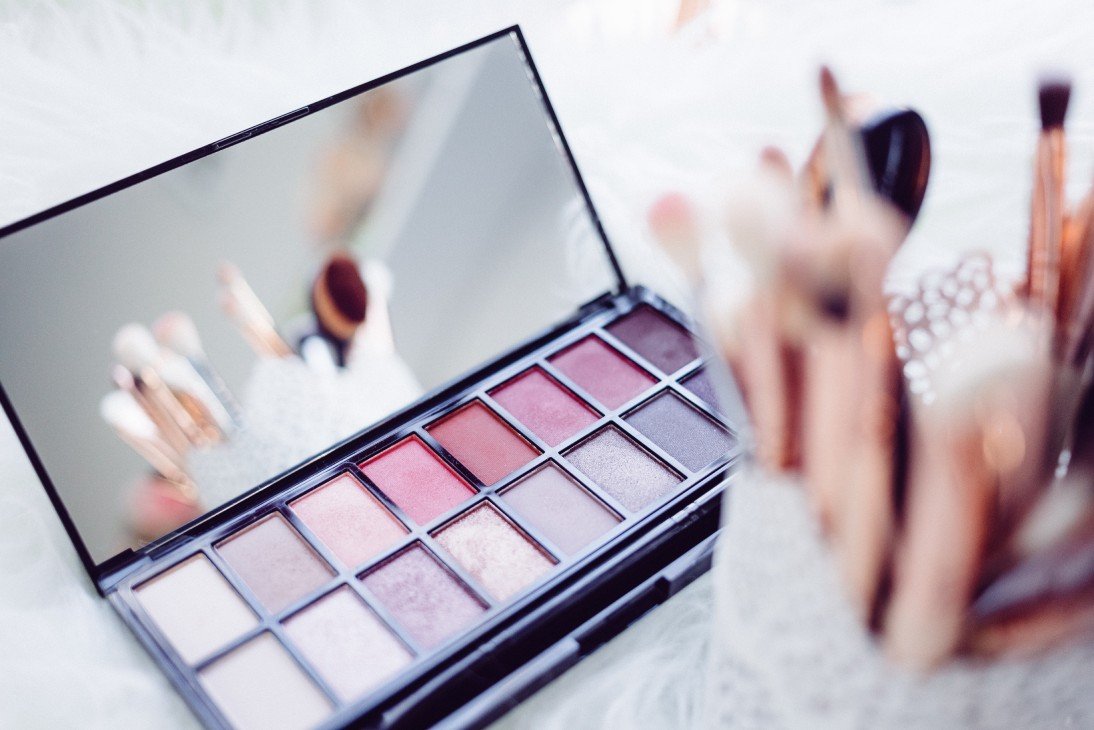
4 Effective Ways To Get Makeup Out Of Clothes
Getting makeup on clothes isn't an uncommon occurrence. Whether it's your powder foundation transferring to the collar of your shirt or the mascara staining the sleeve as you try to fix your hair, we've all been there.
Here are some helpful ways to remove different types of makeup stains from clothes.
How to Remove Foundation from Clothes
Foundations may be oil-based or oil-free and require different cleaning solutions and methods. Here's how to remove oil-free foundation from clothes:
-
Scoop the Excess: Take a spoon or butter knife and use it to scoop the foundation of your garment. Do not rub the stain, or it will become bigger. You can also blot the stain with a clean white cloth or paper towel to remove any extra product.
-
Apply Shaving Cream: Squeeze a small amount of shaving cream to the stain, covering it completely. Rub it in, then let it sit for 10 minutes. Afterward, rinse it off with cool water.
-
Put Rubbing Alcohol: Sometimes, the shaving cream alone doesn't suffice. In such cases, apply shaving cream on the stain again. Then, put 4 drops of rubbing alcohol on the shaving cream and rub the mixture with your finger. Let it sit for a few minutes and rinse off with cold water.
-
Use a Detergent: Pretreat the foundation stain with a heavy-duty laundry detergent. You can use a powder or liquid laundry detergent. After soaking your garment in it for 10 minutes, wash it as usual. Repeat this process as necessary.
For oil-based foundations, start with the same steps from above. Scoop the foundation and blot the area with a paper towel. Then, do the following:
-
Apply Dish Soap: Put a few drops of cool water on the stain to wet it. Then, squirt some dish soap onto the stain and rub it in. Let it sit for 10-15 minutes, then rinse off with cold water.
-
Pretreat: Pretreat the stain with a heavy-duty laundry detergent and let it sit for 10 minutes before washing as usual.
If you get powder foundation (more on powder below) on your clothes, do not rub, wipe, or dab the stain. Instead, blow it with your mouth or a blow dryer. Then, wet the stain a little and pour a few drops of dish soap on it. Rub the stained area gently with your fingers and rinse off the dish soap with cold water.
Pro Tip: Do not use any of these tips for clothes that say ''Dry Clean Only.'' Take these clothes to a professional cleaner.
How to Remove Lipstick from Clothes
Lipstick stains are among the most common and frustrating makeup stains. Luckily, we have a simple solution to remove these stains without damaging your clothes. Follow these steps for lipstick stain removal:
-
Remove Excess: Remove the extra lipstick from the stain using a spoon or dull knife.
-
Pretreat the Stain: Use a dry solvent to pretreat the stain. You can either use acetone or a mineral spirit. Put a few drops of this solvent on the stain and use a soft-bristled brush to rub it in.
-
Flush the Stain: Flush the stained area with isopropyl alcohol. It will remove the lipstick's color, too. If one flushing isn't enough, repeat this step.
-
Apply Dish Soap: Make a mixture of 10 ounces of water and a tablespoon of dish soap. Put this mixture in a spray bottle and spray it on the lipstick stain. Let it sit for 10-15 minutes.
-
Wash: Finally, wash the clothes as usual according to the fabric care instructions. You can also pretreat the lipstick stain with an enzyme detergent for better results.
How to Remove Mascara from Clothes
Waterproof mascara is generally harder to remove than regular mascara because of its staying power. However, you can still remove it from your clothes by following these simple steps:
-
Dissolve the Mascara: Take a makeup wipe and dab it on the mascara stain. It will loosen up the mascara, making it easier to remove.
-
Wipe the Other Side: Put a paper towel or clean cloth on a flat surface. Place your stained garment face down on the towel and dab the back of the stain with a makeup wipe to push the mascara through the fabric onto the towel.
-
Use Laundry Detergent: When you can't get any more mascara off, use a small amount of laundry detergent and rub it into the stain with your fingers. Let it sit for a few minutes before washing.
If you're dealing with a white cloth, you can also use bleach to remove makeup stains.
How to Remove Powder Makeup From Clothes
Be it setting powder or powder blush, these makeup products can easily leave stains on your clothes. Here's how to remove them:
-
Shake the Loose Powder Off: Start by shaking off as much powder from the stain as you can.
-
Pretreat: Use a mixture of dish soap or mild detergent and water to pretreat the stain.
-
Launder According to the Care Instructions: Follow the instructions on the care label of your garment to wash it properly. If the stain persists, repeat the process or try using a stain remover for stubborn stains.

How to Remove Makeup Stains From Carpets
Your clothes are not the only victims of makeup stains. Carpets can also fall prey to our makeup mishaps. The same goes for upholstery and other fabrics.
Here's the good news: the same methods that work for clothes often work for carpets, too.
Blotting with a Clean Cloth
Before you go on to make any cleaning potions, you should blot the stain. Try to gently remove as much of the makeup as you can without spreading it around.
Using White Vinegar Solution
Vinegar works for pretty much any type of stain, including those caused by your eye makeup or foundation.
You will need:
-
One tablespoon of white vinegar
-
Two cups of cold water
Mix the two ingredients in a spray bottle and spray the solution on the stain. Wait for a few seconds before washing the garment as usual.
Using a Dishwashing Liquid Solution
Make a solution of warm water and a few drops of dishwashing liquid. It's the perfect makeup stain remover for carpets and clothes.
Using Rubbing Alcohol
Rubbing alcohol works so well on stains because it breaks down the oils in makeup products. Don't go overboard with it, though. Only use a few drops at a time, and always test on an inconspicuous area first.
Additional Makeup-Removing Tips
If you're a habitual makeup stainer, here are a few tips to keep your clothes stain-free:
-
Act Quickly: If you let the stains set, the removal process instantly gets harder. So, don't wait for this to happen. Instead, act as quickly as possible. If you can't treat the stain right away, at least blot it with a damp cloth until you can wash it.
-
Pretreat Cuffs and Collars: Since collars are in close vicinity of the face, they're more susceptible to makeup stains, such as blush and foundation. Pretreat these stains with a stain remover or dish soap mixture before washing them.
-
Use Baby Wipes: If you're out and about, keep baby wipes in your bag. Use them for accidental makeup smudges on your clothes.
-
Use Micellar Water: We bet you thought micellar water only removes the makeup on your face. But it can do wonders for your clothes, too. Just pour some on a cotton ball and dab it on the stain for quick stain removal. Similarly, you can use a liquid eye makeup remover for smaller stains.
-
Blot, Don't Rub: Keep this rule in mind for all types of stains, not just makeup. Rubbing only sets the stain deeper; you don't want that. Instead, blot the stain gently.
Makeup-Free Garments With Rinse
Doing regular laundry is already tedious enough. Doing it twice to remove makeup stains is truly frustrating. Thankfully, Rinse comes to the rescue with its professional laundry service.
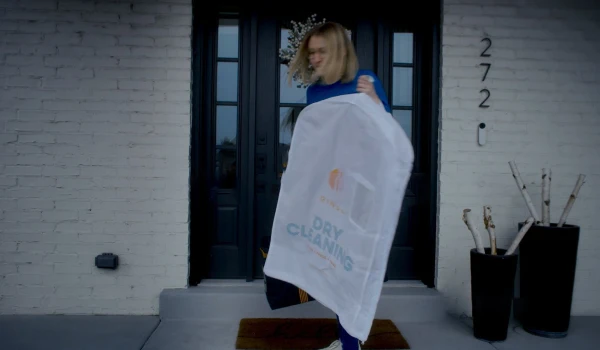
You just have to put your dirty laundry in a bag, and we'll pick it up from your place. We then use appropriate cleaning methods and solutions to restore your garments to their pristine condition.
Whether it's a delicate silk blouse or a cotton t-shirt, we know how every fabric has to be cleaned. We also offer dry cleaning services for fabrics you cannot put through a washer. So, if you've got a foundation stain on your prized blazer or a wine spill on your graduation dress, we can tackle those, too.
Scheduling a pickup is quite easy. You can do it through a quick text or get in touch with us through our website or app. We also offer Next-Day Rush options for urgent stains that need immediate attention.
Contact us at Rinse today to see our skill in action.